Best Natural Home Remedies for Sagging Skin
Introduction
As we age, one of the most common concerns people notice is sagging skin. It can appear on the face, neck, arms, or stomach, and while it’s a completely natural part of the aging process, it often makes people feel less confident in their appearance. The good news? You don’t always need expensive treatments or surgeries to improve skin firmness. With the right home remedies, lifestyle habits, and preventive care, you can slow down sagging, keep your skin healthier, and even restore some of its natural tightness.
In this article, we’ll explore the best natural home remedies for sagging skin, understand its causes, and share both preventive and treatment options—all explained in simple, science-backed language.
What is Sagging Skin?
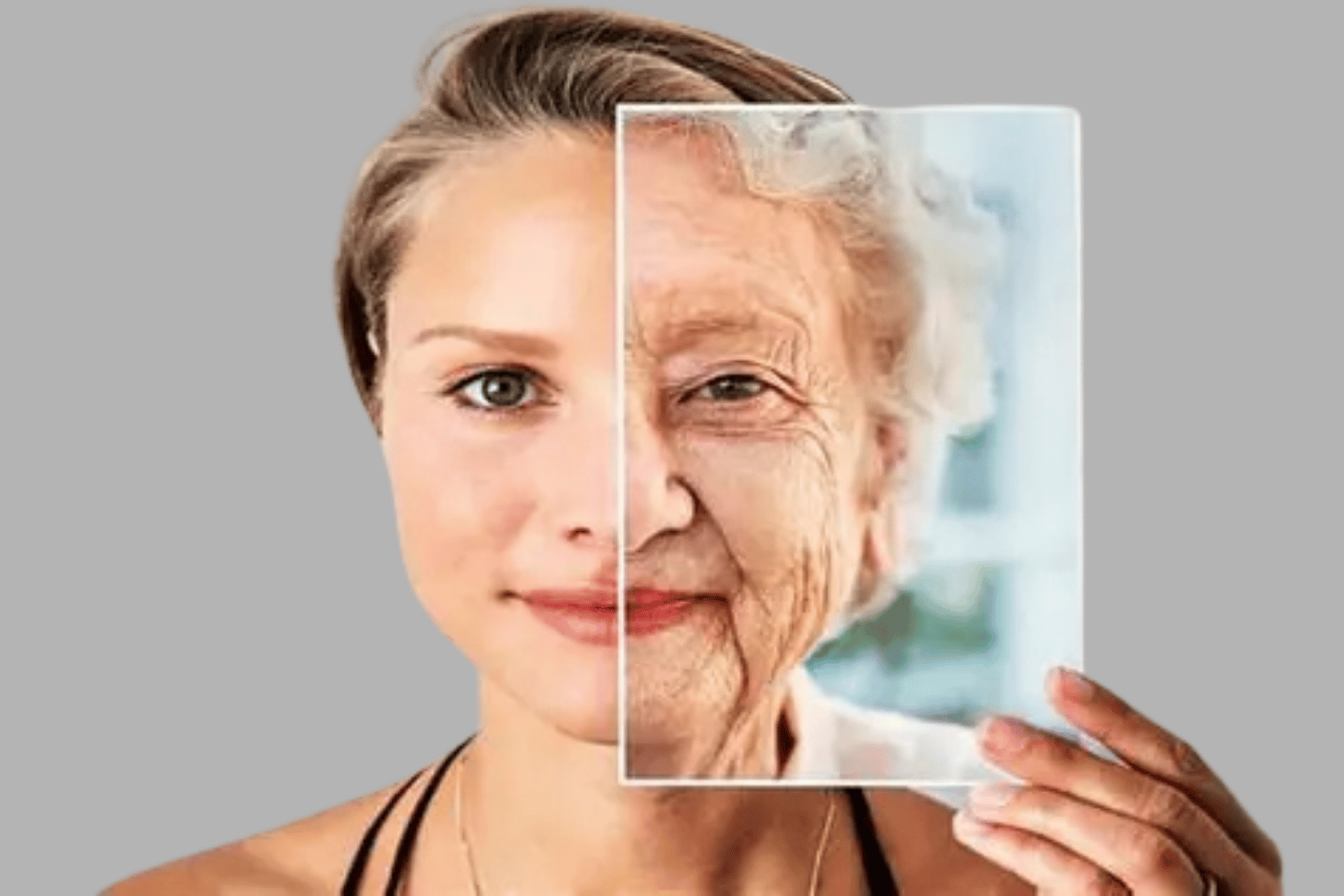
Sagging skin happens when the skin loses its elasticity and firmness. Our skin is naturally supported by proteins like collagen and elastin, which keep it smooth, plump, and tight. Over time, these proteins break down due to aging, sun exposure, lifestyle factors, and other causes. As a result, the skin starts to appear loose, wrinkled, or droopy.
Sagging skin can occur:
- On the face (jawline, cheeks, eyelids)
- Around the neck (often called “turkey neck”)
- On the arms (especially upper arms)
- Around the abdomen (post-pregnancy or weight loss)
While sagging skin is often associated with aging, it can affect younger people too, especially after sudden weight loss.
Causes and Risk Factors of Sagging Skin
Understanding why sagging happens is the first step to preventing or treating it. Here are the most common causes:
- Natural Aging – With age, collagen and elastin production decreases, leading to thinner, weaker skin.
- Sun Exposure – UV rays damage skin cells, break down collagen, and speed up skin aging.
- Sudden Weight Loss – Rapid fat loss leaves behind loose skin that the body can’t adapt to quickly.
- Lifestyle Factors – Smoking, poor diet, dehydration, and lack of sleep accelerate skin aging.
- Genetics – Some people are naturally more prone to sagging skin.
- Hormonal Changes – Especially in women during menopause, reduced estrogen affects skin elasticity.
- Environmental Pollution – Free radicals in the air damage skin structure over time.
Symptoms & Signs of Sagging Skin
You may notice sagging skin if you experience:
- Wrinkles and fine lines
- Drooping eyelids or cheeks
- Loose skin around the jawline (jowls)
- Crepey texture on arms or stomach
- Folds around the neck or chest
- Skin that feels thinner and less firm
Prevention & Healthy Habits
While aging is unavoidable, you can adopt habits that slow down sagging:
- Protect from the Sun: Always wear sunscreen (SPF 30+), hats, and sunglasses.
- Eat a Collagen-Friendly Diet: Include protein-rich foods, vitamin C (citrus, berries), and omega-3s (fish, walnuts).
- Stay Hydrated: Drinking enough water keeps skin cells plump.
- Exercise Regularly: Improves blood circulation and skin tone. Strength training also helps reduce sagging after weight loss.
- Quit Smoking & Limit Alcohol: Both damage skin elasticity.
- Get Adequate Sleep: Your body repairs collagen while you sleep.
- Practice Gentle Skincare: Avoid harsh soaps; use moisturizers with hyaluronic acid or retinol.
Best Natural Home Remedies for Sagging Skin
Here are some science-backed home remedies that can help tighten and rejuvenate sagging skin:
1. Aloe Vera Gel
- Rich in malic acid, which improves elasticity.
- Apply fresh aloe vera gel on the skin, leave for 20 minutes, then rinse.
- Use 3–4 times per week.
2. Egg White Mask
- High in protein, helps firm and tone skin.
- Mix one egg white with a few drops of lemon juice.
- Apply as a mask, let it dry, and rinse with lukewarm water.
3. Coconut Oil Massage
- Contains antioxidants and hydrates deeply.
- Warm 1–2 teaspoons and massage gently before bed.
- Promotes blood circulation and skin tightening.
4. Honey & Olive Oil Pack
- Honey is a natural humectant; olive oil provides vitamin E.
- Mix 1 tbsp honey with 1 tsp olive oil and lemon juice.
- Apply as a mask 2–3 times a week.
5. Cucumber Juice
- Has a cooling, firming effect on skin.
- Blend cucumber, extract the juice, and apply to the face for 15 minutes.
6. Yogurt & Banana Mask
- Yogurt contains lactic acid, banana is rich in potassium.
- Mash half a banana with 2 tbsp yogurt.
- Apply to the skin, leave for 20 minutes, and rinse.
7. Regular Face Exercises
- Cheek lifts, jawline toning, and neck stretches can strengthen muscles under the skin, reducing sagging appearance.
Medical and Advanced Treatment Options
Sometimes home remedies aren’t enough, especially for severe sagging. In that case, dermatologists may recommend:
- Topical Retinoids (stimulate collagen production)
- Chemical Peels (remove dead skin, improve elasticity)
- Laser Treatments (tighten skin and boost collagen)
- Radiofrequency Therapy (non-invasive skin tightening)
- Dermal Fillers (add volume to sagging areas)
- Surgery (Facelift or Tummy Tuck) – for advanced cases
When to See a Doctor
See a dermatologist if:
- Sagging skin is sudden and unexplained.
- You notice skin changes along with other symptoms (e.g., rapid weight loss, fatigue, hormonal issues).
- Home remedies don’t improve the condition and it affects your self-confidence.
- You want to explore advanced, safe medical treatments.
Conclusion
Sagging skin is a natural part of life, but it doesn’t mean you can’t do anything about it. With the right combination of healthy lifestyle habits, natural remedies, and professional care when needed, you can keep your skin looking youthful and firm for much longer. Remember, prevention is just as important as treatment—so start caring for your skin today!