Warning Signs of Poor Mental Health: How to Recognize and Respond
Introduction
Have you ever felt like something is “off” with your mood, energy, or ability to cope with daily life? While occasional stress or sadness is normal, ongoing struggles can signal a deeper issue with your mental health. Just like physical health, mental health requires attention and care. Recognizing the early warning signs of poor mental health can make a huge difference — leading to faster recovery, better support, and healthier coping strategies.
In today’s fast-paced world, stress, anxiety, and depression are becoming increasingly common. According to the World Health Organization (WHO), 1 in 8 people globally live with a mental disorder. That means you, or someone close to you, may experience these challenges at some point. Knowing the red flags of declining mental health can help you take proactive steps toward healing.
What is Poor Mental Health?
Mental health refers to our emotional, psychological, and social well-being. It affects how we think, feel, and behave in daily life. Poor mental health doesn’t necessarily mean having a diagnosed mental illness. Instead, it refers to a state where a person is struggling to manage stress, regulate emotions, or maintain healthy relationships and daily functioning.
Think of mental health as a spectrum. On one end, you may feel balanced, resilient, and capable. On the other, you might experience overwhelming stress, hopelessness, or emotional numbness. Poor mental health can occur temporarily due to life stressors or persistently as part of a condition like depression or anxiety.
Causes and Risk Factors of Poor Mental Health
Poor mental health often results from a complex mix of biological, psychological, and social factors. Understanding these can help reduce stigma and increase empathy.
1. Biological Factors
- Genetics: Family history of mental illness can increase risk.
- Brain chemistry: Imbalances in neurotransmitters like serotonin and dopamine may affect mood regulation.
- Chronic illnesses or injuries: Conditions such as diabetes, thyroid disorders, or traumatic brain injuries can impact mental well-being.
2. Psychological Factors
- Trauma: Childhood abuse, neglect, or adult experiences of violence.
- Personality traits: Perfectionism, low self-esteem, or high sensitivity can increase vulnerability.
- Coping skills: Lack of healthy stress management tools.
3. Social & Environmental Factors
- Stressful life events: Divorce, job loss, financial struggles.
- Isolation: Lack of strong social support.
- Cultural and societal pressures: Discrimination, stigma, or workplace stress.
Common Symptoms and Warning Signs of Poor Mental Health
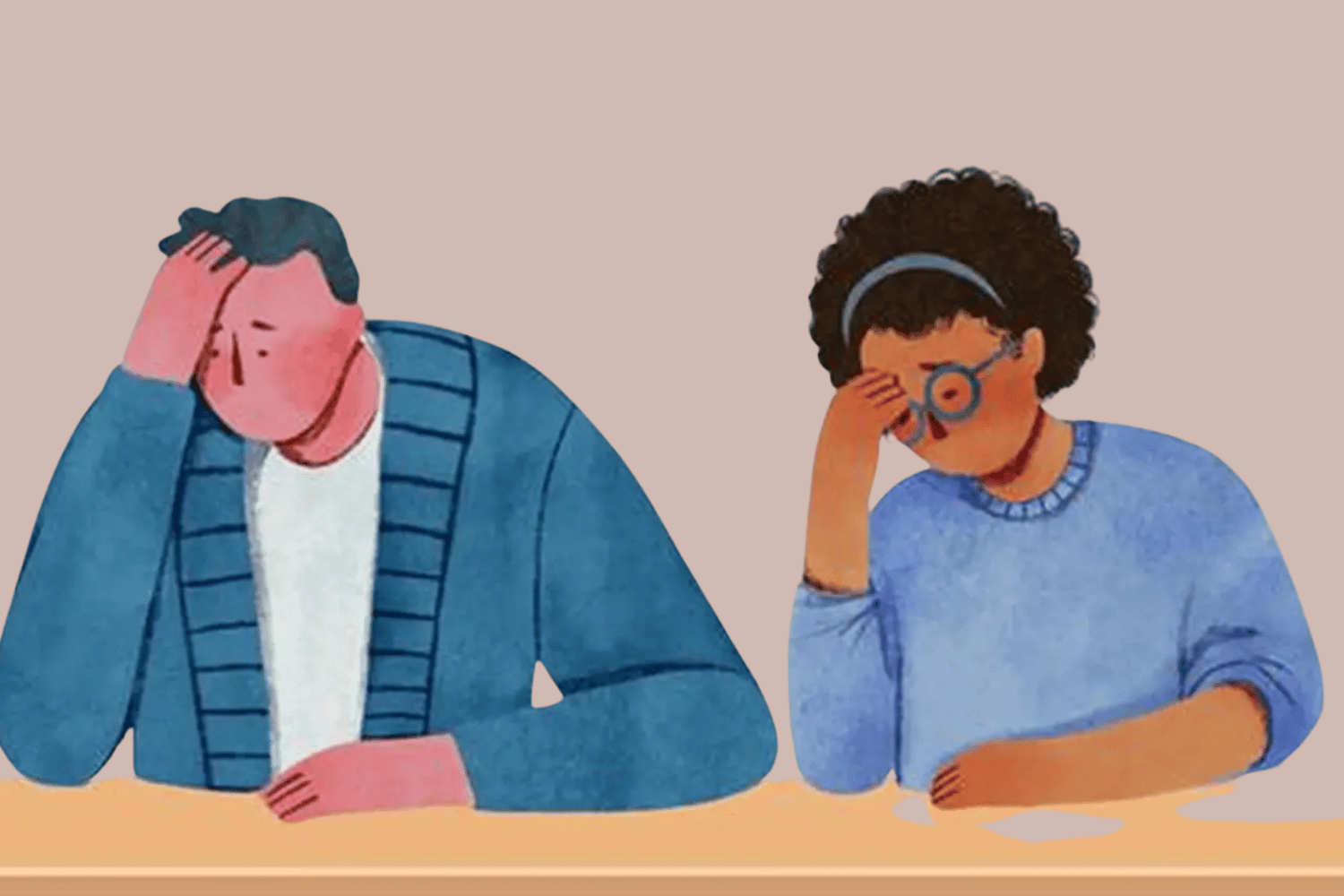
Poor mental health shows up in different ways for different people. Recognizing these signs early can help you or someone you care about seek support.
Emotional Signs
- Persistent sadness or hopelessness
- Extreme mood swings
- Feeling easily overwhelmed
- Irritability or frequent anger
Behavioral Signs
- Withdrawal from friends, family, or activities once enjoyed
- Decline in performance at work or school
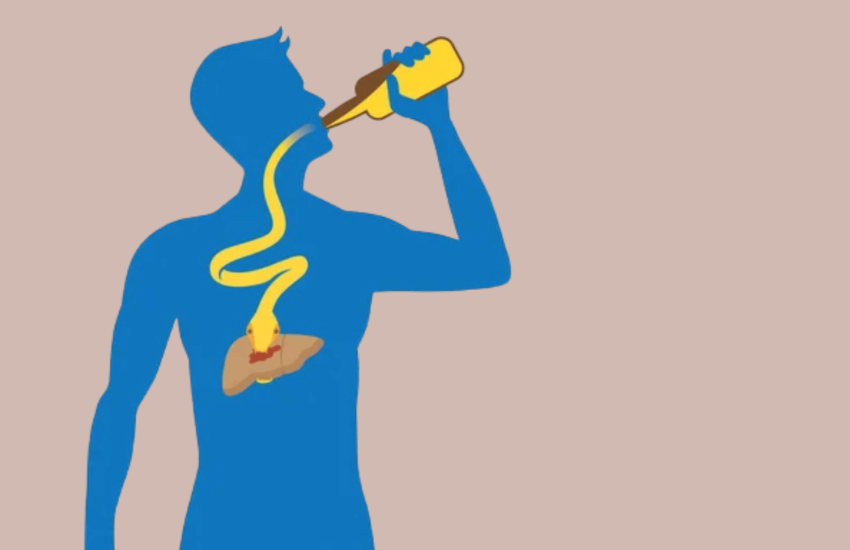
- Increased use of alcohol, drugs, or food for comfort
- Neglecting personal hygiene and responsibilities
Cognitive Signs
- Trouble concentrating or making decisions
- Constant negative thinking
- Racing thoughts or inability to “shut off” the mind
- Memory difficulties
Physical Signs
- Changes in sleep patterns (insomnia or oversleeping)
- Unexplained aches and pains
- Fatigue and low energy
- Appetite or weight changes
Prevention and Healthy Habits for Stronger Mental Health
While you can’t always prevent mental health challenges, adopting healthy habits can build resilience and reduce risks.
- Prioritize Sleep – Aim for 7–9 hours per night. Quality sleep restores both mind and body.
- Exercise Regularly – Even a 30-minute walk can reduce stress hormones and boost mood.
- Balanced Diet – Omega-3 fatty acids, fruits, vegetables, and whole grains support brain health.
- Practice Mindfulness – Meditation, journaling, or deep-breathing exercises calm the nervous system.
- Stay Connected – Nurture friendships and family relationships. Human connection is a protective factor.
- Limit Screen Time & News Overload – Too much exposure to negative news or social comparison can fuel anxiety.
- Seek Joyful Activities – Hobbies, creativity, and time in nature all boost well-being.
Treatment Options for Poor Mental Health
If poor mental health persists, professional treatment may be necessary. The good news is that effective help is available.
Medical Approaches
- Therapy (Psychotherapy): Cognitive Behavioral Therapy (CBT), talk therapy, or trauma-focused therapy help reframe negative thought patterns.
- Medication: Antidepressants, anti-anxiety drugs, or mood stabilizers may be prescribed when needed.
- Hospital or Outpatient Programs: For severe cases where safety or daily functioning is at risk.
Natural and Lifestyle Approaches
- Exercise Therapy: Regular physical activity can reduce symptoms of anxiety and depression.
- Nutrition Therapy: Working with a dietitian to improve brain health through diet.
- Alternative Therapies: Yoga, acupuncture, or aromatherapy may complement traditional treatment.
- Support Groups: Sharing experiences with others who understand.
When to See a Doctor
It’s time to seek professional help if:
- Symptoms last more than two weeks.
- Mental health struggles interfere with work, school, or relationships.
- You experience thoughts of self-harm or suicide.
- Coping strategies (exercise, talking with friends, self-care) are no longer effective.
👉 If you or someone you know is in immediate danger, call emergency services or a local mental health crisis hotline.
Conclusion
Mental health is just as important as physical health — yet it’s often overlooked. Recognizing the warning signs of poor mental health is the first step to breaking the stigma and getting the help needed. Whether through prevention, lifestyle changes, or professional care, improvement is always possible.
Remember: seeking help is not a sign of weakness, but of strength. The sooner you act, the sooner you can return to a healthier, more fulfilling life.