No Moons on Your Fingernails? Here’s What It Could Say About Your Health
Introduction
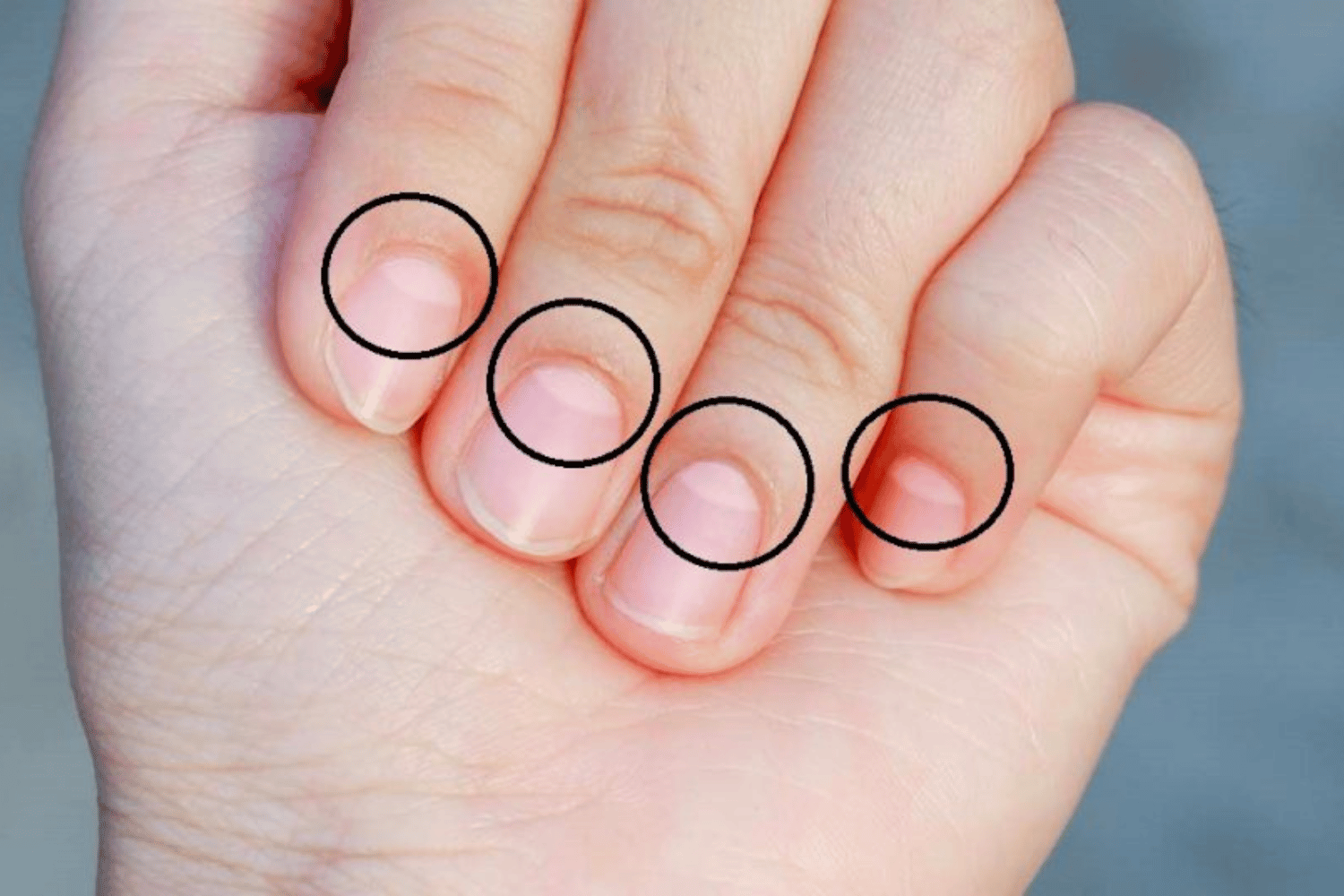
Have you ever looked at your fingernails and noticed that the little white half-moon at the base—called the lunula—is missing? While most people have visible moons on at least a few nails, others may not see them at all.
This tiny detail can actually say a lot about your overall health and body’s internal balance.
Your nails aren’t just for aesthetics—they can act like a mirror, reflecting what’s happening inside your body. Missing or fading moons don’t always mean something is wrong, but in some cases, they can signal nutritional deficiencies, metabolic issues, or even circulatory problems.
Let’s take a closer look at what “no moons” might really mean, what causes it, and when you should pay attention.
What Does It Mean to Have No Moons on Your Fingernails?
The white crescent-shaped area at the base of your nail is known as the lunula, which means “little moon” in Latin. It’s actually part of the nail matrix—the area responsible for producing new nail cells.
The lunula appears white because it sits above a layer of thickened tissue that hides the blood vessels underneath.
In healthy individuals:
- The lunula is most visible on the thumbs and may gradually fade on the smaller fingers.
- It’s usually pale whitish in color, contrasting slightly with the rest of the nail.
When the lunula becomes small, barely visible, or completely absent, it may be due to:
- Genetic differences (some people naturally have smaller lunulae)
- Reduced nail growth activity
- Health conditions affecting blood flow or metabolism
So, not seeing moons isn’t always bad—but sometimes it’s a subtle health clue worth noticing.
Possible Causes and Risk Factors
There are several possible reasons why your lunulae might disappear or become less visible. Below are the most common causes—ranging from harmless to medically significant.
1. Genetic Factors
Some people are simply born with small or invisible lunulae. If your family members also lack visible moons, it’s likely just your genetic makeup.
👉 In this case, there’s no cause for concern.
2. Nutritional Deficiencies
Lack of essential nutrients can affect nail growth and color, making the lunula harder to see.
Common deficiencies include:
- Iron deficiency (anemia) – leads to pale nails and fatigue.
- Vitamin B12 deficiency – slows cell regeneration.
- Protein deficiency – weakens the nail matrix.
- Zinc deficiency – affects nail growth and immunity.
3. Thyroid Disorders
Both hypothyroidism and hyperthyroidism can cause changes in nail growth patterns.
In particular:
- Hypothyroidism may cause slowed nail growth and faded lunulae.
- Hyperthyroidism may make nails thin and brittle.
4. Circulatory or Cardiovascular Issues
Poor blood flow can limit oxygen and nutrient delivery to the nail matrix, making the lunula less visible.
This might occur in conditions like:
- Low blood pressure
- Peripheral artery disease
- Chronic stress (which constricts blood vessels)
5. Liver or Kidney Disorders
When the body’s detox organs aren’t functioning optimally, waste products can accumulate in the bloodstream, affecting nail coloration and growth.
Faint or missing lunulae sometimes appear in people with liver disease or chronic kidney issues.
6. Overwork and Stress
High physical or emotional stress can suppress the body’s metabolic functions—including nail cell production.
You may notice your lunulae fading during periods of fatigue, illness, or mental strain.
7. Aging
As we age, nail growth naturally slows down, and the lunula becomes less pronounced.
This is a normal part of aging and doesn’t necessarily indicate illness.
Symptoms and Signs to Watch For
If you notice your moons disappearing, pay attention to other associated symptoms that might provide clues about your health.
✅ Watch for:
- Fatigue or low energy
- Pale or brittle nails
- Hair loss or dry skin
- Cold hands and feet
- Rapid or irregular heartbeat
- Shortness of breath
- Unexplained weight changes
If one or more of these symptoms appear along with missing lunulae, it’s a good idea to check with a healthcare professional.
Prevention & Healthy Habits
Even if missing moons are harmless in your case, keeping your nails healthy supports your overall well-being.
Here are practical steps to maintain strong, balanced nails:
1. Eat a Nutrient-Rich Diet
Focus on foods that promote healthy nail growth:
- Lean proteins (chicken, eggs, fish)
- Iron-rich foods (spinach, lentils, red meat)
- Zinc and biotin sources (nuts, seeds, whole grains)
- Vitamin B12 foods (eggs, milk, fortified cereals)
2. Stay Hydrated
Dehydration affects blood circulation and nail texture.
Drink at least 8 glasses of water daily to keep your nails and skin healthy.
3. Manage Stress
Practice mindfulness, deep breathing, or yoga to reduce chronic stress that can affect nail growth.
4. Protect Your Nails
Avoid overexposure to chemicals (detergents, nail polish removers) and use gloves when cleaning or washing dishes.
5. Get Regular Check-Ups
Routine blood tests can detect early signs of anemia, thyroid imbalance, or vitamin deficiencies—common causes of disappearing lunulae.
Treatment Options
The right treatment depends on the underlying cause. Here’s a summary of what you can do:
Medical Approaches
- Treat underlying deficiencies: Your doctor may prescribe iron, vitamin B12, or multivitamins.
- Address thyroid issues: Medication can help restore hormonal balance.
- Improve circulation: Regular exercise and hydration can enhance blood flow to the nail matrix.
Natural and Home Remedies
- Eat balanced meals rich in vitamins and minerals.
- Massage your nails with natural oils (like olive or coconut oil) to boost local circulation.
- Avoid harsh nail products that weaken the nail plate.
With consistent care and a healthy lifestyle, nail moons often return gradually as the body restores balance.
When to See a Doctor
You should consider medical evaluation if you notice:
- All moons suddenly disappear
- Nails become very pale, blue, or ridged
- Persistent fatigue or dizziness
- Cold extremities or changes in heart rate
- Signs of anemia or nutrient deficiency
A simple blood test can identify whether your missing lunulae are a cosmetic variation or a sign of something deeper.
Conclusion
Missing moons on your nails aren’t always a reason to panic—but they shouldn’t be ignored either.
Your nails are tiny health indicators that reflect what’s happening inside your body.
If you’ve always had small lunulae, it’s probably just your genetics. But if they’ve disappeared over time, take it as a gentle reminder to check your nutrition, stress levels, and overall health.
Remember: your body often whispers before it screams. Paying attention to these small signs can help you catch health imbalances early and stay on top of your well-being.