12 Heart-Healthy Foods to Help Lower Blood Pressure
Introduction
High blood pressure, also known as hypertension, is often called the “silent killer” because it develops slowly and usually without noticeable symptoms—yet it can lead to serious health problems like heart disease, kidney failure, and stroke. According to the World Health Organization (WHO), an estimated 1.28 billion adults worldwide have hypertension, and nearly half don’t even know they have it.
The good news? Simple lifestyle changes—especially adopting a heart-healthy diet—can make a powerful difference. Certain foods are naturally rich in nutrients like potassium, magnesium, and antioxidants that help relax blood vessels, improve circulation, and reduce blood pressure levels.
In this article, we’ll explore 12 scientifically backed foods that can support heart health and lower blood pressure, along with tips for prevention, treatment, and when to seek medical advice.
What Are Heart-Healthy Foods That Lower Blood Pressure?
Heart-healthy foods are those rich in nutrients that protect cardiovascular health and help manage blood pressure. They often contain:
- Potassium – balances sodium and relaxes blood vessels.
- Magnesium – supports muscle and nerve function, including the heart.
- Fiber – lowers cholesterol and supports healthy circulation.
- Antioxidants – reduce inflammation and protect against artery damage.
A diet rich in these nutrients—like the DASH diet (Dietary Approaches to Stop Hypertension)—has been proven to significantly lower blood pressure.
Causes and Risk Factors of High Blood Pressure
Understanding why blood pressure rises is key to prevention. Major risk factors include:
- High sodium intake (too much salt in food).
- Low potassium diet (not enough fruits/vegetables).
- Lack of physical activity.
- Excess body weight or obesity.
- Smoking and excessive alcohol intake.
- Chronic stress.
- Family history or genetics.
- Medical conditions like diabetes or kidney disease.
Symptoms and Signs of High Blood Pressure
Most people don’t feel symptoms until hypertension becomes severe. Possible signs include:
- Frequent headaches
- Dizziness or blurred vision
- Chest pain or palpitations
- Shortness of breath
- Fatigue
- Nosebleeds (in rare cases)
⚠️ Important: Many people with high blood pressure experience no symptoms at all, which is why regular checkups are essential.
12 Heart-Healthy Foods That Lower Blood Pressure
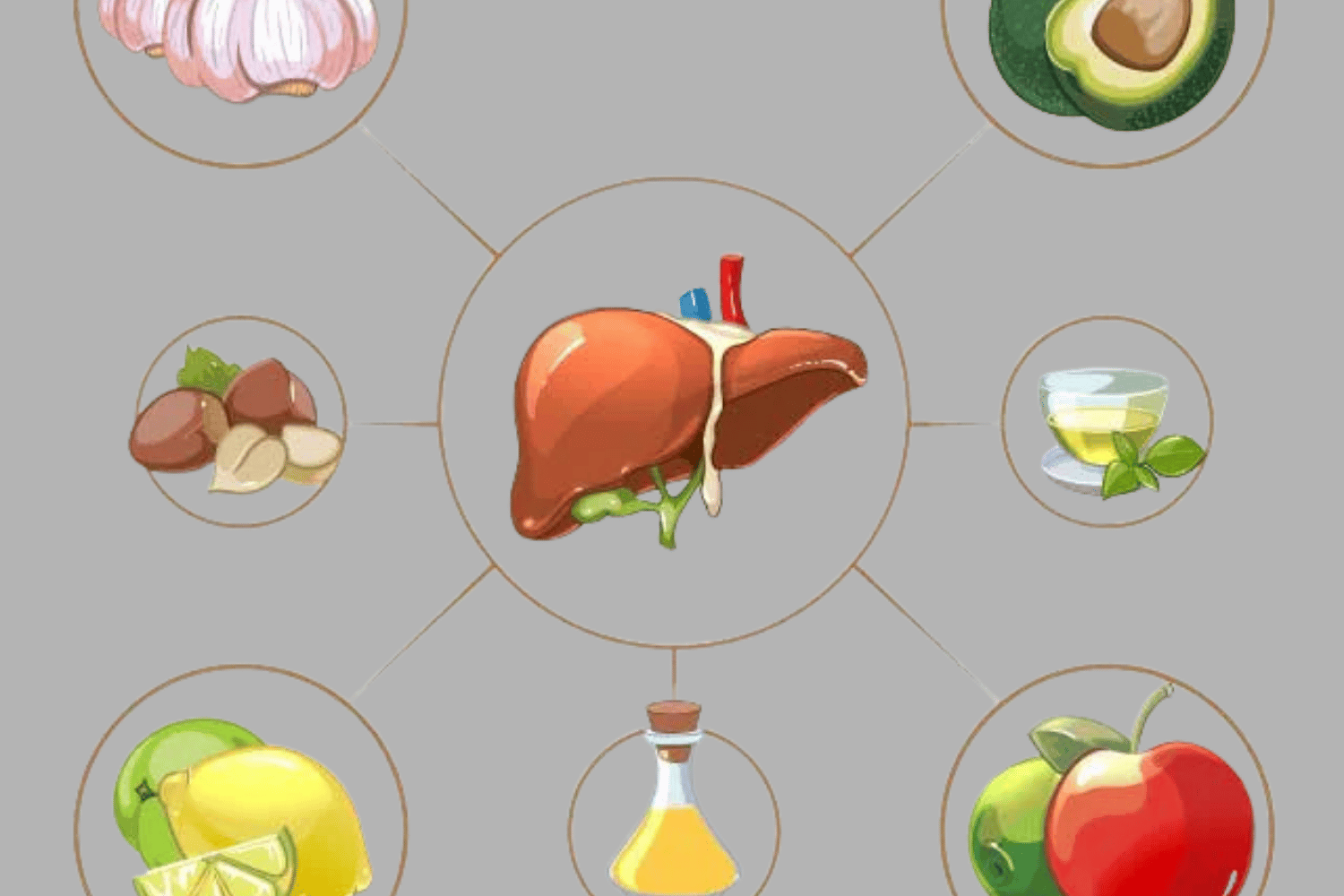
Here’s a list of foods that can naturally reduce blood pressure and protect your heart:
1. Leafy Green Vegetables
Spinach, kale, and Swiss chard are packed with potassium and magnesium, which help balance sodium and relax blood vessels.
👉 Try adding spinach to smoothies or kale to salads.
2. Berries
Blueberries, strawberries, and raspberries are rich in flavonoids and antioxidants, shown to improve artery flexibility and lower blood pressure.
3. Beets
Beets contain nitrates, which convert into nitric oxide—a compound that widens blood vessels and improves circulation.
4. Bananas
A quick, portable snack full of potassium, bananas are ideal for reducing sodium’s impact on blood pressure.
5. Oats
High in beta-glucan fiber, oats improve cholesterol levels and support healthy arteries. A warm bowl of oatmeal makes a heart-friendly breakfast.
6. Fatty Fish
Salmon, mackerel, and sardines provide omega-3 fatty acids, which reduce inflammation and help lower blood pressure.
7. Garlic
Garlic contains allicin, a compound known to improve blood vessel relaxation and reduce hypertension.
8. Beans and Lentils
Rich in fiber, potassium, and magnesium, legumes are excellent for blood pressure control and heart health.
9. Nuts and Seeds
Almonds, walnuts, flaxseeds, and chia seeds are great sources of healthy fats, fiber, and magnesium.
10. Dark Chocolate (in moderation)
Cocoa is rich in flavonoids that improve vascular health. Choose at least 70% dark chocolate for maximum benefits.
11. Olive Oil
A staple of the Mediterranean diet, olive oil is full of healthy monounsaturated fats and antioxidants that support blood vessel function.
12. Low-Fat Yogurt
Provides calcium and probiotics, both of which contribute to lower blood pressure and improved gut health.
💡 Tip: Incorporating these foods daily, even in small amounts, can gradually improve cardiovascular health.
Prevention & Healthy Habits
Alongside a nutrient-rich diet, lifestyle changes play a big role in controlling blood pressure:
- Reduce salt intake – Aim for less than 2,300 mg of sodium daily.
- Stay active – At least 30 minutes of exercise most days of the week.
- Maintain a healthy weight – Even small reductions can lower blood pressure.
- Limit alcohol and quit smoking.
- Manage stress with meditation, yoga, or breathing exercises.
- Regular monitoring – Keep track of your blood pressure at home or with your doctor.
Treatment Options
Medical Approaches
- Prescription medications – ACE inhibitors, beta-blockers, diuretics, etc.
- Regular checkups – To monitor progress and adjust treatment.
Natural Approaches
- DASH diet or Mediterranean diet.
- Potassium-rich foods to counteract sodium.
- Lifestyle changes (exercise, stress management).
- Supplements (only under doctor supervision).
When to See a Doctor
Seek medical attention if you experience:
- Consistently high readings (above 140/90 mmHg).
- Chest pain, shortness of breath, or dizziness.
- Severe headaches or blurred vision.
- Family history of hypertension or cardiovascular disease.
Conclusion
High blood pressure doesn’t have to control your life. By making smarter food choices—like eating leafy greens, berries, and whole grains—you can lower your blood pressure naturally and protect your heart for the long run. Combine these foods with regular exercise, stress management, and medical guidance, and you’ll have a powerful recipe for long-term cardiovascular health.
Remember: small, consistent changes make the big