How to Use Vaseline to Get Rid of Unwanted Hair Easily
Introduction
Unwanted hair is a common concern for many people, affecting confidence and daily comfort. From facial hair to body hair, managing it can be time-consuming and sometimes painful. While professional treatments like waxing, laser hair removal, and depilatory creams exist, many prefer simple, natural, and affordable solutions.
One surprising yet effective method gaining attention is using Vaseline for hair removal. Beyond being a moisturizer, Vaseline can help soften skin, protect against irritation, and may even aid in reducing hair growth over time when combined with other natural ingredients. In this guide, we’ll explore everything you need to know about using Vaseline to get rid of unwanted hair safely and effectively.
What is the Vaseline Hair Removal Trick?
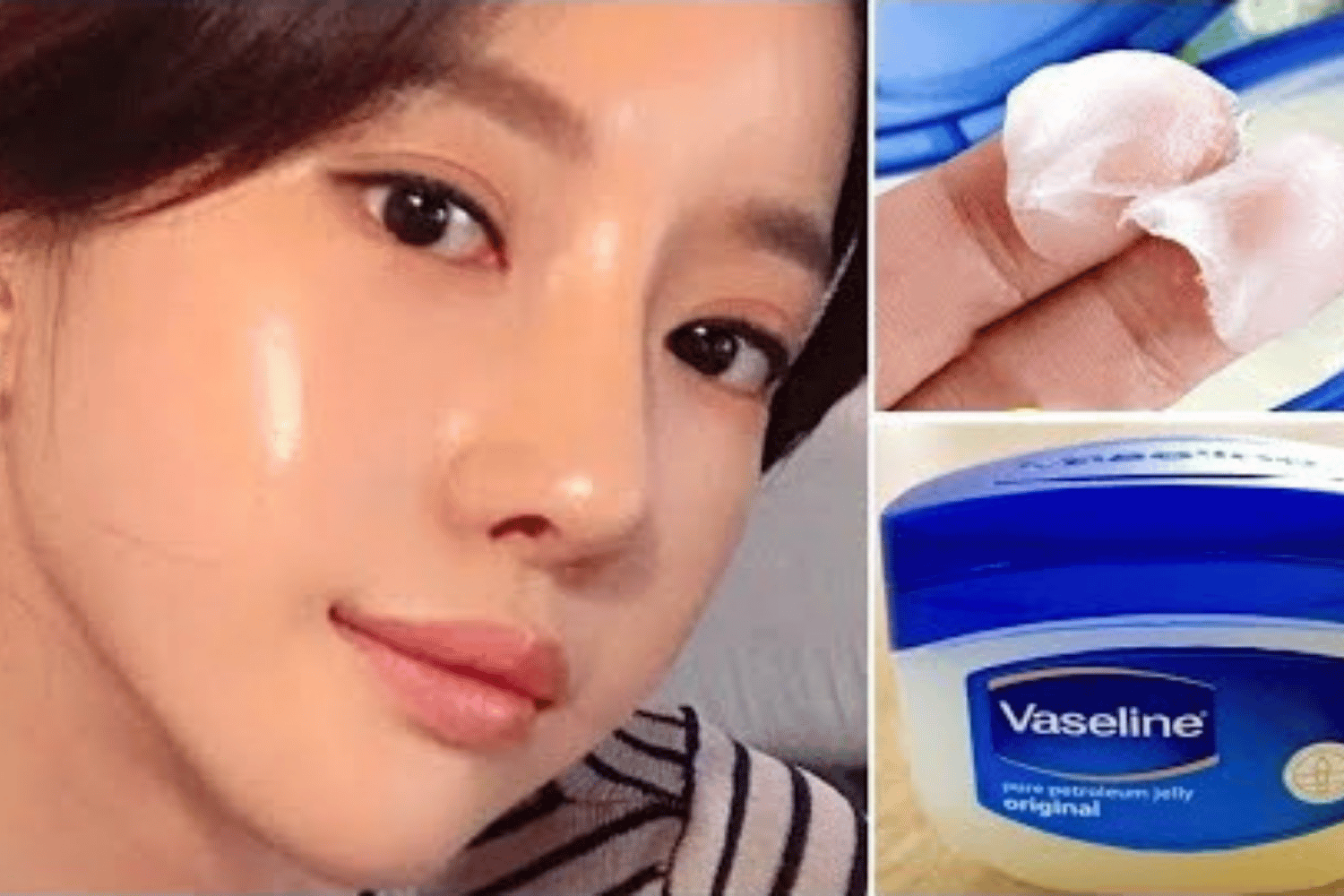
Vaseline, also known as petroleum jelly, is a semi-solid mixture of hydrocarbons that has been widely used for decades in skincare. It creates a protective barrier on the skin, locking in moisture and preventing irritation.
When it comes to hair removal, Vaseline alone does not remove hair. However, it can be a crucial component in natural hair removal methods:
- Softening the skin and hair, making hair easier to remove.
- Reducing friction and irritation during mechanical hair removal methods like sugaring, waxing, or using a razor.
- Enhancing exfoliation, which can help prevent ingrown hairs.
- Boosting the effects of natural hair-removal pastes made with sugar, lemon, or turmeric.
Essentially, Vaseline acts as a protective and conditioning agent to make hair removal gentler and more effective.
Causes / Risk Factors for Unwanted Hair
Unwanted hair can develop due to multiple factors, including:
- Hormonal changes: Androgens, testosterone, and other hormones can trigger excessive hair growth.
- Genetics: Family history plays a significant role in hair density and growth patterns.
- Medical conditions: Conditions like polycystic ovary syndrome (PCOS) can cause hirsutism (excessive hair growth).
- Medications: Some drugs, such as steroids or hormonal treatments, may increase hair growth.
- Age and stress: Aging and high stress levels can affect hormone balance, sometimes leading to increased hair growth.
Understanding these factors is crucial for managing unwanted hair effectively and safely.
Symptoms & Signs of Excess or Unwanted Hair
Signs of unwanted hair are usually easy to identify:
- Noticeable hair growth in areas usually less hairy, such as the face, chest, or back.
- Coarse or dark hair appearing in previously fine-haired areas.
- Hair growth affecting confidence or daily comfort.
- Skin irritation or ingrown hairs after hair removal attempts.
Prevention & Healthy Habits
While genetics and hormones largely determine hair growth, certain lifestyle habits can minimize unwanted hair or improve hair removal outcomes:
- Maintain a healthy weight: Excess weight can affect hormone levels.
- Balanced diet: Foods rich in vitamins A, E, and zinc can support healthy skin and hair growth regulation.
- Hydration: Well-hydrated skin responds better to hair removal techniques.
- Regular exfoliation: Helps prevent ingrown hairs and keeps skin smooth.
- Stress management: Yoga, meditation, or hobbies can reduce stress-related hormone imbalances.
Treatment Options
1. Natural Methods with Vaseline
- Vaseline + Sugar Paste (Sugaring)
- Mix sugar, lemon juice, and water to form a paste.
- Apply Vaseline on the surrounding skin to reduce irritation.
- Spread the sugar paste over unwanted hair, press a cloth strip, and pull off in the direction of hair growth.
- Vaseline soothes the skin after removal.
- Vaseline + Turmeric Paste
- Mix turmeric powder with Vaseline or coconut oil to create a thick paste.
- Apply to the hair-prone areas.
- Leave for 15–20 minutes and wipe off gently.
- Over time, turmeric may weaken hair roots and reduce regrowth.
- Vaseline Before Shaving
- Apply a thin layer of Vaseline to areas to shave.
- This reduces razor burn, irritation, and helps the blade glide smoothly.
2. Over-the-Counter Products
- Depilatory creams: Safe for most skin types but may cause irritation if not tested.
- Wax strips or home waxing kits: Vaseline can be applied afterward to reduce redness.
3. Medical Approaches
- Laser hair removal: Permanent solution for thick or stubborn hair.
- Electrolysis: Individual hair follicles are destroyed using electric current.
- Prescription creams: Eflornithine cream slows facial hair growth in women.
When to See a Doctor
Consult a healthcare professional if:
- You notice sudden or excessive hair growth.
- Hair growth is accompanied by other hormonal symptoms, like irregular periods or severe acne.
- Home hair removal methods cause persistent irritation or infection.
- You are considering permanent hair removal and want advice on safe options.
Conclusion
Vaseline is a versatile ally in your hair removal routine. While it doesn’t remove hair by itself, it protects, softens, and soothes the skin, making both natural and conventional hair removal methods more effective and comfortable. Pairing Vaseline with gentle scrubs, sugar pastes, or turmeric can lead to smoother, healthier skin and may even reduce hair regrowth over time.
By combining natural approaches with healthy lifestyle habits and professional guidance when necessary, you can manage unwanted hair safely and confidently.