Discover the Best Sleeping Position for Your Health
Introduction
Have you ever woken up with neck pain, back stiffness, or feeling more tired than when you went to bed? The way you sleep plays a huge role in your overall health. Sleep is not just about how long you rest, but also how well your body is supported during that time. Choosing the right sleeping position can improve breathing, reduce pain, enhance digestion, and even support heart health. In this guide, we’ll explore the best sleeping positions backed by science, the risks of poor posture in sleep, and practical tips to help you get the rest your body truly needs.
What is the Best Sleeping Position for Your Health?
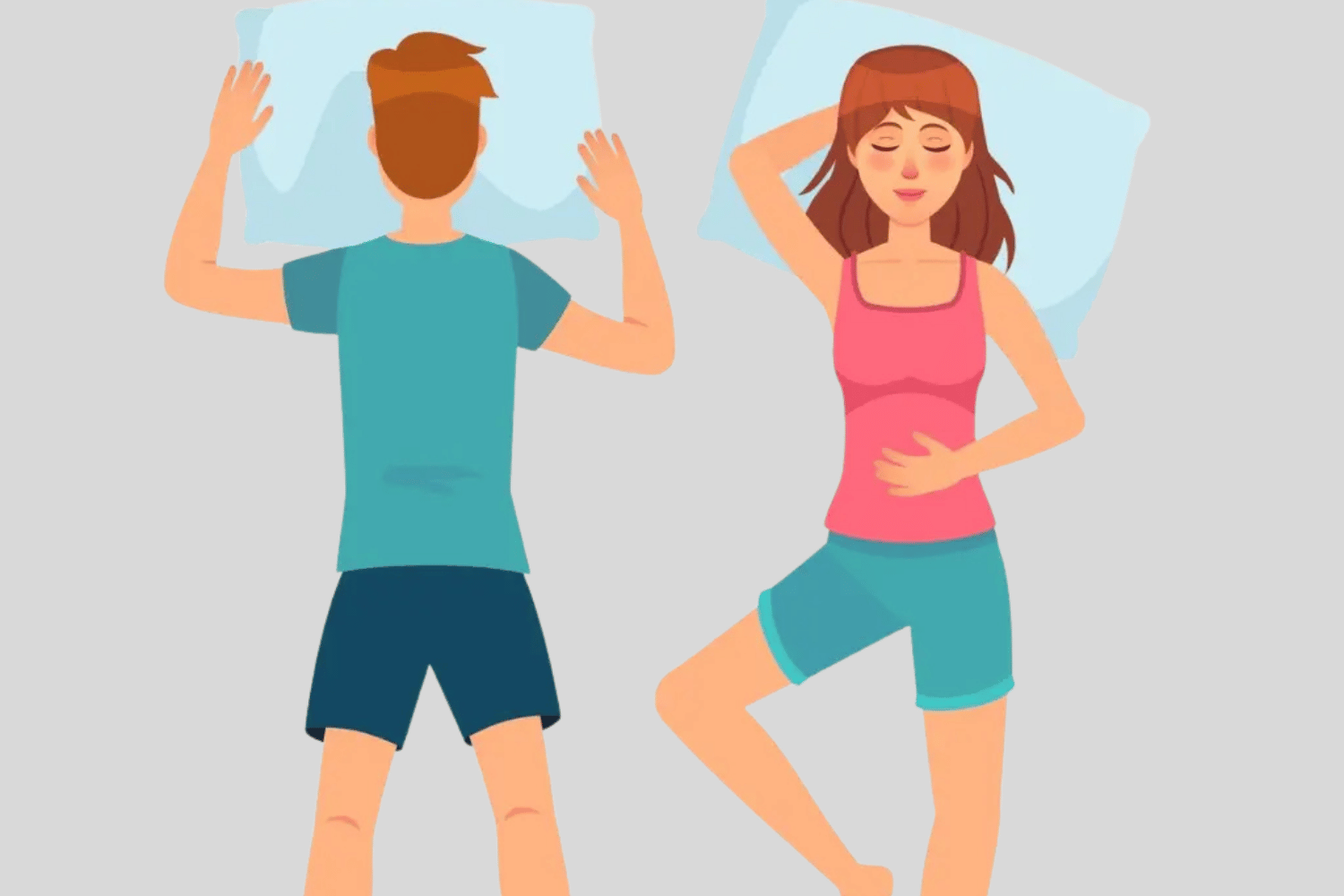
Your sleeping position refers to how your body is aligned when you rest—on your back, side, stomach, or a variation. According to the American Academy of Sleep Medicine, some positions naturally promote spinal alignment and support vital body functions like breathing and circulation. Others may contribute to discomfort, acid reflux, or snoring.
While there isn’t a “one-size-fits-all” position, certain options are considered healthier for most people. For example:
- Back sleeping supports spinal alignment.
- Side sleeping is often best for digestion, heartburn, and pregnancy.
- Stomach sleeping is usually discouraged because it strains the neck and spine.
Causes / Risk Factors of Poor Sleeping Positions
Poor sleeping posture can lead to several problems. Common causes and risk factors include:
- Neck and back strain from improper alignment.
- Snoring or sleep apnea worsened by back sleeping without proper pillow support.
- Pregnancy – needing adjustments to reduce pressure on the baby and organs.
- Obesity – making airway obstruction more likely when lying on the back.
- Existing conditions like acid reflux, arthritis, or scoliosis.
Symptoms & Signs of Sleeping in the Wrong Position
If your sleeping position isn’t ideal, your body will often send signals. Look out for:
- Morning neck or back pain
- Frequent tossing and turning
- Numbness or tingling in arms and legs
- Snoring or interrupted breathing
- Heartburn or acid reflux during the night
- Feeling unrested even after a full night’s sleep
Prevention & Healthy Habits for Better Sleep Posture
Adopting better habits can make a big difference in your sleep quality:
- Choose the right mattress – Medium-firm mattresses are best for spinal support.
- Invest in proper pillows – Side sleepers may need thicker pillows, while back sleepers do best with thinner, supportive ones.
- Try pillow placement – A pillow between the knees (side sleepers) or under the knees (back sleepers) relieves strain.
- Avoid late heavy meals – Especially if you struggle with reflux.
- Train your body – If you’re a stomach sleeper, gradually transition to side or back sleeping with supportive pillows.
- Maintain sleep hygiene – Regular bedtime, dark cool room, and no screens before bed.
Treatment Options: Improving Sleep Quality
If poor sleep posture is causing chronic issues, several solutions may help:
Medical Approaches
- Physical therapy – Strengthens muscles supporting posture.
- Sleep apnea treatment – CPAP machines or oral appliances may be recommended.
- Pain management – Anti-inflammatory medications or muscle relaxants prescribed by a doctor.
Natural Approaches
- Stretching before bed – Yoga and gentle stretches can relax tight muscles.
- Ergonomic bedding – Orthopedic pillows and mattress toppers for customized support.
- Position training – Using body pillows to encourage side sleeping.
When to See a Doctor
Seek professional advice if you experience:
- Persistent neck or back pain despite lifestyle changes.
- Loud, chronic snoring or pauses in breathing during sleep.
- Severe acid reflux that disturbs sleep.
- Numbness, tingling, or weakness after sleeping.
- Constant fatigue despite 7–9 hours of rest.
These could indicate sleep disorders like sleep apnea, GERD, or musculoskeletal problems that require medical care.
Conclusion
The best sleeping position for your health depends on your unique needs. For most people, side sleeping offers the greatest benefits, particularly for digestion, heart health, and pregnancy. However, back sleeping can be excellent for spinal alignment—if supported properly. Avoiding stomach sleeping is usually recommended to prevent strain. By making small adjustments—like choosing the right mattress, pillows, and sleep hygiene—you can wake up refreshed, pain-free, and ready to take on the day.