
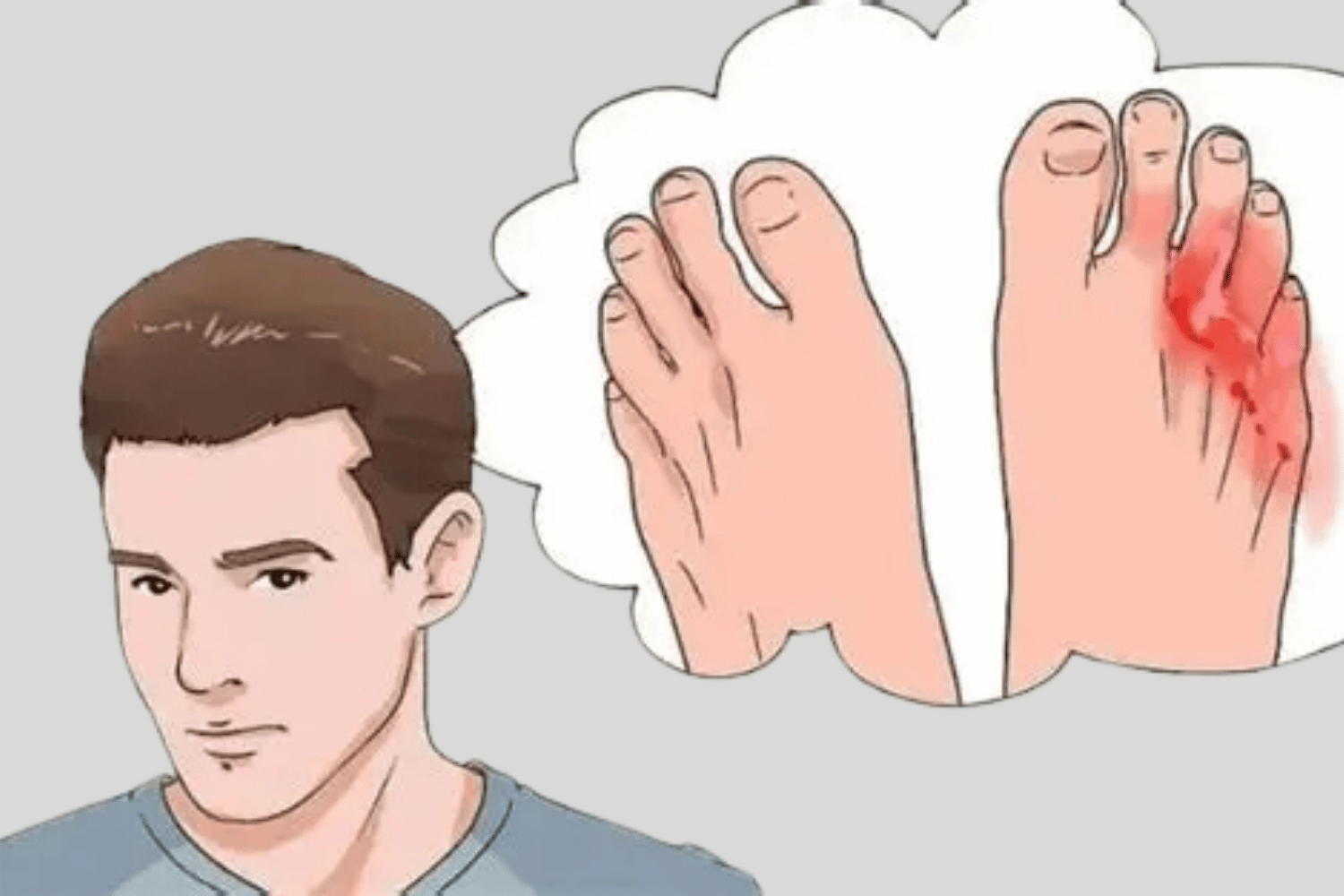
Spotting Lupus Early: Key Warning Signs You Shouldn’t Ignore
Introduction
Lupus is a chronic autoimmune disease that affects millions of people worldwide. It can impact the skin, joints, kidneys, heart, lungs, and even the brain. One of the biggest challenges with lupus is that its symptoms can be subtle and easily mistaken for other conditions. Recognizing the early warning signs is critical because timely diagnosis and treatment can prevent serious complications and improve quality of life.
In this article, we’ll break down everything you need to know about lupus, including its causes, symptoms, prevention strategies, treatment options, and when to see a doctor. Whether you’re concerned for yourself or a loved one, this guide will help you spot lupus early and take proactive steps.
What is Lupus?
Lupus, also known as systemic lupus erythematosus (SLE), is an autoimmune disease where the immune system mistakenly attacks healthy tissues. Normally, the immune system protects the body from infections, but in lupus, it triggers inflammation that can damage organs and tissues.
There are several types of lupus:
- Systemic lupus erythematosus (SLE): The most common form, affecting multiple organs.
- Cutaneous lupus: Primarily affects the skin, causing rashes and lesions.
- Drug-induced lupus: Triggered by certain medications; usually reversible when the drug is stopped.
- Neonatal lupus: A rare condition affecting newborns whose mothers have lupus.
Understanding lupus is crucial because early detection can prevent flare-ups and organ damage.
Causes and Risk Factors
The exact cause of lupus is unknown, but researchers believe it results from a combination of genetic, environmental, and hormonal factors. Here are the key contributors:
- Genetics: Having a family history of lupus or other autoimmune diseases increases risk.
- Hormones: Lupus is more common in women, especially during reproductive years, suggesting hormones like estrogen play a role.
- Environmental Triggers: Sunlight, infections, certain medications, and stress can trigger lupus flare-ups.
- Immune System Dysfunction: In lupus, the immune system produces autoantibodies that attack healthy tissues.
- Lifestyle Factors: Smoking and obesity may increase susceptibility.
Understanding these risk factors can help in early identification and management.
Symptoms & Signs of Lupus
Lupus symptoms can vary widely, which is why it’s often called “the great imitator.” Early detection relies on recognizing subtle signs. Common symptoms include:
- Fatigue: Feeling unusually tired or exhausted even after rest.
- Joint Pain & Swelling: Especially in the hands, wrists, and knees.
- Skin Rashes: Butterfly-shaped rash across cheeks and nose, or circular rashes elsewhere.
- Fever: Persistent low-grade fever without infection.
- Photosensitivity: Rashes or worsening symptoms after sun exposure.
- Hair Loss: Thinning or patchy hair.
- Mouth or Nose Ulcers: Painful sores that come and go.
- Swollen Lymph Nodes: Often overlooked but significant.
- Chest Pain & Shortness of Breath: May indicate inflammation in lungs or heart.
- Neurological Symptoms: Headaches, confusion, memory problems, or mood changes.
Tip: Keep a symptom diary. Tracking when symptoms appear and what triggers them can help your doctor make an accurate diagnosis.
Prevention & Healthy Habits
While lupus cannot be completely prevented, lifestyle adjustments can reduce flare-ups and support overall health:
- Sun Protection: Use sunscreen and protective clothing to prevent skin rashes.
- Balanced Diet: Anti-inflammatory foods like leafy greens, berries, and omega-3 fatty acids support immune health.
- Regular Exercise: Low-impact activities like swimming, yoga, or walking improve joint flexibility and reduce fatigue.
- Stress Management: Meditation, deep breathing, and hobbies can minimize flare-ups.
- Avoid Smoking & Excess Alcohol: Both can trigger inflammation and worsen symptoms.
- Adequate Sleep: 7–9 hours per night helps regulate the immune system.
Example: A study in Arthritis Care & Research shows that patients who maintain regular physical activity report fewer fatigue-related flare-ups.
Treatment Options
Treatment for lupus is highly individualized, focusing on reducing inflammation, managing symptoms, and preventing organ damage.
Medical Approaches:
- NSAIDs (Nonsteroidal Anti-Inflammatory Drugs): Reduce joint pain and inflammation.
- Corticosteroids: For controlling severe inflammation during flares.
- Immunosuppressants: Medications like azathioprine or mycophenolate suppress immune activity.
- Antimalarials: Hydroxychloroquine helps manage skin and joint symptoms.
Natural & Supportive Approaches:
- Dietary Supplements: Vitamin D, fish oil, and antioxidants may reduce inflammation.
- Acupuncture & Mind-Body Therapies: Can help relieve pain and stress.
- Physical Therapy: Improves joint function and mobility.
Always consult a healthcare provider before starting supplements or alternative therapies.
When to See a Doctor
Seek medical advice promptly if you notice:
- Persistent fatigue or unexplained fever
- New or worsening joint pain/swelling
- Skin rashes or lesions, especially after sun exposure
- Unexplained hair loss
- Chest pain, shortness of breath, or neurological changes
Early diagnosis allows for better management and reduces the risk of severe complications like kidney damage, heart disease, or stroke.
Conclusion
Lupus is a complex disease, but early recognition of warning signs can make a significant difference. By understanding the symptoms, risk factors, and preventive measures, you can take control of your health and support effective treatment. Remember: awareness, lifestyle adjustments, and timely medical intervention are key to living well with lupus.
Motivational Tip: Knowledge is power—spotting lupus early could save your life or the life of someone you love. Don’t ignore the signals your body sends.