6 Warning Signs Your Liver Is Overloaded With Toxins
Introduction
Have you been feeling unusually tired, bloated, or dealing with unexplained skin issues? Many people overlook these signs, but they could point to something serious—an overworked liver. Your liver is one of the hardest-working organs in your body. It filters blood, processes nutrients, and most importantly, detoxifies harmful substances. When toxins build up faster than your liver can process them, it can impact your health in surprising ways.
In today’s fast-paced world—filled with processed foods, pollution, medications, and stress—your liver often has to work overtime. Knowing the warning signs of toxin overload can help you take action before it leads to long-term health problems.
In this article, we’ll explore the 6 key warning signs your liver is overloaded with toxins, the main causes, prevention tips, treatment options, and when it’s time to seek professional help.
What Does It Mean When Your Liver Is Overloaded With Toxins?
The liver is your body’s natural detox machine. Every day, it:
- Filters about 1.5 liters of blood per minute.
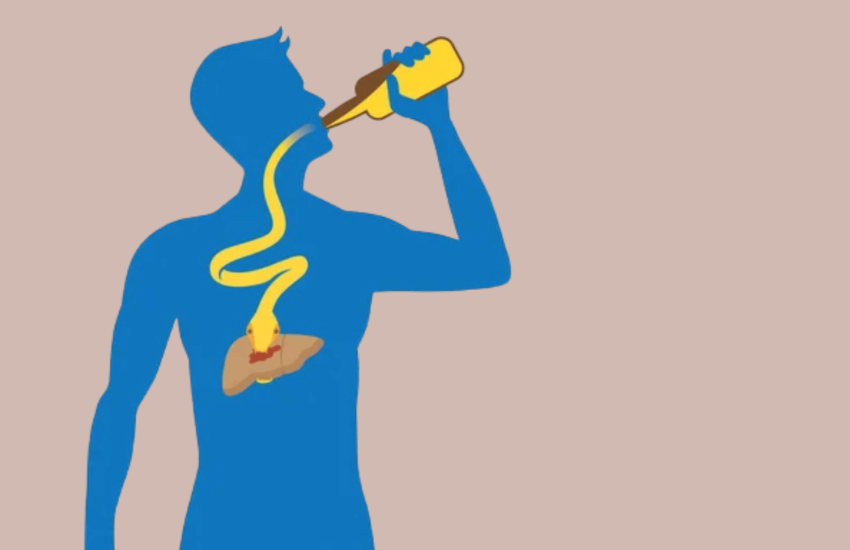
- Breaks down alcohol, medications, and chemicals.
- Converts food into energy and stores essential vitamins.
- Removes waste products like ammonia and bilirubin.
When toxins accumulate—whether from diet, lifestyle, or environment—the liver becomes stressed. Over time, this toxic overload can cause inflammation, fatty liver disease, or impaired liver function. While your liver has a remarkable ability to regenerate, constant overload weakens its efficiency and affects your overall well-being.
Causes and Risk Factors of Liver Toxin Overload
Several lifestyle and environmental factors can contribute to liver stress:
- Poor Diet
- High consumption of processed foods, refined sugars, and trans fats.
- Excessive intake of alcohol.
- Diets lacking fruits, vegetables, and fiber.
- Environmental Toxins
- Air pollution and exposure to heavy metals.
- Household chemicals and pesticides.
- Smoking and secondhand smoke.
- Medications & Supplements
- Overuse of over-the-counter painkillers (e.g., acetaminophen).
- Long-term use of certain prescription drugs.
- Unregulated herbal supplements.
- Lifestyle Factors
- Lack of exercise, leading to fatty liver buildup.
- Chronic stress, which elevates inflammation.
- Inadequate hydration, limiting toxin removal.
6 Warning Signs Your Liver Is Overloaded With Toxins
If your liver is struggling, it often sends signals throughout the body. Watch for these six common warning signs:
1. Unexplained Fatigue and Low Energy
When the liver is overloaded, it struggles to process nutrients and toxins efficiently. This can lead to constant tiredness, brain fog, and low motivation.
2. Digestive Issues (Bloating, Constipation, or Acid Reflux)
Since the liver produces bile for digestion, a sluggish liver may cause bloating, constipation, or indigestion.
3. Skin Problems (Acne, Itching, or Rashes)
The skin often reflects internal health. If your liver cannot filter toxins properly, they may surface as acne, eczema, or itchy skin.
4. Frequent Headaches or Brain Fog
Toxin buildup can interfere with brain function, leading to headaches, poor concentration, and memory issues.
5. Unexplained Weight Gain (Especially Around the Abdomen)
An overloaded liver struggles to metabolize fats, leading to fat accumulation around the belly and weight gain.
6. Yellowish Eyes or Skin (Jaundice)
One of the most serious signs. It happens when bilirubin (a waste product) builds up in the blood, indicating the liver is severely stressed.
Prevention and Healthy Habits for a Clean Liver
The good news? Your liver has an incredible ability to heal itself if you make healthy choices. Here are practical steps to support liver health:
- Eat a balanced diet: Focus on whole foods, leafy greens, cruciferous vegetables (broccoli, kale), and antioxidant-rich fruits.
- Stay hydrated: Drink at least 8 glasses of water daily to help flush toxins.
- Limit alcohol and sugary drinks: These place a heavy burden on the liver.
- Exercise regularly: Physical activity helps reduce fat buildup in the liver.
- Choose liver-friendly foods: Garlic, turmeric, ginger, green tea, and walnuts are known to support detoxification.
- Practice mindful living: Reduce stress with meditation, deep breathing, or yoga.
- Sleep well: Quality sleep enhances liver regeneration and detox processes.
Treatment Options
If prevention isn’t enough, here are treatment approaches:
Medical Options
- Medications: Doctors may prescribe treatments for fatty liver, hepatitis, or toxin-related damage.
- Monitoring: Regular liver function tests help track progress.
- Procedures: In severe cases, interventions like liver transplant may be required.
Natural Supportive Approaches
- Detox diets: While extreme detoxes aren’t recommended, a gentle reset with clean eating can support the liver.
- Herbal remedies: Milk thistle and dandelion root are studied for liver protection (consult your doctor first).
- Probiotics: Improve gut health, indirectly supporting liver detoxification.
When to See a Doctor
Don’t ignore persistent symptoms. Seek medical help if you notice:
- Yellowing of the eyes or skin.
- Severe abdominal pain or swelling.
- Persistent fatigue lasting more than two weeks.
- Dark urine or pale stools.
- Sudden unexplained weight loss.
Early diagnosis prevents serious complications like cirrhosis or liver failure.
Conclusion
Your liver is a powerhouse that keeps your body clean and functioning. But modern lifestyles expose it to more toxins than ever before. By recognizing the 6 warning signs of liver overload—fatigue, digestive issues, skin problems, headaches, weight gain, and jaundice—you can take proactive steps toward better health.
Simple lifestyle changes like eating nutrient-rich foods, staying active, and reducing toxin exposure can make a huge difference. And remember: listening to your body and seeking medical advice early can protect your liver for the long run.