6 Lifestyle Habits That Can Help Reverse Chronic Illness – Doctor’s Advice
Introduction
Imagine waking up every day full of energy, free from the constant fatigue, pain, or discomfort that chronic illness often brings. For millions of people worldwide, chronic conditions like diabetes, heart disease, arthritis, and autoimmune disorders are part of daily life. But here’s the good news: science shows that certain lifestyle changes can not only manage—but in some cases reverse—chronic illness.
Doctors and health experts agree that medication alone is not always the answer. By combining medical care with healthy daily habits, many patients have experienced dramatic improvements in their health. In this article, we’ll explore six simple, doctor-recommended lifestyle changes that can help your body heal and regain balance.
What Are Lifestyle Habits That Can Reverse Chronic Illness?
Lifestyle habits refer to the choices we make every day—what we eat, how we move, how we sleep, and even how we handle stress. Chronic illnesses such as type 2 diabetes, cardiovascular disease, obesity, and hypertension are strongly linked to lifestyle.
Reversing chronic illness doesn’t mean a “miracle cure” or stopping treatment overnight. Instead, it means reducing symptoms, improving quality of life, and sometimes even lowering the need for medications—under a doctor’s supervision.
Doctors often describe chronic illness as the result of “long-term wear and tear” on the body. Just as poor lifestyle habits can trigger disease, healthy habits can help the body repair itself.
Causes & Risk Factors for Chronic Illness
Several factors increase the risk of developing chronic conditions. These include:
- Unhealthy diet – High intake of processed foods, sugar, and unhealthy fats.
- Lack of physical activity – Sedentary lifestyles weaken the heart, muscles, and immune system.
- Chronic stress – Stress hormones can disrupt the body and weaken immunity.
- Poor sleep – Sleep deprivation increases inflammation and insulin resistance.
- Smoking & alcohol – Both damage organs and increase risk for cancer and heart disease.
- Genetics – Family history may increase vulnerability but doesn’t guarantee illness.
- Environmental factors – Pollution, toxins, and poor air quality contribute to disease.
Symptoms & Signs of Chronic Illness
Chronic illnesses manifest differently, but common warning signs include:
- Persistent fatigue or low energy
- Frequent headaches or body aches
- Digestive issues (bloating, constipation, or diarrhea)
- High blood pressure or irregular heartbeat
- Joint stiffness or chronic pain
- Weight gain or difficulty losing weight
- Difficulty sleeping or poor sleep quality
- Frequent infections or slow healing wounds
- Mood swings, anxiety, or depression
6 Lifestyle Habits That Can Help Reverse Chronic Illness – Doctor’s Advice
1. Adopt a Whole-Food, Plant-Rich Diet
Doctors emphasize that nutrition is the foundation of health. Diets like the Mediterranean diet and plant-based diets have been proven to reduce inflammation, improve heart health, and support weight loss.
- Eat more: vegetables, fruits, whole grains, legumes, nuts, and seeds.
- Reduce: processed foods, red meats, sugary drinks, and trans fats.
- Practical tip: Fill half your plate with colorful vegetables at every meal.
2. Move Your Body Every Day
Exercise doesn’t have to mean intense gym sessions. Even 30 minutes of brisk walking, cycling, or yoga can strengthen the heart, improve insulin sensitivity, and boost mood.
- Aim for at least 150 minutes of moderate activity per week.
- Mix cardio with strength training and flexibility exercises.
- Practical tip: Take the stairs, walk during calls, or do bodyweight exercises at home.
3. Prioritize Quality Sleep
Sleep is when the body repairs itself. Poor sleep increases inflammation, raises blood sugar, and weakens immunity.
- Adults need 7–9 hours of restorative sleep.
- Maintain a consistent bedtime routine.
- Limit screen time and caffeine before bed.
4. Manage Stress Effectively
Chronic stress triggers hormonal imbalances that worsen illness. Doctors recommend incorporating stress-reduction practices daily.
- Try meditation, deep breathing, journaling, or prayer.
- Spend time in nature or engage in hobbies.
- Practical tip: Start with just 5 minutes of mindful breathing per day.
5. Avoid Toxins: Quit Smoking & Limit Alcohol
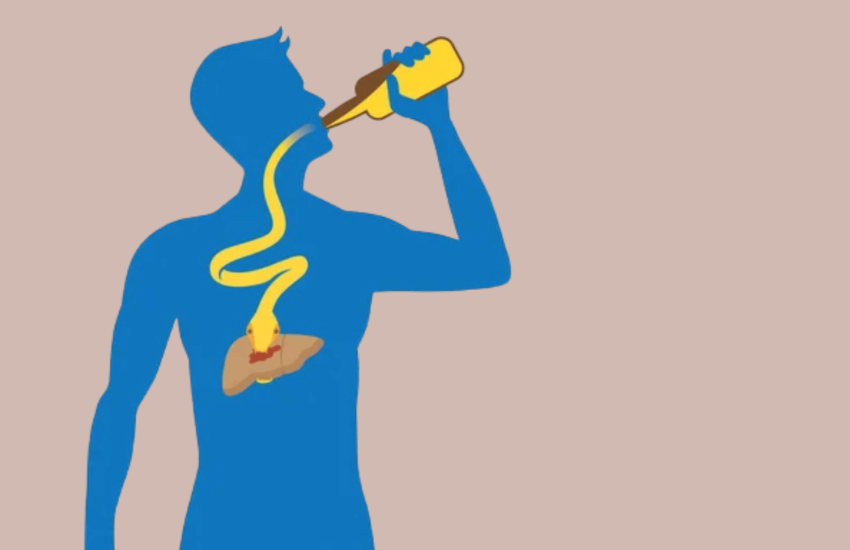
Smoking and heavy alcohol consumption are linked to nearly every major chronic illness. Quitting smoking and reducing alcohol intake can dramatically improve health outcomes.
- Seek support groups or professional help if needed.
- Replace habits with healthier alternatives (e.g., herbal teas, exercise).
6. Build Strong Social Connections
Loneliness and social isolation are now recognized as risk factors for chronic illness. Strong relationships help reduce stress and promote longer life.
- Stay connected with family and friends.
- Join community groups, volunteer, or participate in social activities.
- Practical tip: Schedule regular “connection time” with loved ones.
Treatment Options: Medical & Natural Approaches
While lifestyle changes are powerful, they work best alongside medical guidance.
Medical Approaches:
- Prescription medications (e.g., for blood pressure, cholesterol, or blood sugar).
- Regular checkups and screenings.
- Surgery or procedures in severe cases.
Natural & Supportive Approaches:
- Nutritional therapy and diet coaching.
- Physical therapy or yoga for mobility.
- Stress-reduction techniques like mindfulness.
- Supplements (only under medical advice).
When to See a Doctor
Even if you adopt these lifestyle habits, it’s important to consult a doctor if you experience:
- Persistent pain or fatigue that interferes with daily life.
- Sudden changes in weight, appetite, or energy levels.
- Shortness of breath, chest pain, or dizziness.
- Uncontrolled blood sugar, blood pressure, or cholesterol.
- Emotional distress, anxiety, or depression.
Early medical intervention can prevent complications and ensure the safest path to recovery.
Conclusion
Chronic illnesses don’t develop overnight—and they don’t have to control your future. By making small but powerful lifestyle changes—eating well, staying active, sleeping better, reducing stress, avoiding toxins, and staying socially connected—you can take back control of your health.
Doctors often say: “Your daily habits are your true medicine.”
Start with one change today, and over time, you’ll notice your body’s incredible ability to heal.