Top 5 Exercises Every Woman Over 40 Should Do Each Week
Introduction
Turning 40 is a milestone that brings wisdom, experience, and often a new perspective on health. But it can also bring changes in metabolism, muscle mass, bone density, and flexibility. Many women notice it becomes harder to stay fit, lose weight, or maintain energy levels compared to their 20s or 30s. The good news? With the right exercises, women over 40 can boost strength, protect their joints, prevent chronic disease, and feel more energized than ever.
This article highlights the 5 best exercises women over 40 should do weekly, why they matter, and how to include them in your routine. Whether you’re new to fitness or already active, these moves will support long-term health, vitality, and confidence.
What Are the Top 5 Exercises for Women Over 40?
The top exercises focus on preserving strength, balance, mobility, and cardiovascular health—areas that naturally decline with age. Scientific studies show that women over 40 lose about 3–8% of muscle mass per decade if they don’t do resistance training. Bone density also decreases, raising the risk of osteoporosis. The right mix of strength training, cardio, flexibility, and balance exercises helps slow or even reverse these changes.
Here are the Top 5 exercises every woman over 40 should do each week:
- Strength Training (Squats, Deadlifts, Push-ups)
- Walking or Low-Impact Cardio
- Core and Stability Work (Planks, Bridges)
- Yoga or Stretching
- Balance Exercises (Single-Leg Stands, Heel-to-Toe Walks)
Causes / Risk Factors for Needing These Exercises
Why do women over 40 need to prioritize these workouts? Several natural changes occur in the body after 40:
- Hormonal changes (perimenopause & menopause): Decline in estrogen affects metabolism, bone strength, and fat distribution.
- Slower metabolism: Leads to weight gain, especially around the abdomen.
- Loss of muscle mass (sarcopenia): Makes everyday tasks harder and increases risk of falls.
- Bone density loss (osteopenia/osteoporosis): Increases fracture risk.
- Joint stiffness & reduced flexibility: Can limit mobility and increase discomfort.
- Increased risk of chronic diseases: Heart disease, diabetes, and arthritis become more common.
Regular exercise directly combats these risks by keeping the body strong, resilient, and balanced.
Signs & Symptoms of Declining Fitness After 40
If you’re not including the right exercises in your weekly routine, you may notice:
- Frequent fatigue or low energy
- Weight gain (especially around the belly)
- Reduced muscle tone or strength
- Stiffness in joints or back pain
- Decreased balance or unsteadiness
- Poor posture
- More frequent injuries
- Trouble sleeping or increased stress
These aren’t just “normal aging” signs—they can often be improved with the right fitness habits.
Prevention & Healthy Habits
The good news is that you can prevent or slow down these changes with consistent exercise and lifestyle habits.
Practical tips for women over 40:
- Do strength training 2–3 times per week to preserve muscle and bone strength.
- Aim for 150 minutes of cardio per week (walking, cycling, swimming).
- Incorporate daily stretching to improve flexibility and posture.
- Focus on balance exercises to prevent falls and injuries.
- Stay hydrated and eat enough protein (at least 20–30g per meal).
- Get quality sleep (7–9 hours) to support recovery and hormone balance.
- Listen to your body—don’t push through sharp pain.
The 5 Best Exercises Women Over 40 Should Do Weekly
1. Strength Training (Squats, Deadlifts, Push-ups)
Strength training is the #1 most important exercise for women over 40. It helps:
- Maintain muscle mass
- Boost metabolism
- Strengthen bones
- Improve posture
Example routine:
- Squats – 3 sets of 12 reps
- Push-ups (on knees or full) – 3 sets of 10 reps
- Deadlifts (with dumbbells or bodyweight hinge) – 3 sets of 10 reps
💡 Tip: Start with light weights or bodyweight until you feel confident.
2. Walking or Low-Impact Cardio
Cardio supports heart health, weight management, and endurance. High-impact workouts can strain joints, so walking, cycling, or swimming are ideal.
Weekly goal:
- 30 minutes a day, 5 days a week
- Mix steady-paced walks with occasional brisk intervals
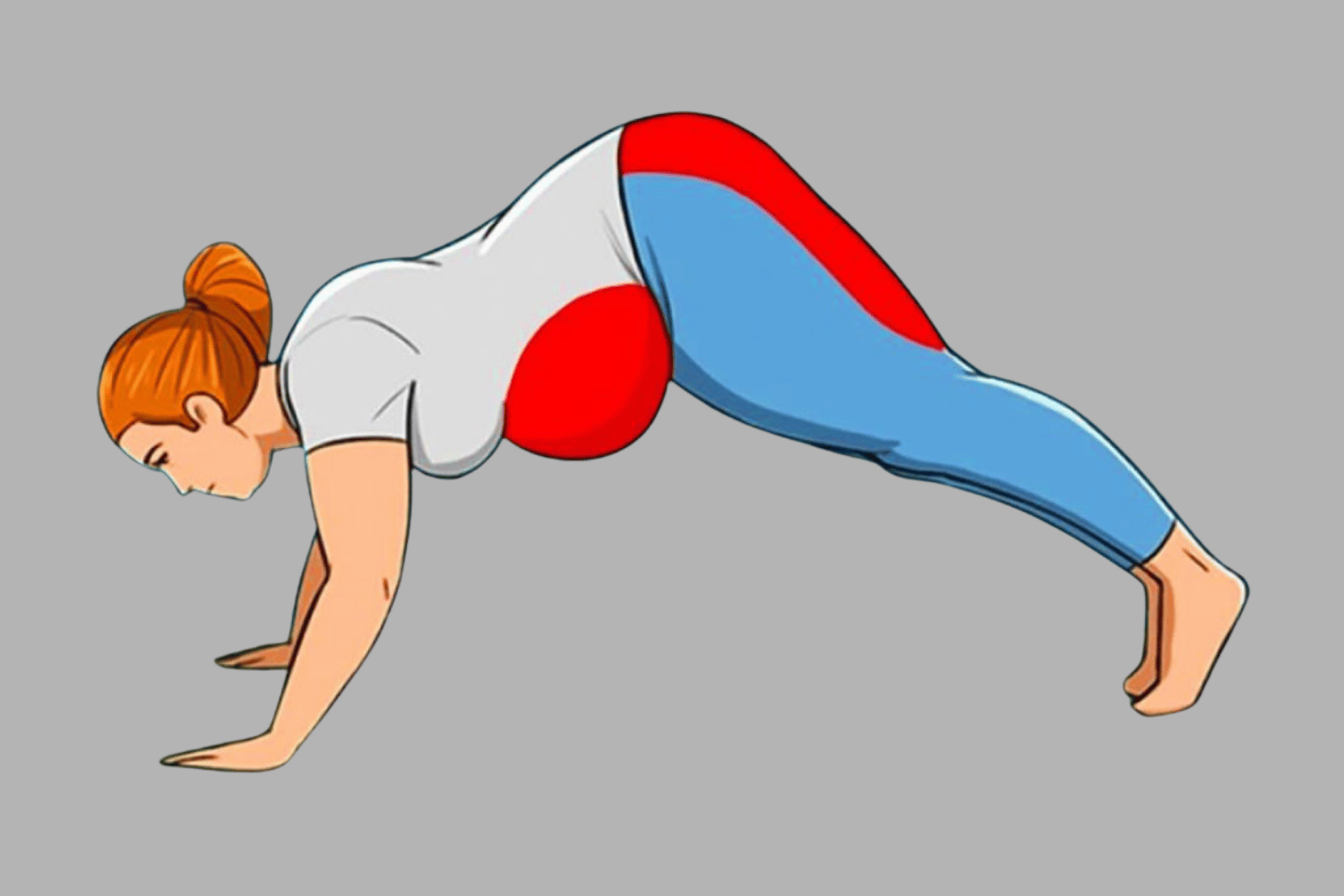
3. Core & Stability Work (Planks, Bridges)
A strong core reduces back pain, improves balance, and makes everyday tasks easier.
Try this mini routine:
- Forearm Plank – Hold for 20–40 seconds
- Glute Bridge – 3 sets of 12 reps
- Bird Dog – 3 sets of 10 reps each side
4. Yoga or Stretching
Flexibility and mobility decline with age, leading to stiffness and injury risk. Yoga combines stretching, balance, and relaxation—perfect for women over 40.
Benefits:
- Improves flexibility and joint mobility
- Reduces stress
- Supports hormonal balance
- Enhances posture
Try: 20 minutes of yoga or simple stretches daily.
5. Balance Exercises (Single-Leg Stands, Heel-to-Toe Walks)
Falls are a leading cause of injury for older adults. Balance training improves stability and prevents accidents.
Examples:
- Single-Leg Stand – Hold for 20–30 seconds per side
- Heel-to-Toe Walk – 3 sets of 10 steps
- Side Leg Raises – 3 sets of 12 reps per side
Treatment Options if Fitness Declines
If you’ve already lost strength, flexibility, or balance, don’t worry—it’s reversible.
- Medical guidance: A doctor or physiotherapist can recommend safe exercise modifications.
- Strength training programs: Even starting at 40, 50, or 60 can significantly improve health.
- Low-impact options: Swimming, water aerobics, or cycling for those with joint pain.
- Natural support: Adequate protein, calcium, vitamin D, and omega-3s aid muscle and bone health.
- Group classes: Pilates, yoga, or resistance bands sessions keep you motivated.
When to See a Doctor
You should consult a healthcare professional before starting a new exercise program if you:
- Have chronic conditions (heart disease, diabetes, arthritis)
- Experience chest pain, dizziness, or shortness of breath during activity
- Suffer from severe joint or back pain
- Are recovering from surgery or major injury
A doctor or physiotherapist can help customize a safe, effective fitness plan.
Conclusion
Turning 40 isn’t a limitation—it’s an opportunity to build strength, confidence, and long-term health. By focusing on strength, cardio, core, flexibility, and balance, women over 40 can feel vibrant, reduce disease risk, and age gracefully.
Remember: it’s never too late to start. Just 30 minutes a day, 5 days a week can completely transform how you feel today—and in the decades to come.