6 Signs Your Body Shows You’re Secretly Stressed
Introduction
Stress is a natural part of life, but sometimes it quietly creeps into our bodies without obvious warning signs. You might feel “off” without realizing your stress levels are high, affecting both your physical and mental health. Recognizing these subtle signs is crucial to preventing burnout, anxiety, and long-term health problems. In this article, we’ll explore 6 weird signs your body shows you’re secretly stressed, why they happen, and what you can do to manage stress effectively.
What is “6 Signs Your Body Shows You’re Secretly Stressed”?
Stress is your body’s natural response to challenges, threats, or changes. While occasional stress can motivate you, chronic stress triggers persistent physical, emotional, and behavioral symptoms. Hidden stress signs are subtle physical or mental cues that your body sends to indicate it’s under pressure—often before you consciously feel overwhelmed.
Understanding these signs helps you take proactive steps toward better health and prevents more serious conditions, such as heart disease, high blood pressure, or anxiety disorders.
Causes / Risk Factors
Several factors can increase your likelihood of experiencing hidden stress:
- Work pressure: Long hours, tight deadlines, or job insecurity.
- Financial strain: Debt, unexpected expenses, or income instability.
- Relationship challenges: Conflict with partners, family, or friends.
- Major life changes: Moving, losing a loved one, or starting a new job.
- Poor lifestyle habits: Lack of sleep, poor nutrition, or sedentary behavior.
- Personality traits: Perfectionism or difficulty saying no.
By recognizing these risk factors, you can be more vigilant for subtle stress signals your body may exhibit.
Symptoms & Signs
Here are 6 weird signs your body shows you’re secretly stressed:
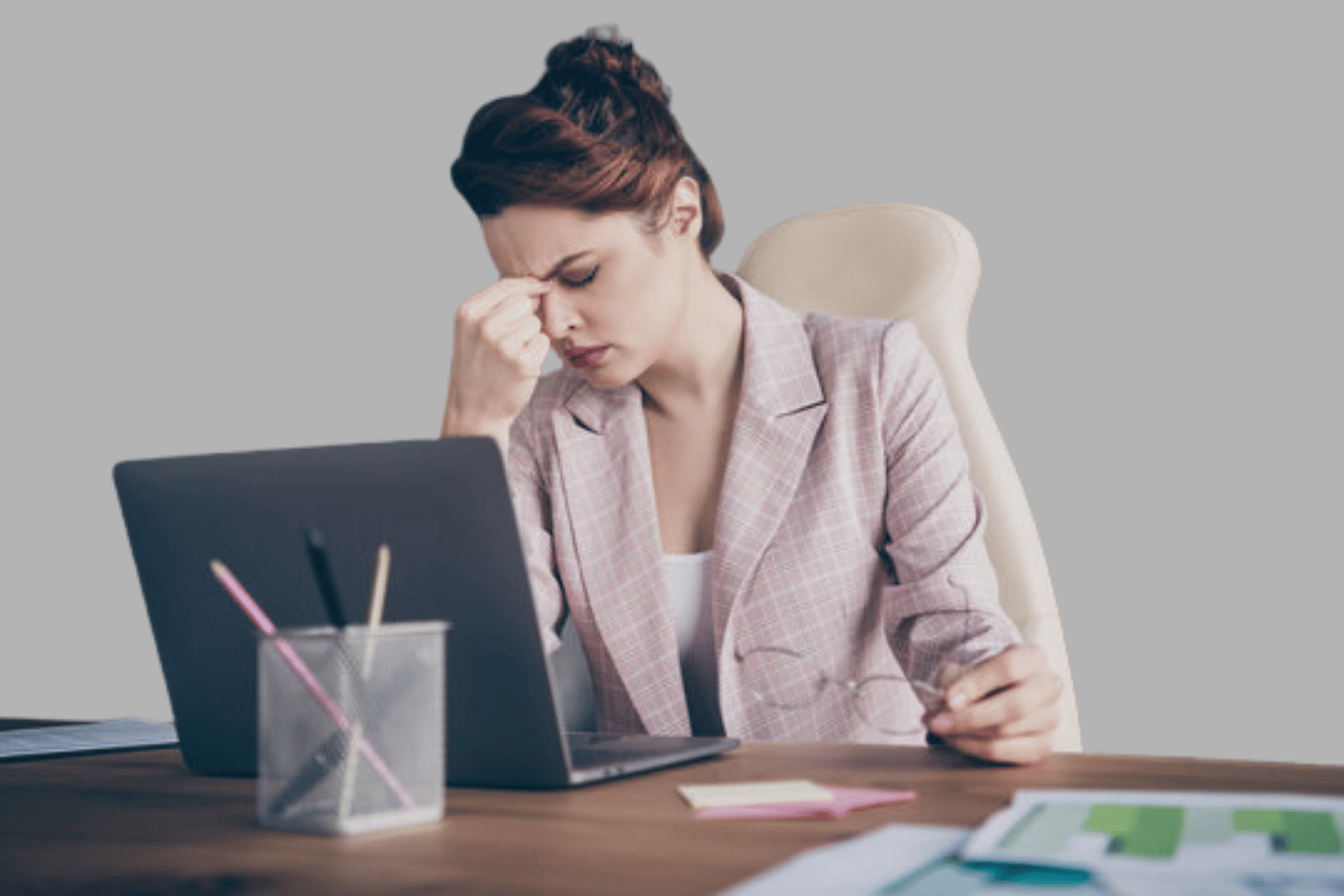
- Frequent Headaches or Migraines
- Stress causes muscle tension and changes in brain chemistry, leading to tension headaches or migraines.
- Example: You notice headaches only on busy workdays.
- Digestive Problems
- Stress triggers the “fight or flight” response, slowing digestion and causing bloating, diarrhea, or stomach pain.
- Example: Your stomach cramps before presentations or stressful meetings.
- Skin Flare-Ups
- Stress hormones like cortisol can trigger acne, eczema, or psoriasis flare-ups.
- Example: You suddenly develop breakouts during stressful projects.
- Changes in Sleep Patterns
- Stress can cause insomnia, restless sleep, or oversleeping.
- Example: You lie awake at night replaying stressful events.
- Muscle Tension or Pain
- Chronic stress causes muscles to tighten, especially in the neck, shoulders, or back.
- Example: Shoulder stiffness after a week of intense work deadlines.
- Mood Changes and Cognitive Fog
- Subtle signs include irritability, anxiety, forgetfulness, or difficulty concentrating.
- Example: You snap at colleagues or struggle to focus on simple tasks.
Prevention & Healthy Habits
Managing stress before it escalates is key. Here are practical tips:
- Exercise regularly: Even 20 minutes of walking reduces stress hormones.
- Practice mindfulness: Meditation, deep breathing, or yoga can calm the nervous system.
- Maintain a balanced diet: Include fruits, vegetables, and omega-3s for brain health.
- Sleep hygiene: Maintain a consistent sleep schedule and limit screen time before bed.
- Social support: Talk with friends, family, or support groups.
- Set boundaries: Learn to say no and prioritize self-care.
Treatment Options
If stress persists, consider both medical and natural approaches:
Medical Approaches:
- Therapy: Cognitive Behavioral Therapy (CBT) can reduce stress and improve coping skills.
- Medication: In some cases, doctors may prescribe anti-anxiety or sleep medications.
- Regular check-ups: To rule out stress-related physical health issues.
Natural Approaches:
- Herbal supplements: Ashwagandha, valerian root, or chamomile can help manage stress (consult a doctor first).
- Breathing exercises: Deep, slow breathing lowers cortisol and blood pressure.
- Mind-body techniques: Tai chi, yoga, or progressive muscle relaxation.
When to See a Doctor
Seek professional help if stress symptoms:
- Persist for weeks or months.
- Interfere with work, relationships, or daily life.
- Lead to physical symptoms such as chest pain, dizziness, or severe headaches.
- Cause panic attacks, depression, or thoughts of self-harm.
Early intervention can prevent long-term physical and mental health complications.
Conclusion
Stress can hide in your body, often through subtle, weird signs like digestive issues, skin problems, or sleep disturbances. By recognizing these signals early, practicing healthy habits, and seeking professional help when necessary, you can regain control over your health and wellbeing. Listen to your body—it’s always sending messages you shouldn’t ignore.