Primary Biliary Cirrhosis: Causes, Symptoms, and Treatment
Introduction
Imagine feeling tired all the time, your skin constantly itching, and your eyes and mouth becoming unusually dry. Many people brush these symptoms off as stress or aging. But in some cases, they may signal a serious liver condition known as Primary Biliary Cirrhosis (PBC).
Although the medical community now refers to it as Primary Biliary Cholangitis, many still recognize the older name. PBC is a chronic autoimmune disease that damages the bile ducts in the liver, gradually leading to scarring (cirrhosis). Early detection is crucial because timely treatment can slow its progression and help people live healthier, longer lives.
This guide will explain what PBC is, its causes, risk factors, symptoms, prevention strategies, treatment options, and when to seek medical help. If you or someone you know is dealing with unexplained fatigue or liver issues, this article will give you clarity and practical tips.
What is Primary Biliary Cirrhosis?
Primary Biliary Cirrhosis (PBC) is a long-term autoimmune disease where the body’s immune system mistakenly attacks the small bile ducts in the liver. Bile is a fluid that helps digest fats and remove toxins. When bile ducts are damaged, bile builds up in the liver, causing inflammation, scarring, and eventually cirrhosis (serious liver damage).
- PBC mostly affects women (about 90% of cases), typically between 30–60 years old.
- The condition progresses slowly, sometimes over decades.
- While there is no complete cure, modern treatments can manage symptoms, protect the liver, and improve quality of life.
Causes and Risk Factors
The exact cause of PBC isn’t fully understood, but scientists believe it’s a mix of genetic, autoimmune, and environmental factors.
Main Causes / Risk Factors:
- Autoimmune reaction – The body mistakenly attacks its own bile ducts.
- Genetics – Family history increases risk (if your mother, sister, or daughter has PBC, your chances are higher).
- Gender – Women are far more likely to develop it than men.
- Age – Most common in adults between 30 and 60.
- Environmental triggers – Possible links include smoking, exposure to certain chemicals, or recurrent infections.
- Other autoimmune conditions – People with thyroid disease, rheumatoid arthritis, or scleroderma may have a higher risk.
Symptoms and Signs
PBC often develops silently in its early stages, meaning many people don’t notice symptoms until significant liver damage occurs. However, doctors can detect it with blood tests before symptoms appear.
Common Symptoms:
- Persistent fatigue (even after rest)
- Itchy skin (pruritus), often worse at night
- Dry eyes and dry mouth (Sjögren’s syndrome is common with PBC)
- Yellowing of the skin and eyes (jaundice, at later stages)
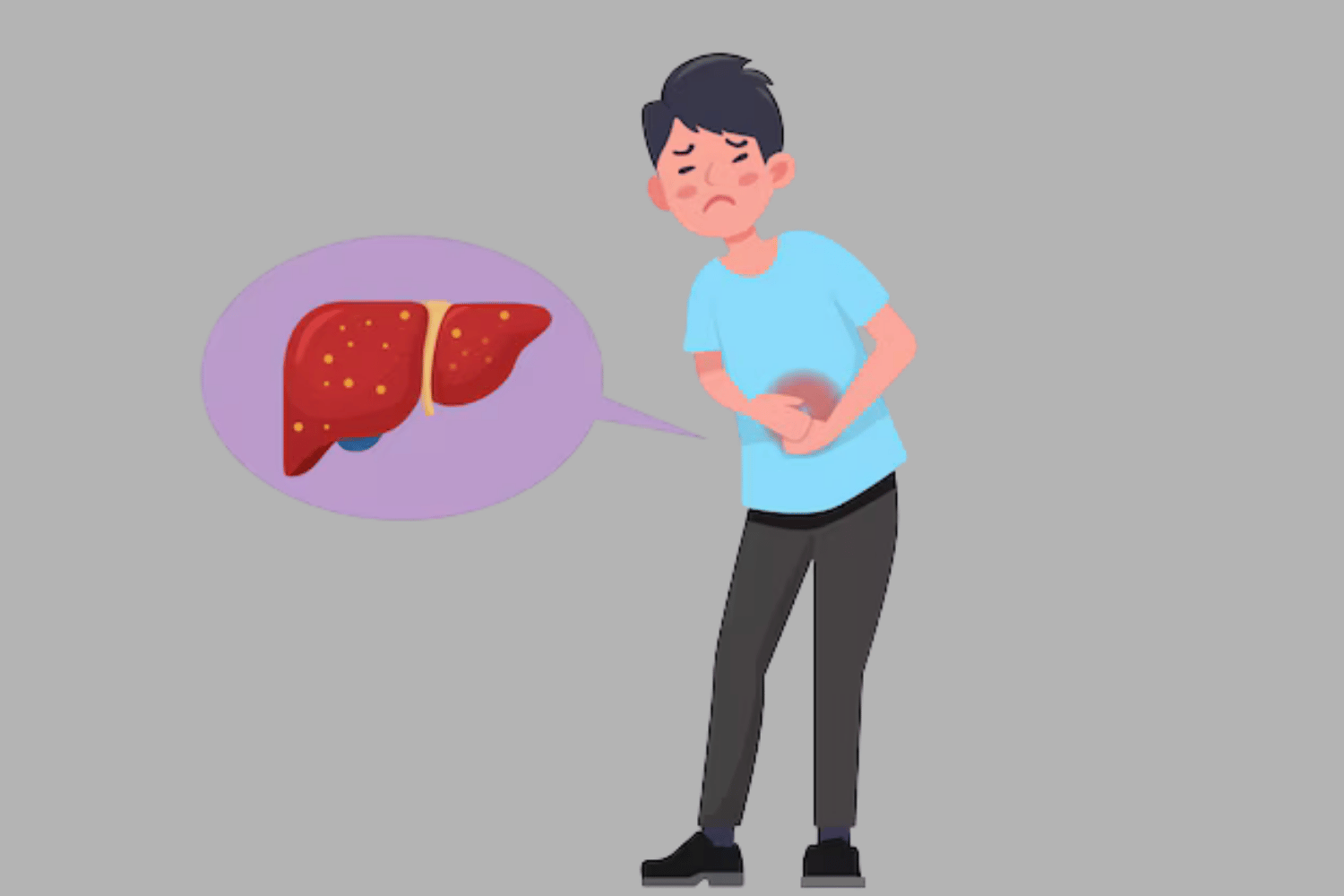
- Abdominal discomfort in the upper right side
- Swelling in legs and ankles (edema)
- Dark urine and pale stools
- High cholesterol levels (sometimes noticed in blood tests)
- Bone and joint pain (osteoporosis risk is higher)
If left untreated, PBC can lead to cirrhosis, liver failure, or liver cancer in severe cases.
Prevention & Healthy Habits
While you can’t completely prevent PBC, certain lifestyle habits can support your liver health and slow disease progression.
Practical Tips:
- Quit smoking – Tobacco is linked to higher risk and faster progression.
- Eat a liver-friendly diet – Focus on fruits, vegetables, lean protein, and healthy fats. Avoid processed foods and excess sugar.
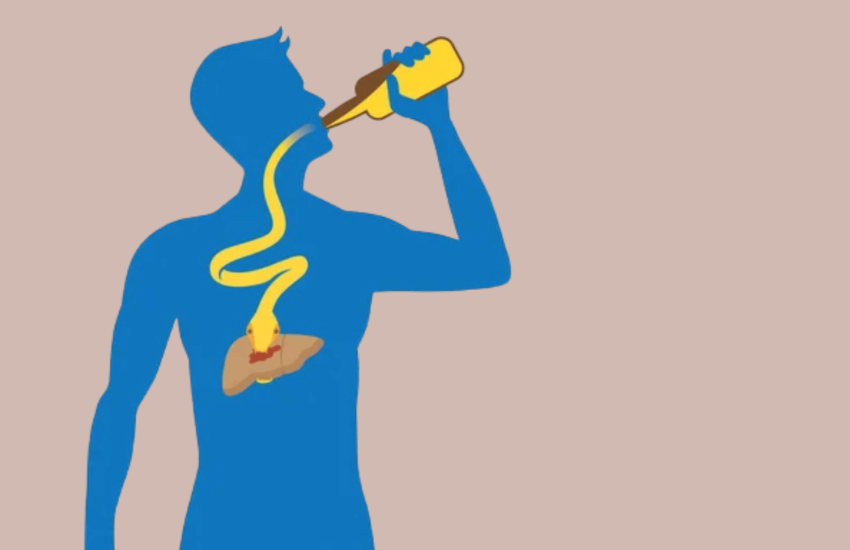
- Limit alcohol – Alcohol puts additional stress on the liver.
- Exercise regularly – Gentle activity improves energy and maintains bone health.
- Protect your bones – Since PBC increases osteoporosis risk, ensure enough calcium and vitamin D.
- Maintain a healthy weight – Obesity worsens liver problems.
- Stay hydrated – Helps digestion and reduces fatigue.
Treatment Options
Although there’s no cure yet, early treatment can slow or stop disease progression.
Medical Treatments:
- Ursodeoxycholic acid (UDCA) – The main first-line treatment; it helps bile flow and protects the liver.
- Obeticholic acid (OCA) – Used if UDCA is not effective.
- Medications for symptoms –
- Cholestyramine or rifampicin for itching
- Artificial tears/saliva substitutes for dryness
- Vitamin D, calcium, or bisphosphonates for bone protection
- Liver transplant – For severe cases when the liver is failing.
Natural / Supportive Approaches:
- Balanced diet with antioxidant-rich foods (berries, leafy greens, nuts).
- Milk thistle (silymarin) – Some research suggests it may support liver health (but always consult a doctor).
- Yoga and stress reduction – Managing stress improves overall well-being and fatigue.
⚠️ Always consult your doctor before taking supplements or herbal remedies.
When to See a Doctor
You should seek medical advice if you notice:
- Unexplained chronic fatigue
- Persistent itchy skin or dryness
- Yellowing of the skin or eyes
- Dark urine or pale stools
- Swelling in your legs, ankles, or abdomen
Early diagnosis with blood tests and imaging can make a huge difference.
Conclusion
Primary Biliary Cirrhosis (PBC) may sound intimidating, but with early detection, lifestyle changes, and proper treatment, many people manage the condition successfully for decades.
The key takeaways are:
- PBC is an autoimmune liver disease, more common in women.
- Symptoms include fatigue, itchy skin, and jaundice.
- Healthy habits and modern treatments can slow progression.
- Don’t ignore persistent symptoms—early medical help matters.
Your liver works hard every day to keep you healthy. Taking care of it is one of the best investments you can make for your future well-being.