10 Signs Your Body Has Too Much Estrogen (And How to Flush It Out Naturally)
Introduction
Have you been feeling more tired than usual, struggling with stubborn weight gain, or noticing mood swings that don’t quite make sense? These symptoms may not just be “in your head.” They could be linked to a hidden hormonal imbalance—excess estrogen.
Estrogen is often called the “female hormone,” but it plays a vital role in both men and women. While it’s essential for reproductive health, bone strength, and cardiovascular function, too much estrogen (a condition often referred to as estrogen dominance) can throw your whole system out of balance.
In this article, we’ll explore:
- The 10 signs your body may have too much estrogen.
- The causes and risk factors.
- Practical steps on how to flush out excess estrogen naturally.
- When it’s time to see a doctor.
By the end, you’ll have a clear, science-backed understanding of this common hormonal issue and the tools to start reclaiming balance in your body.
What is Estrogen Dominance?
Estrogen dominance refers to a condition where estrogen levels are too high relative to other hormones, particularly progesterone. It doesn’t always mean estrogen is “sky-high,” but rather that there is an imbalance between estrogen and progesterone.
This hormonal imbalance can lead to symptoms affecting your:
- Mood
- Weight
- Energy
- Menstrual cycles (in women)
- Libido (in both men and women)
Estrogen dominance is increasingly common today due to lifestyle factors such as poor diet, chronic stress, lack of exercise, and exposure to environmental toxins (also called xenoestrogens).
Causes & Risk Factors of Excess Estrogen
Several factors can contribute to elevated estrogen levels. Understanding them is the first step in prevention and treatment.
1. Poor Diet
- Diets high in processed foods, sugar, and refined carbs can lead to insulin resistance and weight gain, which in turn raises estrogen.
- Low fiber intake reduces the body’s ability to flush out estrogen.
2. Obesity & Weight Gain
Fat tissue (especially around the belly) produces estrogen. The more body fat, the higher the estrogen load.
3. Environmental Toxins (Xenoestrogens)
Chemicals in plastics, pesticides, cosmetics, and even household cleaners can mimic estrogen in the body.
4. Hormonal Medications
Birth control pills, hormone replacement therapy (HRT), and certain medications can increase estrogen levels.
5. Stress
High cortisol (the stress hormone) can throw off hormonal balance, leading to lower progesterone and relatively higher estrogen.
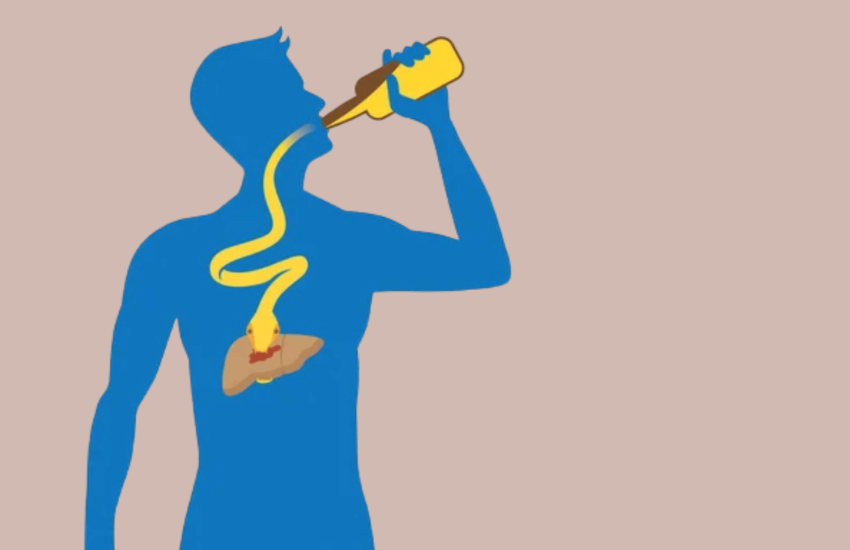
6. Liver Dysfunction
Since the liver helps metabolize estrogen, a sluggish liver due to alcohol, fatty liver disease, or toxin overload can cause estrogen buildup.
10 Signs Your Body Has Too Much Estrogen
Here are the most common warning signals your body might be overloaded with estrogen:
- Irregular or Heavy Periods
- Excess estrogen thickens the uterine lining, leading to heavier and sometimes painful cycles.
- Bloating & Water Retention
- High estrogen can cause sodium and fluid retention, leaving you puffy and uncomfortable.
- Breast Tenderness or Swelling
- Similar to PMS symptoms, but more intense and persistent.
- Mood Swings, Anxiety, or Irritability
- Hormonal imbalances directly affect brain chemistry and mood regulation.
- Weight Gain, Especially Around the Hips & Thighs
- Estrogen dominance is strongly linked to stubborn lower-body fat.
- Low Libido
- Hormonal imbalance can dampen sex drive in both men and women.
- Headaches or Migraines
- Estrogen fluctuations are a well-known trigger for hormonal headaches.
- Hair Loss or Thinning
- Imbalances can disrupt the hair growth cycle.
- Fatigue & Brain Fog
- Difficulty concentrating or constantly feeling drained can be signs of hormonal disruption.
- Sleep Problems
- Too much estrogen can reduce progesterone (the calming hormone), making restful sleep difficult.
Prevention & Healthy Habits
The good news? Lifestyle changes can help rebalance estrogen levels naturally.
Diet Tips
- Increase fiber intake (fruits, vegetables, whole grains) to support estrogen elimination.
- Eat cruciferous vegetables like broccoli, kale, and Brussels sprouts, which contain compounds that aid estrogen detox.
- Choose organic produce when possible to avoid pesticide-related xenoestrogens.
- Limit alcohol to reduce liver stress.
Lifestyle Habits
- Exercise regularly: Aim for 30 minutes of cardio + strength training most days.
- Reduce plastic use: Switch to glass, stainless steel, or BPA-free containers.
- Manage stress: Yoga, meditation, and deep breathing can balance cortisol.
- Prioritize sleep: Poor sleep worsens hormonal imbalance.
Treatment Options
If lifestyle changes alone aren’t enough, medical or natural treatments may be necessary.
Medical Approaches
- Hormone testing: A doctor may recommend blood, saliva, or urine tests.
- Medication adjustments: If birth control or HRT is the cause, dosage changes or alternatives may be considered.
- Liver support medications in some cases.
Natural Supplements
- DIM (Diindolylmethane): Found in cruciferous vegetables, helps metabolize estrogen.
- Calcium-D-Glucarate: Aids liver detoxification of estrogen.
- Magnesium & B vitamins: Support hormone metabolism.
- Herbs like chasteberry and milk thistle: May promote balance and liver function.
(Always consult with a healthcare professional before starting supplements.)
When to See a Doctor
Seek medical guidance if you notice:
- Persistent heavy or painful periods.
- Unexplained weight gain despite healthy habits.
- Severe mood disturbances or anxiety.
- Family history of breast, ovarian, or endometrial cancer (as high estrogen is a risk factor).
Early diagnosis and management can prevent complications such as fertility issues, endometriosis, or increased cancer risk.
Conclusion
Hormones are like the body’s orchestra—when one instrument is out of tune, the whole symphony suffers. Excess estrogen can disrupt nearly every aspect of your health, but the good news is that you can take steps today to restore balance.
By making small, consistent changes—like eating more fiber, reducing toxins, supporting your liver, and managing stress—you can help your body naturally flush out excess estrogen. And if needed, professional medical support is available.
Remember: your health is in your hands, and balance is achievable.