
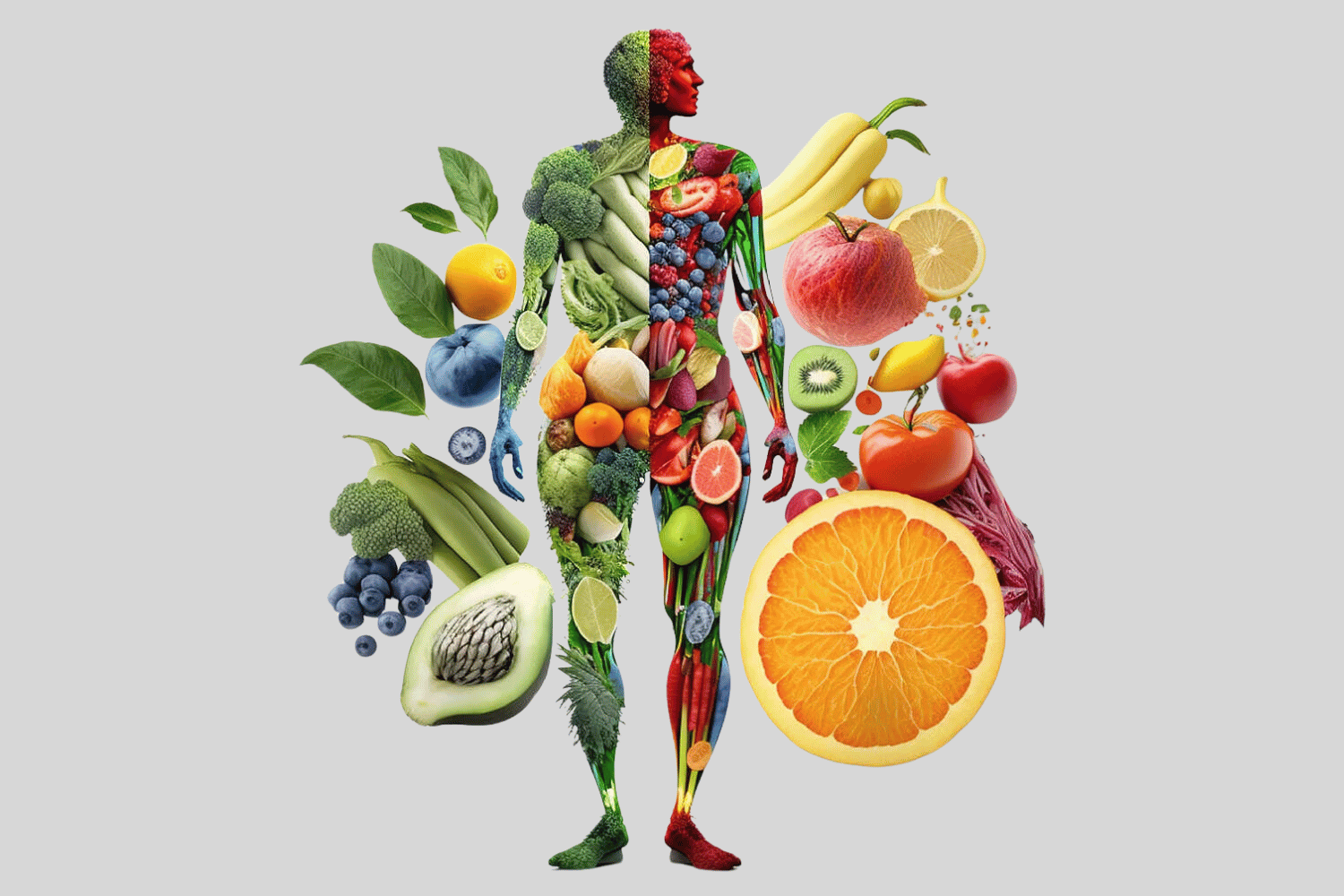
15 Foods That Keep Your Blood Vessels Healthy: Boost Circulation & Heart Health Naturally
Introduction
Healthy blood vessels are the unsung heroes of your body. They carry oxygen and nutrients to every organ, regulate blood pressure, and help maintain overall cardiovascular health. But modern lifestyles—high in processed foods, sugar, and unhealthy fats—can damage these vital pathways, increasing the risk of heart disease, stroke, and other circulatory issues.
The good news? Your diet can be a powerful tool to protect and even improve the health of your blood vessels. In this article, we’ll explore 15 foods scientifically proven to keep your blood vessels healthy, why they work, and practical tips to include them in your daily routine.
What is “15 Foods That Keep Your Blood Vessels Healthy”?
Blood vessels include arteries, veins, and capillaries, all of which are essential for circulating blood throughout the body. Healthy blood vessels are flexible, elastic, and free of plaque buildup. When blood vessels are damaged, conditions like atherosclerosis, hypertension, and cardiovascular disease can develop.
Certain foods contain antioxidants, healthy fats, and anti-inflammatory compounds that strengthen blood vessel walls, reduce plaque formation, and improve circulation. Focusing on these foods can be a simple yet effective way to support long-term cardiovascular health.
Causes / Risk Factors for Blood Vessel Damage
Understanding what harms blood vessels can help you prevent issues before they arise. Common causes and risk factors include:
- Poor diet: High intake of processed foods, trans fats, and refined sugars can damage arteries.
- Sedentary lifestyle: Lack of physical activity reduces circulation and elasticity of vessels.
- Smoking: Tobacco chemicals directly injure blood vessel walls.
- High blood pressure: Puts chronic stress on arteries, causing wear and tear.
- Diabetes: High blood sugar levels damage vessel lining over time.
- Obesity: Excess weight increases inflammation and cardiovascular strain.
- Aging: Blood vessels naturally lose elasticity with age.
Symptoms & Signs of Unhealthy Blood Vessels
Blood vessel issues can develop silently, but some signs may indicate problems:
- Chest pain or pressure (angina)
- Shortness of breath during mild exertion
- Numbness or tingling in extremities
- Cold hands and feet
- Swelling in legs or ankles
- Fatigue or dizziness
- Visible varicose veins
Recognizing these signs early can help prevent serious complications.
15 Foods That Keep Your Blood Vessels Healthy
1. Fatty Fish
Rich in omega-3 fatty acids, fatty fish like salmon, mackerel, and sardines reduce inflammation and lower triglyceride levels, promoting artery flexibility.
2. Berries
Blueberries, strawberries, and raspberries are high in anthocyanins, antioxidants that improve blood vessel function and reduce oxidative stress.
3. Leafy Greens
Spinach, kale, and Swiss chard are packed with nitrates that help dilate blood vessels, improving circulation.
4. Nuts
Almonds, walnuts, and pistachios contain healthy fats, magnesium, and vitamin E, which support arterial health and reduce plaque buildup.
5. Garlic
Garlic has allicin, a compound that relaxes blood vessels, lowers blood pressure, and reduces cholesterol.
6. Citrus Fruits
Oranges, grapefruits, and lemons provide vitamin C and flavonoids, boosting collagen production and vessel elasticity.
7. Tomatoes
Rich in lycopene, tomatoes reduce oxidative stress and support healthy blood vessel lining.
8. Dark Chocolate
High in flavonoids, dark chocolate improves nitric oxide levels, enhancing blood vessel dilation and circulation.
9. Green Tea
Contains catechins, antioxidants that improve endothelial function and reduce inflammation in arteries.
10. Beets
Beets are high in dietary nitrates, which convert into nitric oxide to relax and expand blood vessels, enhancing blood flow.
11. Whole Grains
Oats, quinoa, and brown rice provide fiber that lowers LDL cholesterol and reduces arterial plaque.
12. Avocado
Full of monounsaturated fats and potassium, avocados support vessel elasticity and healthy blood pressure levels.
13. Pomegranate
Pomegranate juice contains polyphenols that prevent plaque buildup and improve blood flow.
14. Olive Oil
Extra virgin olive oil is rich in antioxidants and anti-inflammatory compounds, supporting arterial health.
15. Turmeric
Curcumin, the active compound in turmeric, reduces inflammation and prevents damage to the inner lining of blood vessels.
Prevention & Healthy Habits
Along with incorporating these foods, adopt lifestyle habits to protect blood vessels:
- Exercise regularly: Aim for at least 150 minutes of moderate aerobic activity weekly.
- Maintain a healthy weight: Reduce stress on blood vessels and improve circulation.
- Quit smoking: Smoking cessation dramatically improves vascular health.
- Limit processed foods and sugar: Prevents arterial inflammation and plaque buildup.
- Manage stress: Practices like meditation, yoga, and deep breathing help regulate blood pressure.
- Stay hydrated: Water keeps blood flowing smoothly and supports vessel elasticity.
Treatment Options
Medical Approaches:
- Medications: Statins, blood pressure drugs, and anticoagulants can manage risk factors and treat vascular disease.
- Surgical interventions: In severe cases, procedures like angioplasty or stent placement may be necessary.
Natural Approaches:
- Dietary interventions: Eating the 15 foods above consistently.
- Herbal supplements: Garlic, turmeric, and omega-3 supplements can support vessel health (consult your doctor first).
- Lifestyle modifications: Regular exercise, quitting smoking, and stress management.
When to See a Doctor
Seek professional medical attention if you experience:
- Persistent chest pain or pressure
- Shortness of breath
- Sudden numbness or weakness on one side of the body
- Severe leg swelling or pain
- Dizziness or fainting episodes
Early evaluation can prevent serious cardiovascular events.
Conclusion
Healthy blood vessels are vital for a long, active, and heart-healthy life. Incorporating nutrient-rich foods like fatty fish, berries, leafy greens, nuts, and garlic, along with lifestyle habits such as regular exercise and stress management, can dramatically improve vascular health. Small, consistent changes in your diet and daily habits can pay off with better circulation, lower risk of heart disease, and more energy every day.
Take charge of your vascular health today—your blood vessels will thank you!