15 Early Cancer Symptoms Women Often Overlook
Introduction
Imagine this: you’ve been feeling unusually tired, your periods are slightly different, or you’ve had a persistent cough that just won’t go away. Most of us brush these things off as stress, hormonal changes, or a minor infection. But sometimes, these “small” issues can be early warning signs of something more serious—like cancer.
Cancer remains one of the leading causes of death worldwide, and women often miss subtle symptoms because they’re busy balancing careers, family, and daily life. Recognizing these early signs can save lives because early detection dramatically improves survival rates.
In this article, we’ll explore 15 early cancer symptoms women often overlook, what causes them, prevention tips, and when it’s time to seek medical advice.
What Are Cancer Symptoms Women Often Overlook?
Cancer symptoms are warning signals your body sends when something is wrong. Unfortunately, many of these signs are vague and mimic common health issues like fatigue, weight changes, or digestive discomfort.
For women, certain cancers—such as breast, ovarian, cervical, uterine, and colorectal—often present with early indicators that are mistaken for menstrual changes, menopause, or everyday stress.
Why this matters:
- Ignoring subtle symptoms can delay diagnosis.
- Early treatment increases survival rates significantly.
- Awareness empowers women to take proactive health steps.
Causes & Risk Factors
Not every woman with these symptoms has cancer, but being aware of risk factors can help identify who’s more vulnerable.
Common cancer risk factors in women include:
- Genetics: Family history of breast, ovarian, or colon cancer.
- Age: Risk increases after 40, though young women aren’t exempt.
- Hormonal changes: Long-term use of birth control or hormone replacement therapy.
- Lifestyle: Smoking, alcohol, poor diet, and lack of exercise.
- Obesity: Linked to higher risk of breast, uterine, and colorectal cancer.
- HPV infection: Strongly associated with cervical cancer.
15 Early Cancer Symptoms Women Often Overlook
Here are the most common overlooked signs that may indicate cancer in women:
- Unexplained Weight Loss – Dropping weight without trying could indicate cancers like pancreatic, stomach, or lung.
- Persistent Fatigue – Not relieved by rest; may point to leukemia or colon cancer.
- Unusual Bloating – Frequent bloating, especially if lasting more than 2 weeks, can signal ovarian cancer.
- Changes in Breasts – Lumps, dimpling skin, nipple discharge, or redness could indicate breast cancer.
- Irregular Vaginal Bleeding – Bleeding between periods, after sex, or after menopause can be a sign of uterine or cervical cancer.
- Pelvic or Abdominal Pain – Persistent discomfort may point to ovarian or uterine cancer.
- Changes in Bowel Habits – Diarrhea, constipation, or narrow stools lasting more than a few weeks may indicate colorectal cancer.
- Persistent Cough or Hoarseness – Especially if lasting more than 3 weeks, could signal lung or throat cancer.
- Skin Changes – New moles, changes in color, or non-healing sores may suggest skin cancer.
- Difficulty Swallowing – Could indicate throat, esophageal, or stomach cancer.
- Frequent Indigestion or Nausea – Persistent stomach issues should not be ignored.
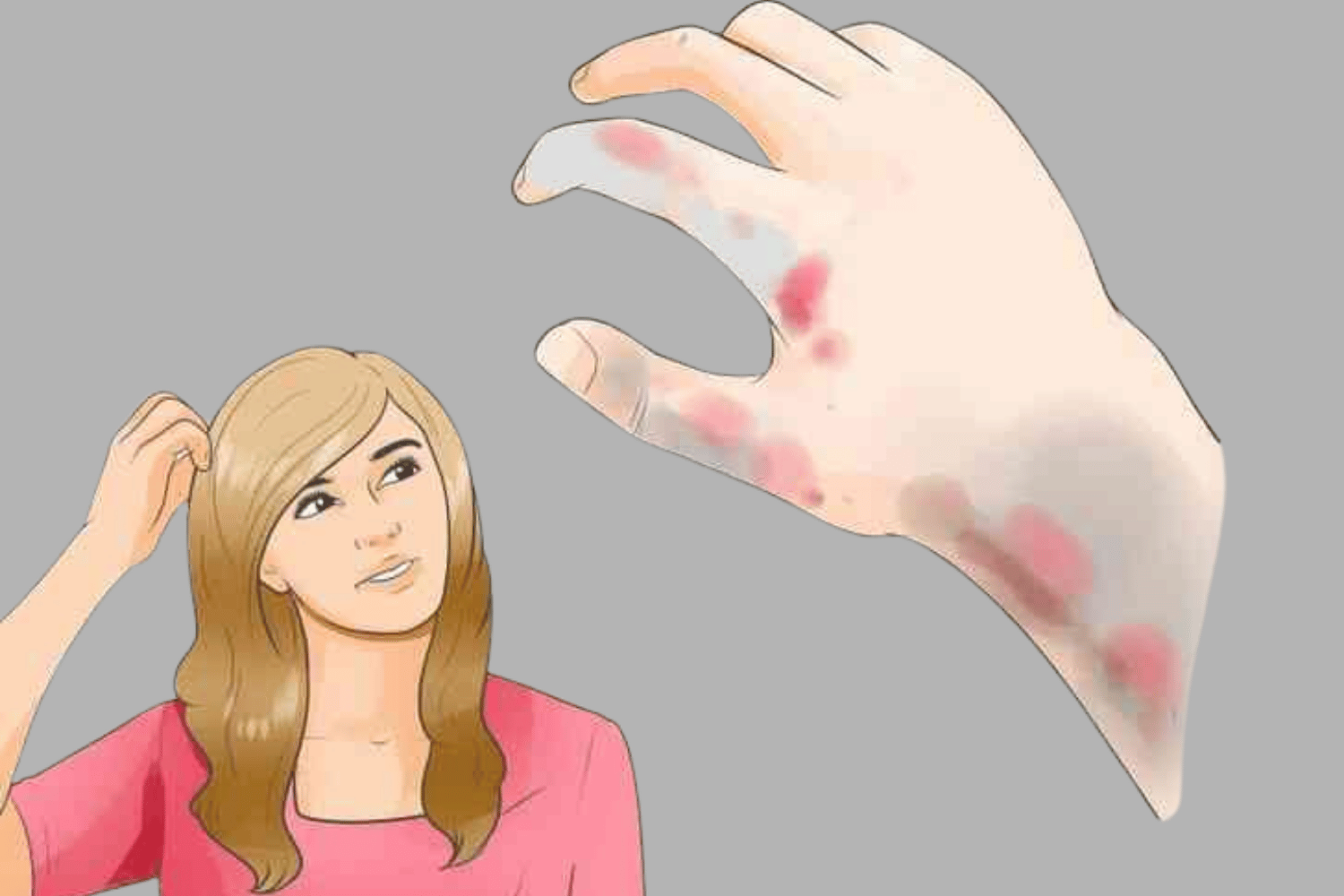
- Unexplained Bruising or Bleeding – Especially in unusual areas, may be linked to blood cancers like leukemia.
- Chronic Back or Leg Pain – Could be related to bone, ovarian, or spinal cancer.
- Night Sweats or Fevers – Unexplained fevers may indicate lymphoma or leukemia.
- Changes in Urination – Pain, blood, or frequent urge can be a symptom of bladder or kidney cancer.
Prevention & Healthy Habits
While not all cancers are preventable, lifestyle changes can reduce risk significantly:
- Eat a balanced diet: Rich in vegetables, fruits, whole grains, and lean proteins.
- Stay active: Aim for at least 30 minutes of moderate exercise most days.
- Avoid tobacco and limit alcohol.
- Maintain a healthy weight.
- Protect your skin: Use sunscreen and avoid tanning beds.
- Get regular screenings: Pap smears, mammograms, colonoscopies, and HPV vaccines.
- Manage stress & sleep: Chronic stress weakens immunity.
Treatment Options
Cancer treatment depends on the type, stage, and overall health of the patient.
Standard medical treatments include:
- Surgery: Removing tumors when possible.
- Chemotherapy: Drugs to kill cancer cells.
- Radiation therapy: Targeted radiation to shrink tumors.
- Immunotherapy: Boosting the immune system to fight cancer.
- Hormone therapy: For cancers linked to hormones (e.g., breast, uterine).
Complementary approaches:
- Healthy diet adjustments.
- Stress management (yoga, meditation).
- Support groups and counseling.
Important: Natural approaches should complement, not replace medical treatment.
When to See a Doctor
You should see a healthcare professional if you notice:
- Symptoms lasting more than 2–3 weeks.
- Unexplained changes in weight, bleeding, or pain.
- Lumps or changes in the breast, skin, or abdomen.
- Persistent fatigue or fever.
Tip: Trust your instincts. If something feels “off” in your body, it’s worth checking.
Conclusion
Many women dismiss early cancer symptoms as minor health issues. But staying informed and proactive can make the difference between early detection and late-stage diagnosis.
Key takeaway: Listen to your body, prioritize preventive care, and never ignore persistent or unusual symptoms. Your health is your best investment.