One Month Before a Heart Attack, Your Body Will Warn You – Here Are the 6 Signs
Introduction
Heart attacks are one of the leading causes of death worldwide, yet many people don’t recognize the early warning signs. Imagine if your body could give you a heads-up a month in advance—allowing you to take action before it’s too late. Understanding these early signs can be lifesaving. This article explores six warning signals your body may show a month before a heart attack, why they happen, and what you can do to reduce your risk.
What Are the 6 Warning Signs Your Body Shows a Month Before a Heart Attack?
Heart attacks, medically known as myocardial infarctions, occur when blood flow to the heart is blocked, typically by a blood clot or buildup of plaque in the coronary arteries. Weeks before the actual event, your body may exhibit subtle signals. Recognizing them early can help you seek medical advice, adopt healthier habits, and prevent severe damage.
Causes / Risk Factors
Several factors increase the risk of a heart attack:
- High Blood Pressure (Hypertension): Forces the heart to work harder, damaging arteries.
- High Cholesterol: Leads to plaque buildup in arteries, restricting blood flow.
- Diabetes: Increases risk of heart disease due to high blood sugar damaging vessels.
- Smoking: Nicotine narrows blood vessels and raises heart rate.
- Obesity & Sedentary Lifestyle: Contributes to high blood pressure, cholesterol, and insulin resistance.
- Family History: Genetics can play a role in heart disease susceptibility.
- Stress: Chronic stress can trigger inflammation and raise blood pressure.
Understanding your risk factors is the first step in preventing a heart attack.
Symptoms & Signs
Here are six common warning signs that may appear a month before a heart attack:
- Unusual Fatigue
Feeling tired despite normal activity can indicate your heart isn’t pumping efficiently. - Shortness of Breath
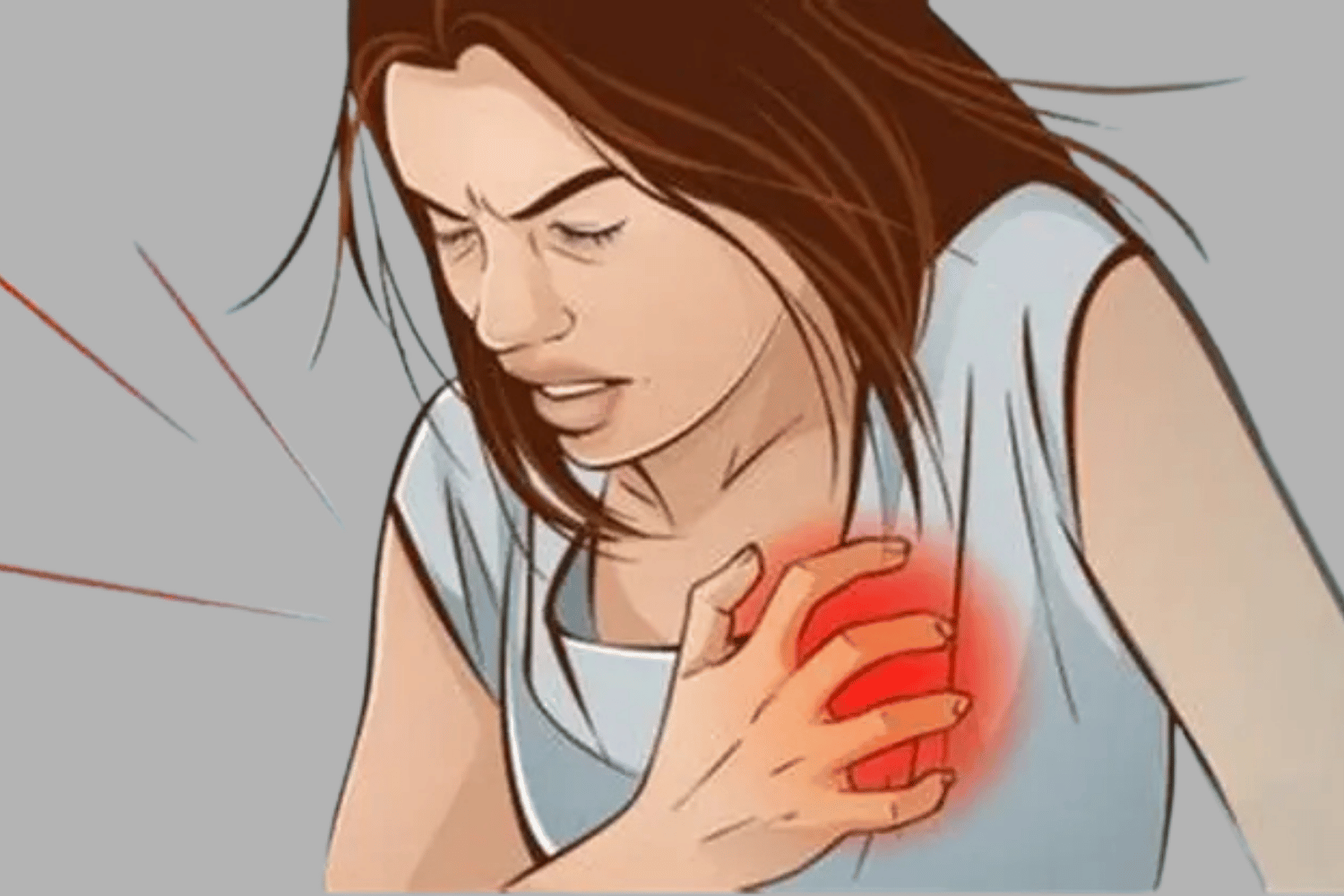
Even minor exertion like climbing stairs may leave you breathless. - Chest Discomfort or Mild Pain
A squeezing sensation, pressure, or discomfort in the chest may occur intermittently. - Pain in Other Areas
Discomfort may radiate to the neck, jaw, shoulders, or arms. - Dizziness or Lightheadedness
Reduced blood flow to the brain can cause fainting or dizziness. - Heart Palpitations
Feeling like your heart is racing, skipping beats, or fluttering unexpectedly.
Tip: Even if symptoms seem mild or occasional, they should not be ignored. Early detection saves lives.
Prevention & Healthy Habits
Reducing your risk of a heart attack starts with lifestyle changes:
- Eat a Heart-Healthy Diet: Include fruits, vegetables, whole grains, lean proteins, and healthy fats.
- Exercise Regularly: Aim for at least 150 minutes of moderate exercise weekly.
- Quit Smoking: Seek support programs or nicotine replacement therapies.
- Manage Stress: Meditation, yoga, or hobbies can lower stress levels.
- Monitor Health Metrics: Regularly check blood pressure, cholesterol, and blood sugar.
- Limit Alcohol: Excessive drinking increases heart disease risk.
- Maintain Healthy Weight: A balanced diet and activity help prevent obesity-related heart issues.
Treatment Options
Medical Approaches:
- Medications: Blood thinners, beta-blockers, ACE inhibitors, or statins may be prescribed to reduce heart attack risk.
- Procedures: In severe cases, stents or bypass surgery may be necessary.
Natural & Lifestyle Approaches:
- Dietary Adjustments: Increase intake of omega-3 fatty acids from fish, nuts, and seeds.
- Exercise: Regular cardiovascular workouts improve heart function.
- Stress Management: Mindfulness, deep breathing exercises, and social support help reduce cardiovascular stress.
Always consult a healthcare professional before starting or changing treatments.
When to See a Doctor
Seek medical attention immediately if you experience:
- Severe chest pain or pressure
- Shortness of breath at rest
- Sudden dizziness or fainting
- Pain radiating to jaw, neck, or arms
- Persistent or worsening palpitations
Even if symptoms are mild, a check-up can prevent escalation into a full-blown heart attack.
Conclusion
Your heart may give subtle signs a month before a heart attack occurs. Recognizing fatigue, shortness of breath, chest discomfort, pain in other areas, dizziness, and palpitations early can be life-saving. Pair awareness with healthy habits like proper diet, exercise, and stress management to protect your heart. Don’t ignore your body—early action can save lives.