
7 Key Facts About Huntington’s Disease You Shouldn’t Ignore
Introduction
Imagine watching someone you love slowly lose control over their movements, emotions, and even their memory. That’s the reality for families affected by Huntington’s disease (HD) — a rare but devastating genetic condition that impacts the brain. While not as widely discussed as Alzheimer’s or Parkinson’s, Huntington’s disease deserves attention because of its life-changing effects.
In this article, we’ll walk you through 7 key facts about Huntington’s disease you shouldn’t ignore, helping you understand what it is, why it happens, and what can be done to manage it. Whether you’re a caregiver, a family member, or simply curious about brain health, this guide breaks down complex medical details into easy-to-grasp information.
What is Huntington’s Disease?
Huntington’s disease (HD) is a rare, inherited disorder that gradually damages nerve cells in the brain. Over time, this leads to problems with movement, thinking, and behavior.
- It is genetic, meaning it runs in families.
- Symptoms usually appear between ages 30 and 50, though early-onset and juvenile cases also exist.
- It is caused by a mutation in the HTT gene, which produces a faulty version of a protein called huntingtin.
- This abnormal protein builds up and slowly destroys brain cells.
The disease was first described in 1872 by Dr. George Huntington, and today, medical research continues to search for effective treatments. While there is no cure yet, early detection and proper management can significantly improve quality of life.
7 Key Facts About Huntington’s Disease You Shouldn’t Ignore
1. Huntington’s Disease is Genetic and Inherited
If one parent carries the defective HTT gene, each child has a 50% chance of inheriting it. This makes genetic counseling crucial for families with a history of the disease.
2. It Affects Movement, Thinking, and Emotions
HD doesn’t just cause jerky movements; it also affects memory, problem-solving, mood, and personality. This makes it both a neurological and psychiatric condition.
3. Symptoms Progress Gradually Over Time
Unlike sudden illnesses, HD develops slowly. Early signs may look like simple clumsiness or irritability, but they worsen over years, eventually impacting independence.
4. It Usually Appears in Mid-Adulthood
Most people show symptoms between 30–50 years old, but juvenile Huntington’s (under 20) progresses faster and has more severe symptoms.
5. There is No Cure (Yet) — But Treatments Help
While researchers haven’t found a cure, medications, therapy, and supportive care can manage symptoms and improve daily living.
6. Lifestyle Choices Can Make a Difference
Healthy habits — like a balanced diet, regular exercise, and mental stimulation — may help delay progression and support brain health.
7. Support Networks are Crucial
Because HD affects the whole family, emotional support, counseling, and caregiver resources are essential for long-term care.
Causes & Risk Factors
Genetic Cause
- HTT gene mutation → produces abnormal huntingtin protein.
- Leads to progressive death of brain cells, especially in regions controlling movement and thinking.
Risk Factors
- Family history – The strongest risk factor.
- Inheritance pattern – If a parent carries the gene, there’s a 50% chance for each child.
- Age of onset – The disease can appear earlier if passed from the father, a phenomenon called “anticipation.”
Symptoms & Signs of Huntington’s Disease
Motor Symptoms
- Involuntary jerking or writhing movements (chorea)
- Muscle stiffness or rigidity
- Problems with balance and coordination
- Slurred speech and difficulty swallowing
Cognitive Symptoms
- Memory loss
- Trouble concentrating
- Difficulty organizing tasks
- Impaired judgment
Psychiatric Symptoms
- Irritability and mood swings
- Depression and anxiety
- Loss of motivation
- Aggression or impulsive behavior
📌 Important Note: Symptoms vary widely between individuals, but they almost always progress over time.
Prevention & Healthy Habits
Currently, there is no way to prevent Huntington’s disease if you carry the gene. However, certain habits can help maintain overall brain health and improve daily living:
- Exercise regularly → Improves strength, flexibility, and mood.
- Eat a brain-friendly diet → Rich in omega-3 fatty acids, fruits, vegetables, and whole grains.
- Stay mentally active → Reading, puzzles, and social interactions keep the brain engaged.
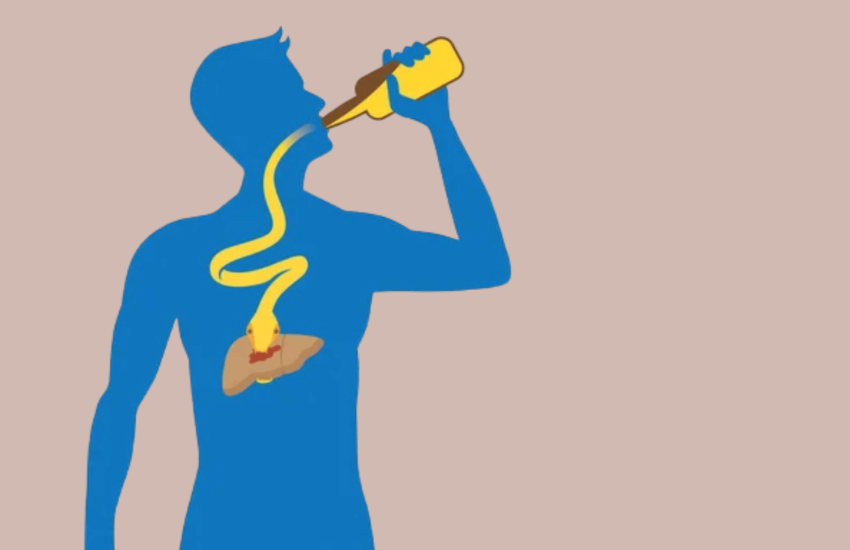
- Avoid alcohol & drugs → These worsen symptoms and speed up brain decline.
- Manage stress → Meditation, yoga, or therapy can help balance emotions.
Treatment Options
Although there is no cure, treatments focus on symptom management:
Medications
- Tetrabenazine → Helps control involuntary movements.
- Antidepressants (SSRIs, SNRIs) → Reduce depression and anxiety.
- Antipsychotics → Help with agitation and mood changes.
Therapies
- Physical therapy → Improves mobility and balance.
- Occupational therapy → Assists with daily tasks.
- Speech therapy → Helps with swallowing and communication.
Supportive Care
- Nutritional support for swallowing difficulties.
- Counseling for both patients and families.
- Support groups to share experiences and coping strategies.
When to See a Doctor
You should consult a healthcare professional if:
- You have a family history of Huntington’s disease.
- You notice unexplained movement problems (jerking, stiffness).
- You or a loved one experience sudden mood changes, memory issues, or clumsiness.
- You want to discuss genetic testing and family planning options.
Early diagnosis can help start treatment sooner and plan for the future.
Conclusion
Huntington’s disease may be rare, but its impact is profound. By understanding the 7 key facts about this condition, families and individuals can make informed decisions, seek early care, and lean on available resources.
While we wait for a cure, science is advancing every year — and with proper support, people with HD can still live meaningful lives. Remember, knowledge is power, and awareness is the first step toward hope.