
10 Signs It’s Time to Take Your Health Seriously Before It’s Too Late
Introduction
Your health is your greatest wealth—but often, we only notice problems when they’ve already escalated. Small, subtle signs may appear long before serious illness sets in. Recognizing these early warnings can help you take action, prevent complications, and enjoy a healthier, longer life. This guide will walk you through the top 10 signs that indicate it’s time to pay attention to your health, along with practical tips, prevention strategies, and guidance on when to seek professional help.
What Is “10 Signs It’s Time to Take Your Health Seriously Before It’s Too Late”?
Taking your health seriously means proactively monitoring your body, understanding warning signs, and adopting lifestyle changes that prevent illness. These 10 signs are signals your body sends when it needs attention—ranging from fatigue and sleep issues to sudden weight changes. By recognizing them early, you can prevent chronic conditions such as heart disease, diabetes, or even mental health issues.
Causes / Risk Factors
Several factors can increase the likelihood of developing health problems:
- Poor Diet: High intake of processed foods, sugars, and unhealthy fats.
- Sedentary Lifestyle: Lack of regular exercise leads to obesity, cardiovascular issues, and low energy.
- Stress & Mental Health Strain: Chronic stress affects immunity and heart health.
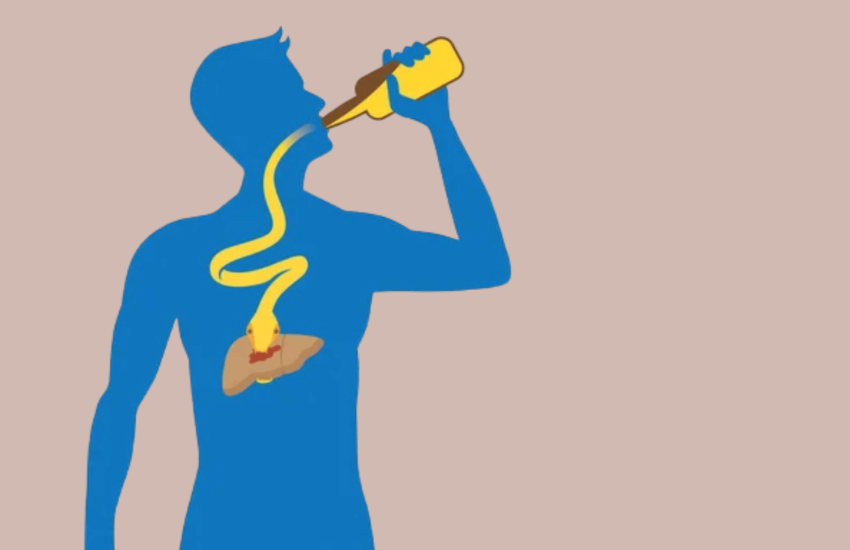
- Smoking & Alcohol Use: Increases risk of liver disease, cancer, and cardiovascular problems.
- Family History: Genetics can predispose you to certain conditions like diabetes or heart disease.
- Aging: As you age, your body naturally becomes more vulnerable to chronic conditions.
- Sleep Deprivation: Poor sleep impacts metabolism, mental health, and immune function.
Symptoms & Signs
Here are the 10 most common warning signs you shouldn’t ignore:
- Persistent Fatigue: Feeling constantly tired despite adequate rest may indicate anemia, thyroid issues, or chronic stress.
- Unexplained Weight Changes: Sudden weight gain or loss can signal hormonal imbalances, diabetes, or gastrointestinal problems.
- Chronic Pain or Discomfort: Ongoing headaches, back pain, or joint pain could indicate underlying conditions.
- Digestive Issues: Frequent bloating, constipation, diarrhea, or heartburn may suggest gut health problems.
- Shortness of Breath or Chest Pain: Could be signs of cardiovascular issues or respiratory conditions.
- Skin Changes: New moles, rashes, or persistent dryness can indicate vitamin deficiencies or more serious conditions.
- Frequent Illness or Infections: Weak immunity may signal nutritional deficiencies or chronic illness.
- Mood Changes or Brain Fog: Anxiety, depression, or difficulty concentrating can be early signs of hormonal imbalances or nutrient deficiencies.
- Sleep Problems: Insomnia, snoring, or restless sleep affects physical and mental health.
- Changes in Urination or Bowel Habits: Could indicate kidney issues, diabetes, or digestive problems.
Prevention & Healthy Habits
Preventive strategies are key to maintaining optimal health. Here are practical tips:
- Eat a Balanced Diet: Include fruits, vegetables, whole grains, lean proteins, and healthy fats.
- Exercise Regularly: Aim for at least 150 minutes of moderate activity weekly.
- Manage Stress: Practice mindfulness, meditation, or yoga.
- Prioritize Sleep: Aim for 7–9 hours per night.
- Limit Alcohol & Avoid Smoking: Reduce risk of chronic illnesses.
- Regular Health Screenings: Early detection of conditions like diabetes, hypertension, or cancer saves lives.
- Hydration: Drink enough water daily to support organ function and digestion.
- Mental Health Care: Seek therapy or counseling when needed.
Treatment Options
Depending on the underlying issue, treatment may include:
- Medical Interventions: Prescription medications, physical therapy, or surgery.
- Nutritional Supplements: Vitamins and minerals to correct deficiencies.
- Lifestyle Changes: Weight management, exercise programs, and dietary adjustments.
- Holistic Approaches: Yoga, acupuncture, or meditation for stress relief.
- Monitoring Chronic Conditions: Regular check-ups and adherence to treatment plans.
When to See a Doctor
Seek professional advice if you notice:
- Persistent or worsening symptoms.
- Sudden, unexplained weight changes.
- Chest pain, difficulty breathing, or fainting.
- Severe mood changes or cognitive decline.
- Frequent infections or persistent illness.
Early intervention can prevent minor issues from escalating into life-threatening conditions.
Conclusion
Your body communicates with you constantly. By paying attention to these 10 warning signs, adopting healthy habits, and seeking medical guidance when necessary, you can protect your health and live a vibrant life. Don’t wait until it’s too late—start taking care of yourself today.