11 Early Warning Signs of Mental Exhaustion You Must Pay Attention To
Introduction
Have you ever felt like your brain just can’t keep up anymore—no matter how much you sleep, rest, or try to relax? That heavy, drained feeling you can’t shake might not just be “normal stress.” It could be mental exhaustion.
In today’s fast-paced world, our minds are constantly working overtime—juggling work deadlines, family responsibilities, endless notifications, and personal struggles. Over time, this nonstop mental load can lead to burnout and even affect your physical health.
Recognizing the early warning signs of mental exhaustion is the first step toward preventing long-term consequences such as anxiety, depression, or chronic fatigue. In this guide, we’ll explore the most common signs, causes, and practical steps you can take to protect your mental well-being.
What is Mental Exhaustion?
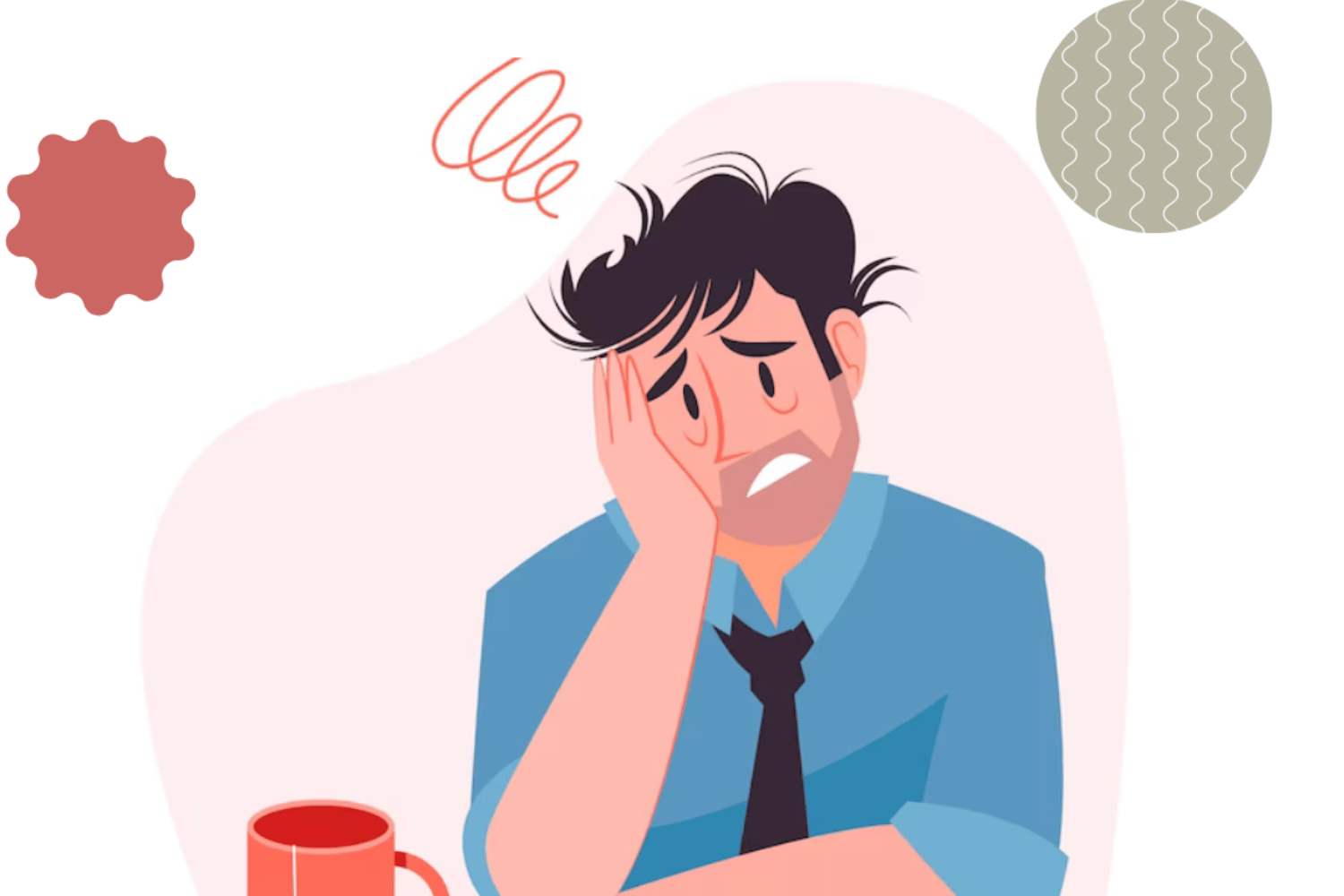
Mental exhaustion (also called mental fatigue) is a state of extreme tiredness that affects your thoughts, emotions, and overall functioning. Unlike physical tiredness—which can usually be fixed with rest—mental exhaustion lingers even after sleep.
It often develops gradually, starting with everyday stress and escalating into a state where your brain feels “overheated,” making concentration, motivation, and emotional balance difficult.
Researchers describe mental exhaustion as a key component of burnout syndrome, which is recognized by the World Health Organization (WHO) as an occupational phenomenon. While it’s not a medical diagnosis on its own, it is a serious condition that can impact both mental and physical health if ignored.
Causes and Risk Factors
Several factors can contribute to mental exhaustion. Some of the most common include:
- Chronic Stress – Ongoing work pressure, financial struggles, or personal problems.
- Overcommitment – Trying to juggle too many responsibilities at once.
- Perfectionism – Setting unrealistic expectations for yourself.
- Sleep Deprivation – Poor quality sleep makes the brain less resilient to stress.
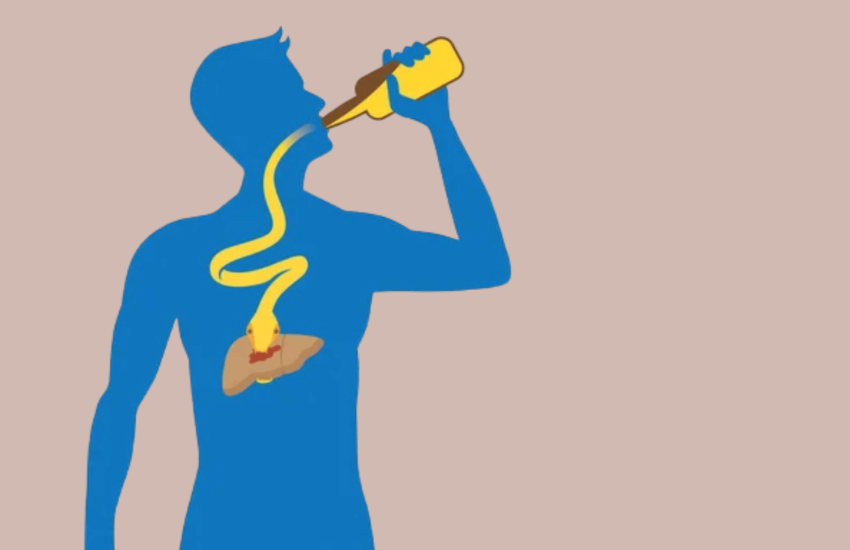
- Unhealthy Lifestyle – Poor diet, lack of exercise, or excessive caffeine/alcohol.
- Emotional Trauma – Loss, relationship issues, or unresolved emotional struggles.
- Workplace Factors – Toxic environments, long hours, lack of support.
👉 People in high-pressure professions (healthcare workers, teachers, corporate employees, caregivers) are especially at risk.
11 Early Warning Signs of Mental Exhaustion You Must Pay Attention To
If you notice these signs, your mind may be signaling that it needs rest and care:
- Constant Fatigue – Feeling tired even after a full night’s sleep.
- Difficulty Concentrating – Trouble focusing, making decisions, or remembering details.
- Irritability or Mood Swings – Small inconveniences trigger big emotional reactions.
- Loss of Motivation – Struggling to find energy or purpose in daily activities.
- Anxiety and Overthinking – Constant racing thoughts or worrying about everything.
- Sleep Disturbances – Trouble falling asleep, waking up often, or oversleeping.
- Physical Symptoms – Headaches, muscle tension, digestive issues, or palpitations.
- Isolation – Withdrawing from friends, family, or social activities.
- Neglecting Self-Care – Skipping meals, ignoring hygiene, or relying on junk food.
- Feeling Detached or Numb – A sense of disconnection from yourself or others.
- Increased Mistakes – More errors at work or daily tasks due to mental fog.
⚠️ Ignoring these warning signs may push you toward burnout or even serious mental health conditions.
Prevention and Healthy Habits
The best way to deal with mental exhaustion is to prevent it before it gets worse. Here are science-backed tips:
- Prioritize Sleep – Aim for 7–9 hours of quality sleep.
- Set Boundaries – Learn to say “no” to unnecessary commitments.
- Take Breaks – Use the 20-20-20 rule (every 20 minutes, look at something 20 feet away for 20 seconds).
- Stay Active – Exercise boosts mood and reduces stress hormones.
- Practice Mindfulness – Meditation, breathing exercises, or journaling can calm the mind.
- Eat Brain-Friendly Foods – Omega-3s, whole grains, fruits, and vegetables.
- Limit Caffeine & Alcohol – They worsen anxiety and sleep issues.
- Social Support – Stay connected with loved ones for emotional balance.
Treatment Options
If prevention isn’t enough, you may need additional support.
Medical Approaches
- Therapy – Cognitive Behavioral Therapy (CBT) helps manage stress and reframe negative thought patterns.
- Medication – In some cases, doctors may prescribe antidepressants or anti-anxiety medication.
- Professional Support – Talking to a psychologist, counselor, or psychiatrist.
Natural & Lifestyle Approaches
- Mind-Body Practices – Yoga, tai chi, or meditation.
- Digital Detox – Reducing screen time and avoiding work emails after hours.
- Nature Therapy – Spending time outdoors improves mental clarity.
- Creative Outlets – Art, music, or hobbies that give your brain a break.
When to See a Doctor
You should seek professional help if:
- Your symptoms persist for more than a few weeks.
- You struggle to perform daily responsibilities.
- You notice severe mood changes, panic attacks, or depressive symptoms.
- You have thoughts of self-harm or hopelessness.
👉 Don’t wait until exhaustion turns into a mental health crisis—early intervention can make recovery easier and faster.
Conclusion
Mental exhaustion is more than just “being tired.” It’s your brain and body’s way of telling you that something needs to change. By recognizing the 11 early warning signs, addressing root causes, and practicing healthy habits, you can protect your mental well-being before it escalates into burnout.
Remember: Taking care of your mind is not a luxury—it’s a necessity for a healthier, happier life.