5 Summer Health Red Flags You Must Pay Attention To
Introduction
Summer is the season of sunshine, beach trips, outdoor adventures, and long days filled with fun. But while summer brings joy, it also brings unique health risks that are often overlooked. Many people dismiss common symptoms—like fatigue, dizziness, or excessive thirst—as “normal summer discomfort,” when in fact, these could be warning signs of something more serious.
Ignoring these signals can put your health at risk, especially with rising global temperatures and more frequent heatwaves. In this article, we’ll uncover five critical summer health red flags you should never ignore, explain their causes, symptoms, and provide practical tips for prevention and treatment. By the end, you’ll know how to keep yourself and your loved ones safe during the hottest months of the year.
What Are Summer Health Red Flags?
Summer health red flags are warning signs or symptoms that your body gives you when it’s under stress from heat, sun exposure, dehydration, or other seasonal factors. While some may seem harmless at first—like mild headaches or sunburn—they can quickly escalate into severe conditions such as heatstroke, dehydration shock, or skin damage if left untreated.
Think of these warning signs as your body’s “emergency signals.” Recognizing them early could mean the difference between a quick recovery and a medical emergency.
Causes and Risk Factors
Several factors contribute to health risks during summer, including:
- High Temperatures: Prolonged exposure to extreme heat stresses the body, leading to heat exhaustion or heatstroke.
- Sun Exposure: UV rays damage skin cells, increasing risks of burns, premature aging, and even skin cancer.
- Dehydration: Increased sweating and inadequate water intake can quickly deplete body fluids.
- Outdoor Activities: Hiking, sports, and beach trips can expose you to higher risks of injury, bites, or infections.
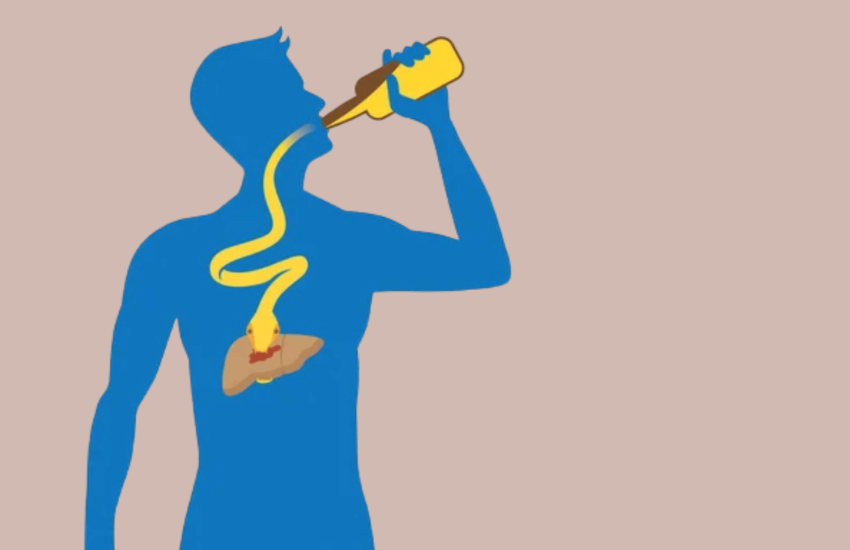
- Diet and Lifestyle: Excessive alcohol, caffeinated drinks, and poor hydration habits worsen summer health issues.
- Vulnerable Groups: Children, the elderly, and people with chronic health conditions are at higher risk.
5 Summer Health Red Flags You Must Pay Attention To
1. Severe Dehydration
Dehydration is one of the most common yet underestimated summer health dangers.
Warning signs include:
- Extreme thirst
- Dry mouth and cracked lips
- Dark yellow urine or reduced urination
- Dizziness or lightheadedness
- Fatigue and confusion
If left untreated, dehydration can lead to heat exhaustion or even kidney problems.
2. Heat Exhaustion & Heatstroke
When your body overheats and can’t cool down, it can progress from heat exhaustion to the life-threatening condition known as heatstroke.
Symptoms to watch for:
- Heavy sweating followed by sudden dry skin
- Nausea or vomiting
- Rapid heartbeat
- Confusion or disorientation
- High body temperature (over 104°F / 40°C)
⚠️ Immediate medical attention is required for heatstroke.
3. Severe Sunburn or Skin Damage
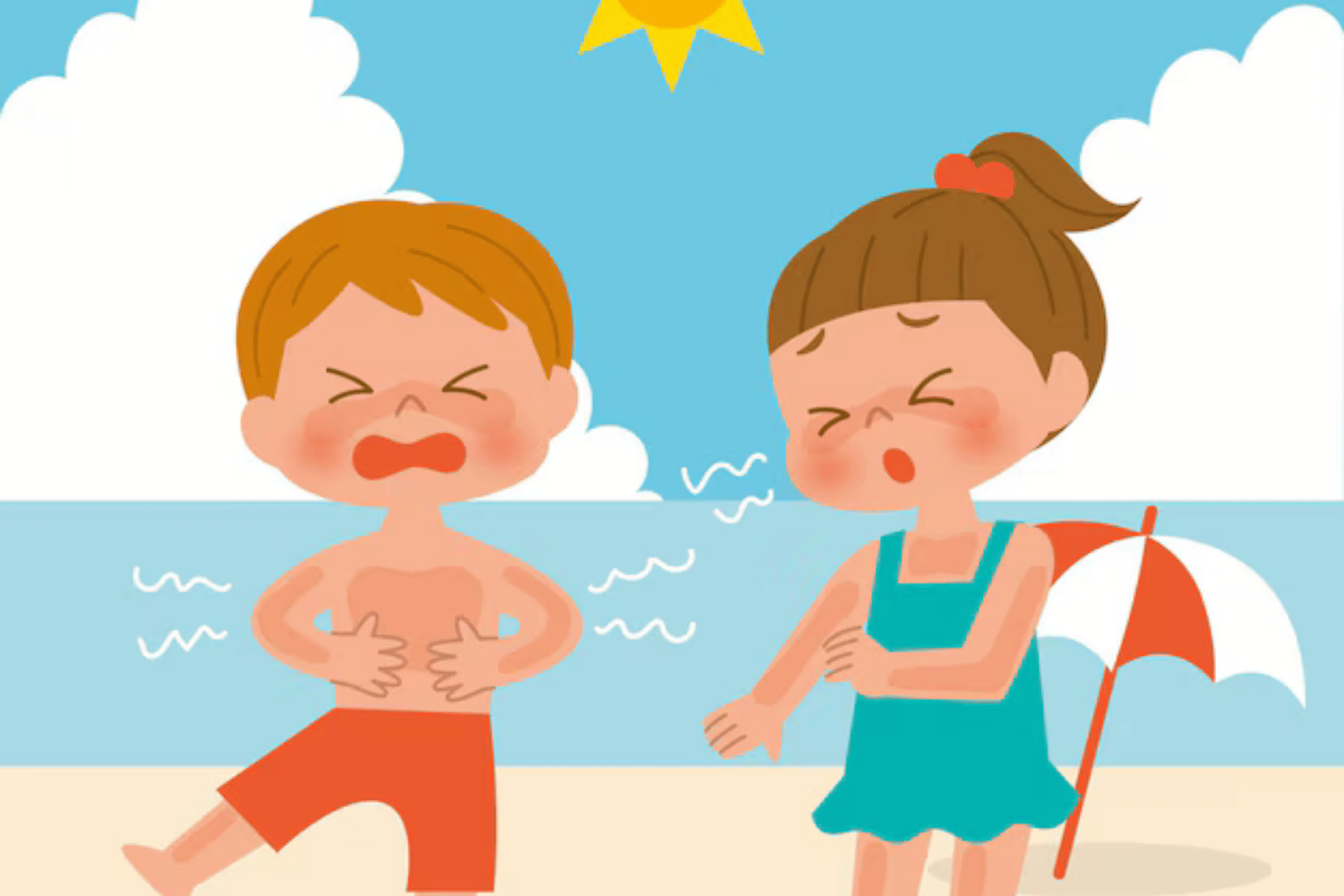
While a little tan may seem harmless, sunburn is actually skin cell damage caused by UV radiation. Repeated burns increase your risk of skin cancer.
Red flags include:
- Painful red skin that feels hot to the touch
- Blistering or peeling skin
- Fever or chills associated with sunburn
- Dark spots or unusual skin growths
4. Unusual Fatigue and Dizziness
If you feel constantly tired, lightheaded, or weak in the summer, don’t ignore it. These symptoms could signal:
- Electrolyte imbalance from excessive sweating
- Low blood pressure due to heat
- Underlying conditions like anemia or diabetes worsened by the season
5. Persistent Headaches and Nausea
Frequent headaches during summer may not just be from the glare of the sun. They could indicate:
- Dehydration
- Heat-related illnesses
- Migraine triggered by sunlight
- Heat exhaustion progressing toward heatstroke
Prevention & Healthy Habits
- Stay Hydrated: Drink water regularly, even before you feel thirsty. Add fruits like watermelon, cucumber, or lemon for extra hydration.
- Protect Your Skin: Use a broad-spectrum sunscreen (SPF 30+), wear hats, and avoid direct sun between 10 a.m. and 4 p.m.
- Wear Light Clothing: Choose breathable fabrics like cotton or linen.
- Take Breaks: Avoid prolonged outdoor exposure; rest in shaded or air-conditioned areas.
- Balanced Diet: Eat water-rich foods (fruits, salads) and limit alcohol or caffeine.
- Know Your Limits: Don’t push yourself during outdoor activities if you feel weak or dizzy.
Treatment Options
For Dehydration
- Drink oral rehydration solutions (ORS) or electrolyte-rich fluids.
- Avoid sodas and alcohol, which worsen dehydration.
For Heat Exhaustion/Heatstroke
- Move to a cool area immediately.
- Apply cold compresses or take a cool shower.
- Seek emergency medical care if symptoms persist.
For Sunburn
- Apply aloe vera gel or soothing creams.
- Stay out of the sun until skin heals.
- Severe burns with blisters may require medical treatment.
When to See a Doctor
Seek professional medical help if you experience:
- Persistent vomiting or severe dehydration signs
- High fever combined with sunburn or heat exposure
- Confusion, fainting, or seizures
- Rapidly worsening skin blisters or unusual skin changes
- Chronic fatigue or headaches lasting several days
Conclusion
Summer should be a season of joy—not health scares. By paying attention to these five red flags—dehydration, heatstroke, sunburn, dizziness, and headaches—you can protect your health and enjoy summer safely. Listen to your body, stay hydrated, protect your skin, and don’t hesitate to seek medical help if something feels wrong.
Remember: prevention is always better than cure.