
16 Warning Signs of Thyroid Hormone Imbalance You Must Not Ignore
Introduction
Have you ever felt constantly tired, gained or lost weight for no reason, or struggled with mood swings that didn’t seem to make sense? These could be more than just “everyday stress.” In many cases, they’re linked to your thyroid—a small butterfly-shaped gland in your neck that plays a huge role in controlling your body’s metabolism, energy, and hormones.
Thyroid problems are surprisingly common. According to the American Thyroid Association, around 20 million Americans suffer from some form of thyroid disorder, and up to 60% of them don’t even know it. That’s why learning to recognize the warning signs of thyroid hormone imbalance is essential.
In this article, we’ll explore 16 key symptoms you should never ignore, along with causes, risk factors, prevention tips, treatment options, and when to seek medical help.
What is Thyroid Hormone Imbalance?
Your thyroid gland produces two main hormones: T3 (triiodothyronine) and T4 (thyroxine). These hormones regulate metabolism, body temperature, heart rate, and even mood. When the thyroid produces too little (hypothyroidism) or too much (hyperthyroidism), it creates a hormonal imbalance.
- Hypothyroidism = Low thyroid hormone levels (slows body functions).
- Hyperthyroidism = High thyroid hormone levels (speeds up body functions).
If left untreated, thyroid imbalances can lead to complications like heart disease, infertility, osteoporosis, and severe fatigue.
Causes and Risk Factors of Thyroid Imbalance
Several factors can disrupt thyroid function:
- Autoimmune diseases – Hashimoto’s thyroiditis (hypothyroidism) or Graves’ disease (hyperthyroidism).
- Iodine deficiency or excess – Essential for thyroid hormone production.
- Genetics – Family history increases risk.
- Hormonal changes – Pregnancy, menopause, or puberty.
- Certain medications – Lithium, amiodarone, and others.
- Chronic stress – Can disrupt hormone regulation.
- Radiation exposure – To the head, neck, or chest.
16 Warning Signs of Thyroid Hormonal Imbalance
If you notice several of these signs, it may be worth discussing with your doctor:
- Unexplained weight gain or loss
- Persistent fatigue and low energy
- Mood swings, anxiety, or depression
- Difficulty concentrating or brain fog
- Hair thinning or hair loss
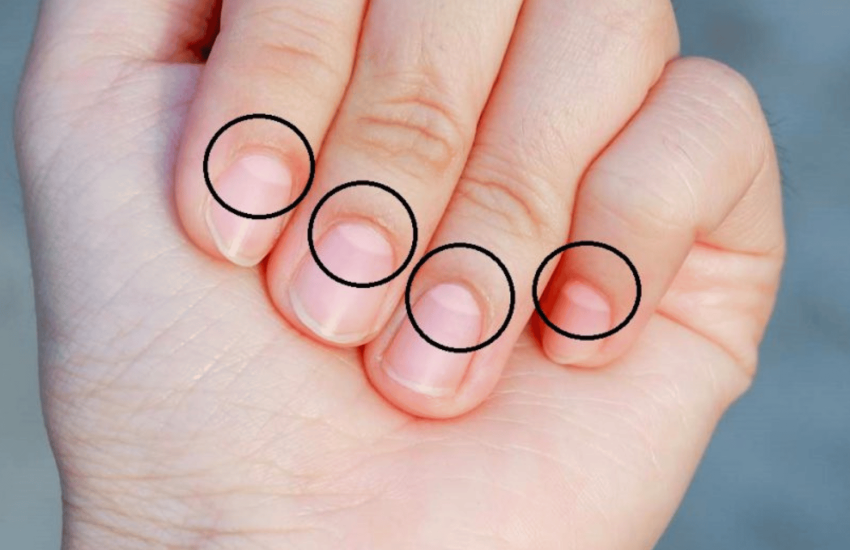
- Dry skin or brittle nails
- Irregular menstrual cycles or fertility issues
- Increased sensitivity to cold or heat
- Swelling in the neck (goiter)
- Hoarseness or voice changes
- Heart palpitations or irregular heartbeat
- Digestive issues (constipation or diarrhea)
- Muscle weakness or joint pain
- Puffy face or swollen eyes
- Slow or rapid pulse
- Sleep disturbances (insomnia or oversleeping)
⚠️ Note: These symptoms can overlap with other health conditions, which is why proper diagnosis is essential.
Prevention and Healthy Habits
While not all thyroid issues can be prevented, these lifestyle habits may support thyroid health:
- Eat iodine-rich foods – Seaweed, iodized salt, fish, dairy.
- Include selenium and zinc – Brazil nuts, pumpkin seeds, whole grains.
- Manage stress – Meditation, yoga, breathing exercises.
- Exercise regularly – Supports metabolism and hormone balance.
- Limit processed foods – Especially those high in sugar and trans fats.
- Avoid smoking and excessive alcohol – Both can affect thyroid function.
- Regular check-ups – Especially if you have a family history.
Treatment Options
Treatment depends on whether you have hypothyroidism or hyperthyroidism.
- For Hypothyroidism:
- Medication: Levothyroxine (synthetic T4) is the standard treatment.
- Lifestyle support: Balanced diet, exercise, stress management.
- For Hyperthyroidism:
- Medication: Anti-thyroid drugs (methimazole, propylthiouracil).
- Radioactive iodine therapy: Destroys overactive thyroid cells.
- Surgery: In severe cases, partial or full thyroid removal.
- Natural Approaches (with doctor’s guidance):
- Herbal support (ashwagandha, bladderwrack).
- Nutrient optimization (vitamin D, selenium, zinc).
- Anti-inflammatory diet.
When to See a Doctor
See a healthcare provider if you experience:
- Persistent fatigue, weight changes, or mood swings.
- Noticeable neck swelling or difficulty swallowing.
- Heart palpitations, irregular heartbeat, or tremors.
- Severe constipation or diarrhea lasting more than a few weeks.
Early diagnosis often means easier management and fewer complications.
Conclusion
Your thyroid may be small, but its impact on your overall health is massive. Recognizing the 16 warning signs of thyroid hormone imbalance can help you take proactive steps toward diagnosis, treatment, and prevention.
By making healthy lifestyle choices, seeking medical advice when necessary, and staying informed, you can protect your thyroid health—and your overall well-being.