Warning Signs Your Body Is Breaking Down
Introduction
Have you ever felt more tired than usual, noticed strange aches, or realized your body just doesn’t feel the same as it used to? Many people dismiss these changes as “normal aging” or just being stressed out. But in reality, your body often sends early warning signs when your health is starting to decline. Recognizing these signals can make the difference between catching a problem early—or letting it become serious.
In this guide, we’ll explore the warning signs your body is breaking down, the causes behind them, prevention strategies, and when to see a doctor. Whether you’re in your 20s or 60s, staying informed about your body’s health is key to living a longer, healthier life.
What Are the Warning Signs Your Body Is Breaking Down?
When we talk about the body “breaking down,” we don’t mean it’s falling apart overnight. Instead, this refers to the gradual decline in physical, mental, or cellular health due to factors like poor lifestyle habits, aging, or chronic illness.
This process can show up in different ways:
- Feeling constantly fatigued despite resting
- Losing strength or mobility
- Experiencing unexplained pain or digestive problems
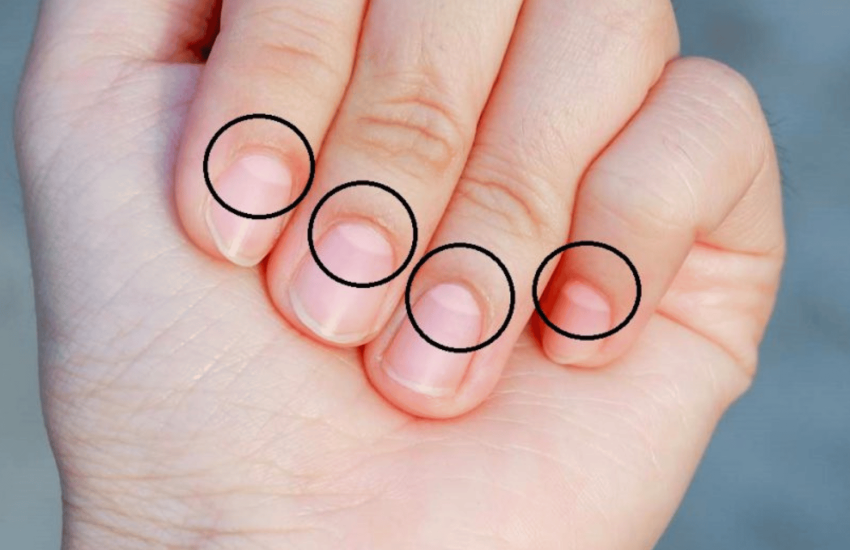
- Seeing changes in skin, hair, or nails
The human body is resilient, but ignoring these warning signs may accelerate deterioration. Fortunately, most of these issues can be slowed—or even reversed—with the right choices.
Causes and Risk Factors
Several factors contribute to the body’s decline. Understanding them helps you take preventive action.
1. Poor Nutrition
- Diets high in processed foods, sugar, and unhealthy fats lead to inflammation, weight gain, and nutrient deficiencies.
- Lack of vitamins like B12, vitamin D, and minerals such as magnesium may cause fatigue, muscle weakness, or bone loss.
2. Sedentary Lifestyle
- Lack of exercise weakens muscles, reduces bone density, and lowers cardiovascular health.
- Sitting too long daily increases risks of obesity, diabetes, and heart disease.
3. Chronic Stress
- Constant stress releases cortisol, which over time harms the immune system, digestion, and brain function.
4. Poor Sleep Habits
- Inadequate rest affects hormone balance, immunity, and cognitive performance.
5. Substance Use
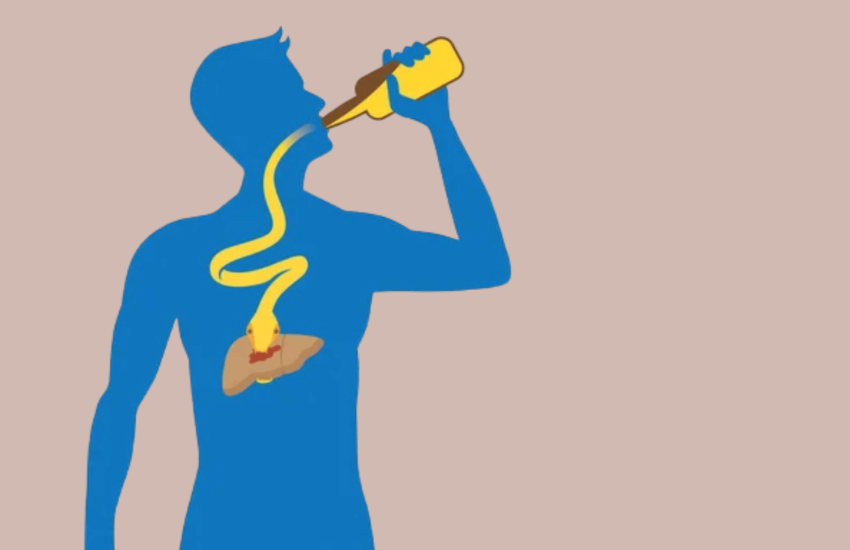
- Smoking, alcohol, and drug use accelerate aging, damage organs, and weaken the body’s defense systems.
6. Underlying Health Conditions
- Conditions like diabetes, hypertension, thyroid issues, or autoimmune disorders often present with subtle early symptoms.
Symptoms & Signs Your Body Is Breaking Down
Here are some common red flags to watch out for:
- Constant fatigue – even after 7–9 hours of sleep.
- Frequent illnesses – colds, infections, or slow healing wounds.
- Digestive issues – bloating, constipation, or unexplained weight changes.
- Memory problems – brain fog, difficulty concentrating.
- Hair loss or brittle nails – may signal nutritional deficiencies.
- Muscle weakness or joint pain – could point to inflammation or bone density loss.
- Shortness of breath – even during light activity.
- Skin changes – dull complexion, dryness, or unexplained rashes.
- Sleep disturbances – insomnia, snoring, or sleep apnea symptoms.
- Unexplained mood changes – irritability, anxiety, or depression.
Prevention & Healthy Habits
The good news? You can protect your body with small, consistent changes:
- Eat a balanced diet: Prioritize whole foods, lean proteins, healthy fats, fruits, and vegetables.
- Stay active: Aim for at least 150 minutes of moderate exercise weekly (walking, cycling, strength training).
- Prioritize sleep: Create a consistent sleep schedule and aim for 7–9 hours per night.
- Manage stress: Try meditation, deep breathing, journaling, or yoga.
- Stay hydrated: Drink 2–3 liters of water daily, depending on your activity level.
- Limit harmful substances: Reduce alcohol, quit smoking, and avoid processed sugar.
- Routine check-ups: Regular blood tests, physical exams, and screenings can catch issues early.
Treatment Options
If you notice symptoms, treatment depends on the underlying cause.
Medical Approaches
- Diagnostic testing: Blood work, imaging, and screenings can identify deficiencies or chronic conditions.
- Medications: Doctors may prescribe supplements (like vitamin D or iron), anti-inflammatory drugs, or treatments for specific conditions.
- Therapies: Physical therapy, counseling, or rehabilitation may be recommended for physical or mental decline.
Natural Approaches
- Nutritional supplements: Omega-3s, probiotics, magnesium, or adaptogenic herbs may support recovery.
- Holistic therapies: Acupuncture, massage, and herbal medicine can complement medical treatments.
- Lifestyle medicine: Focusing on food, movement, sleep, and stress management often provides long-term solutions.
When to See a Doctor
Don’t wait until symptoms worsen. Seek medical help if you experience:
- Sudden, unexplained weight loss or gain
- Chest pain or shortness of breath
- Persistent fatigue despite rest
- Severe digestive issues or blood in stool
- Memory loss or confusion interfering with daily life
- Chronic pain lasting more than a few weeks
Early diagnosis often leads to better treatment outcomes.
Conclusion
Your body is constantly communicating with you. Ignoring its signals can speed up deterioration, but listening and acting early can extend your vitality for years. By paying attention to warning signs, maintaining healthy habits, and seeking medical advice when necessary, you give yourself the best chance to thrive at any age.