10 Signs You Might Not Be Drinking Enough Water
Introduction
Have you ever felt tired, dizzy, or unusually irritable and wondered why? Often, the culprit is simpler than we think—dehydration. Water is vital for nearly every function in your body, from regulating temperature to supporting digestion and cognitive performance. Yet, many people unintentionally consume less than the recommended amount daily. Recognizing the signs that you’re not drinking enough water can help you prevent long-term health problems and boost your overall well-being.
What is Dehydration? (10 Signs You Might Not Be Drinking Enough Water)
Dehydration occurs when your body loses more fluids than it takes in. Even mild dehydration can affect your mood, energy levels, and physical performance. Over time, chronic dehydration may increase the risk of kidney stones, urinary tract infections, and other health issues.
While most people think dehydration only happens during extreme heat or exercise, it can happen subtly in daily life—especially if you consume caffeine, alcohol, or spend long hours indoors without drinking water.
Causes / Risk Factors
Several factors can contribute to not drinking enough water:
- High physical activity: Sweating during exercise increases water loss.
- Hot or dry climates: Heat accelerates fluid loss through sweat.
- Dietary habits: Eating lots of salty, processed foods can increase water needs.
- Age: Older adults often have a reduced sense of thirst, making dehydration more likely.
- Illness: Fever, vomiting, or diarrhea can rapidly deplete fluids.
- Certain medications: Diuretics, some blood pressure drugs, and laxatives can increase water loss.
Symptoms & Signs
Here are 10 common signs that indicate you might not be drinking enough water:
- Dark-colored urine: Pale yellow is ideal; darker shades suggest dehydration.
- Dry mouth and lips: Saliva decreases when the body is low on fluids.
- Fatigue or low energy: Even mild dehydration can impair focus and physical performance.
- Headaches: Dehydration can reduce blood flow and oxygen to the brain.
- Dizziness or lightheadedness: Fluid loss affects blood pressure and balance.
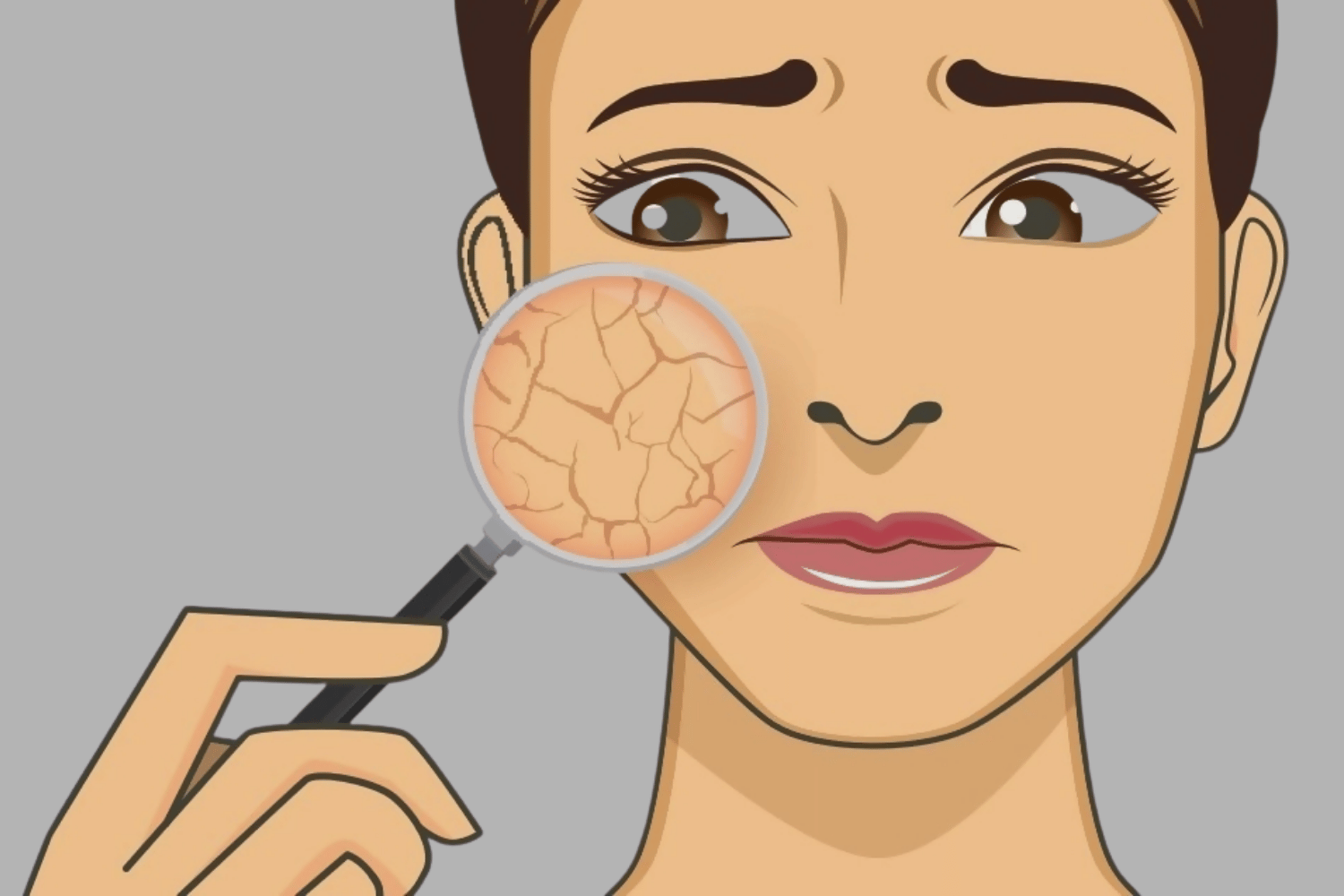
- Dry skin: Water supports skin elasticity and moisture.
- Constipation: Adequate hydration is key for smooth digestion.
- Muscle cramps: Water and electrolytes help prevent cramping.
- Rapid heartbeat: Dehydration can strain the cardiovascular system.
- Mood changes: Irritability, anxiety, or low concentration can be early signs.
Prevention & Healthy Habits
Maintaining optimal hydration doesn’t have to be complicated. Try these practical tips:
- Carry a water bottle: Having water on hand increases intake throughout the day.
- Set reminders: Use apps or phone alarms to drink regularly.
- Eat water-rich foods: Fruits and vegetables like watermelon, cucumber, and oranges contribute to hydration.
- Limit diuretics: Reduce excessive caffeine and alcohol intake.
- Monitor urine color: Keep it light yellow for optimal hydration.
- Adjust for activity: Increase intake during exercise or in hot weather.
Treatment Options
If you notice signs of dehydration, act promptly:
- Mild dehydration: Drink water steadily over a few hours; include electrolytes if needed.
- Moderate dehydration: Oral rehydration solutions (ORS) or electrolyte-rich drinks can help restore balance.
- Severe dehydration: Requires immediate medical attention; intravenous (IV) fluids may be necessary.
Natural approaches, such as coconut water or herbal teas, can also support hydration while providing additional nutrients.
When to See a Doctor
Seek medical attention if:
- You experience persistent dizziness, rapid heartbeat, or fainting.
- Dehydration is accompanied by high fever, vomiting, or diarrhea.
- There’s no improvement after drinking fluids for several hours.
Early intervention prevents complications like kidney issues or electrolyte imbalances.
Conclusion
Hydration is a simple yet crucial part of maintaining health. By recognizing these 10 signs of insufficient water intake, you can take proactive steps to stay hydrated, boost energy, and support overall well-being. Keep a water bottle handy, pay attention to your body’s cues, and make hydration a daily priority—you’ll feel the difference in both body and mind.