
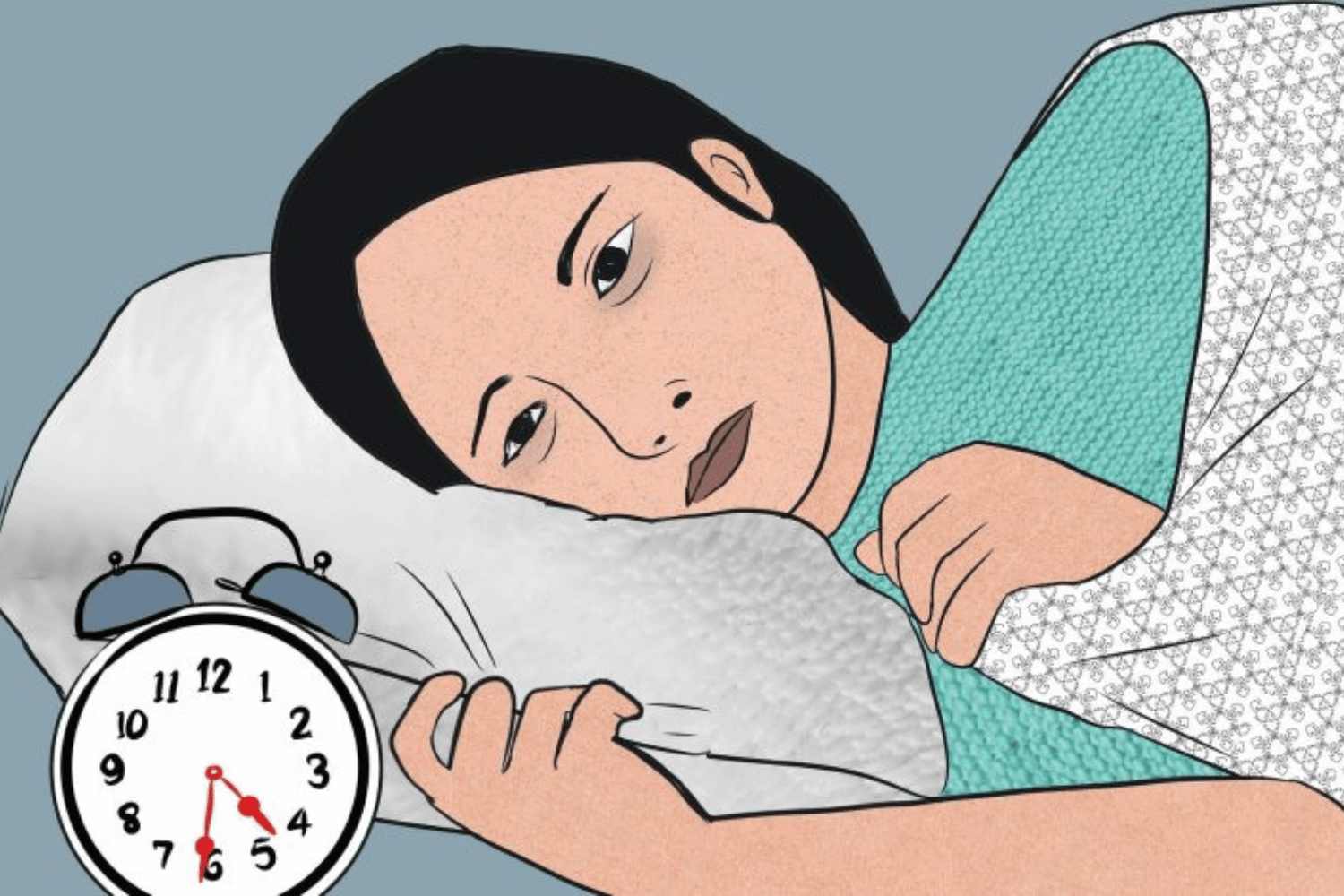
The Real Reason You Often Wake Up Between 3 AM and 5 AM
Introduction
Have you ever found yourself suddenly wide awake at 3 AM, staring at the ceiling, wondering why your body chose this exact time to disrupt your rest? You’re not alone. Millions of people around the world wake up between 3 AM and 5 AM, often struggling to fall back asleep. While some dismiss it as “just stress” or “bad sleep habits,” science shows there may be deeper reasons behind this pattern.
Waking up consistently at these hours could be a sign of underlying sleep disorders, lifestyle imbalances, or even health concerns that deserve your attention. Understanding the causes can help you improve your sleep quality, boost your energy, and protect your overall health.
In this article, we’ll explore the real reasons you often wake up between 3 AM and 5 AM, what it means for your health, and practical steps you can take to sleep better.
What Does It Mean to Wake Up Between 3 AM and 5 AM?
Waking up in the early hours of the morning isn’t uncommon. In fact, your sleep follows natural cycles called sleep stages (light sleep, deep sleep, and REM sleep). Around 3–5 AM, many people transition between these cycles, making them more prone to waking up.
However, if this happens frequently and disrupts your rest, it could indicate:
- A medical condition (like sleep apnea, anxiety, or blood sugar fluctuations).
- A lifestyle factor (stress, caffeine, alcohol, or irregular sleep schedules).
- A natural body rhythm responding to hormones such as cortisol and melatonin.
While some spiritual traditions associate waking up at these times with “energy channels” or “emotional processing,” the scientific explanation is usually tied to your body clock (circadian rhythm) and health factors.
Common Causes and Risk Factors
1. Stress and Anxiety
- Stress triggers the release of cortisol, a hormone that can disrupt deep sleep.
- Anxiety often causes racing thoughts at night, making it difficult to stay asleep.
2. Blood Sugar Imbalances
- A drop in blood sugar (hypoglycemia) may cause your body to release adrenaline, waking you up.
- This is common in people with diabetes or those who skip dinner.
3. Hormonal Changes
- Cortisol levels naturally rise in the early morning to prepare your body for waking up. If imbalanced, this surge may cause premature awakening.
- Women experiencing menopause or PMS often notice sleep disruptions during this window.
4. Sleep Apnea and Breathing Problems
- Sleep apnea causes brief pauses in breathing, often waking sufferers between 3–5 AM.
- Symptoms usually include loud snoring, dry mouth, and morning headaches.
5. Poor Sleep Hygiene
- Late-night caffeine, alcohol, or heavy meals can interfere with deep sleep.
- Using screens before bed suppresses melatonin (the sleep hormone).
6. Aging
- As people age, their sleep architecture changes. They spend less time in deep sleep, making early awakenings more likely.
Symptoms and Signs to Watch For
If waking up between 3 AM and 5 AM is more than a rare occurrence, you may also notice:
- Difficulty falling back asleep
- Daytime fatigue and low energy
- Mood swings or irritability
- Difficulty concentrating during the day
- Snoring or gasping for breath (possible sleep apnea)
- Night sweats or heart palpitations
Prevention and Healthy Habits for Better Sleep
Here are practical lifestyle adjustments to reduce early awakenings:
Improve Sleep Hygiene
- Go to bed and wake up at the same time daily.
- Keep your bedroom cool, dark, and quiet.
- Avoid screens (phones, laptops, TV) at least 1 hour before bed.
Manage Stress and Anxiety
- Try relaxation techniques like deep breathing, meditation, or journaling.
- Limit stressful activities (like checking emails) before bedtime.
Balance Nutrition
- Avoid heavy, spicy, or sugary meals before bedtime.
- A light snack with protein (like yogurt or nuts) can prevent nighttime blood sugar dips.
Limit Stimulants
- Cut back on caffeine (especially after 2 PM).
- Reduce alcohol, which disrupts sleep quality.
Exercise Regularly
- Aim for at least 30 minutes of physical activity daily.
- Avoid intense workouts close to bedtime.
Treatment Options
Medical Treatments
- Sleep apnea: May require CPAP machines or other breathing devices.
- Insomnia: Doctors may prescribe short-term sleep aids or recommend Cognitive Behavioral Therapy for Insomnia (CBT-I).
- Hormonal issues: Treatment may include hormone replacement therapy or natural supplements (under medical guidance).
Natural Remedies
- Herbal teas (chamomile, valerian root) can promote relaxation.
- Magnesium supplements may improve sleep quality.
- Aromatherapy with lavender oil can help calm the nervous system.
When to See a Doctor
Seek professional advice if:
- You wake up at 3–5 AM every night and feel exhausted during the day.
- You experience snoring, choking, or gasping at night.
- You notice night sweats, chest pain, or irregular heartbeat.
- Sleep problems last longer than 3 weeks despite lifestyle changes.
Conclusion
Waking up between 3 AM and 5 AM occasionally is normal, but if it becomes a nightly routine, it could be your body’s way of signaling an underlying issue. From stress and blood sugar imbalances to sleep disorders, the causes vary widely—but the good news is, most are treatable.
By improving your sleep hygiene, managing stress, and seeking medical help when necessary, you can regain restful nights and wake up feeling refreshed. Remember: quality sleep is not a luxury, it’s a foundation for good health.