What Are Those Red Spots on Your Skin? Explained
Introduction
Have you ever looked in the mirror and noticed small red dots on your skin? Maybe they appeared suddenly, or perhaps they’ve been there for a while without causing any pain. While red spots are usually harmless, they can sometimes indicate an underlying health issue. Because your skin is your body’s largest organ, changes on its surface can be a window into your overall health.
In this article, we’ll explore the possible causes of red spots on the skin, what they mean, and when it might be time to see a doctor.
What Are Red Spots on the Skin?
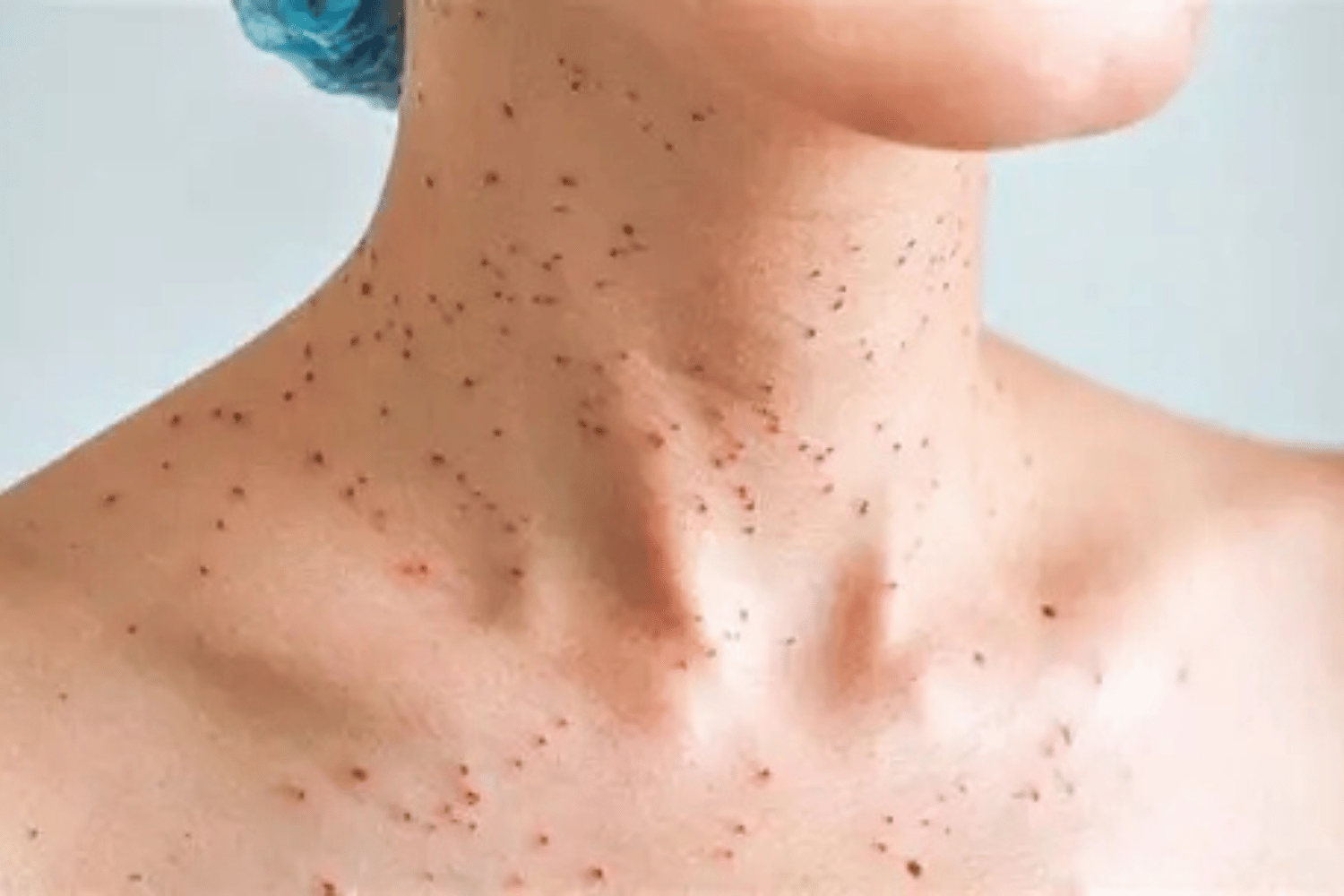
Red spots on the skin are patches, dots, or marks that vary in size, shape, and texture. They can appear anywhere on the body and may be temporary or persistent. Medically, these spots can result from various conditions, ranging from mild allergic reactions to more serious issues like infections or vascular problems.
Understanding the root cause is key because not all red spots are the same. Some fade on their own, while others require medical attention.
Common Causes and Risk Factors
Red spots can stem from different triggers. Below are the most common causes:
1. Allergic Reactions
- Caused by food, medication, skincare products, or environmental allergens.
- Typically associated with itching, swelling, or hives.
2. Skin Conditions
- Eczema: Leads to inflamed, itchy patches.
- Psoriasis: Red, scaly plaques often on elbows, knees, or scalp.
- Rosacea: Facial redness and small bumps.
3. Infections
- Viral infections (chickenpox, measles, hand-foot-and-mouth disease).
- Fungal infections (ringworm).
- Bacterial infections (impetigo, cellulitis).
4. Petechiae and Purpura
- Tiny pinpoint red or purple dots caused by bleeding under the skin.
- May signal a blood clotting disorder, vitamin deficiency, or infection.
5. Heat Rash (Prickly Heat)
- Appears as clusters of tiny red bumps during hot, humid weather.
6. Cherry Angiomas
- Benign growths of blood vessels, common in adults over 30.
7. Serious Conditions
- Certain cancers (like leukemia) or autoimmune diseases can present with red spots. While rare, they should not be ignored if accompanied by other concerning symptoms.
Symptoms & Signs to Watch For
Not all red spots are the same. Here are some ways to differentiate them:
- 🔴 Flat vs. Raised: Flat patches may indicate bleeding under the skin, while raised bumps often point to irritation or allergy.
- 🔴 Itchy or Painful: Suggests allergy, eczema, or infection.
- 🔴 Spreading Rapidly: May indicate an allergic reaction, infection, or heat rash.
- 🔴 Associated Symptoms: Fever, fatigue, or unexplained bruising should be taken seriously.
- 🔴 Color Changes: Red spots that turn purple, brown, or black may require urgent evaluation.
Prevention & Healthy Habits
While not all red spots can be prevented, healthy habits can reduce your risk:
- ✅ Practice good skincare: Use gentle cleansers and moisturizers.
- ✅ Protect from sun exposure: Apply sunscreen to avoid sunburn and skin damage.
- ✅ Maintain a balanced diet: Rich in vitamins C, D, and K for healthy skin and blood vessels.
- ✅ Stay hydrated: Water supports skin health and healing.
- ✅ Avoid allergens: Identify and limit exposure to triggers like certain foods, detergents, or cosmetics.
- ✅ Keep skin cool and dry: Helps prevent heat rash.
Treatment Options
Medical Treatments
- Antihistamines: For allergic reactions.
- Topical corticosteroids: To reduce inflammation from eczema or psoriasis.
- Antibiotics/antifungals: For bacterial or fungal infections.
- Laser therapy or removal: For cherry angiomas.
Natural & Home Remedies
- Aloe vera gel: Soothes irritation and inflammation.
- Oatmeal baths: Calm itchy skin.
- Cold compresses: Reduce redness and swelling.
- Coconut oil: Moisturizes dry, irritated skin.
⚠️ Important: Always consult a healthcare professional before starting any treatment.
When to See a Doctor
Seek medical advice if you notice:
- Red spots spreading quickly.
- Spots accompanied by fever, chills, or body aches.
- Painful, blistering, or pus-filled lesions.
- Unexplained bruising or bleeding under the skin.
- Persistent spots lasting longer than two weeks.
Early medical evaluation can rule out serious conditions and provide peace of mind.
Conclusion
Red spots on your skin can be harmless, like cherry angiomas, or they might signal an allergy, infection, or even a more serious health concern. Paying attention to your body and understanding the potential causes can help you take the right steps toward treatment and prevention.
When in doubt, don’t ignore your skin’s warning signs—consult a healthcare professional. Remember, healthy skin reflects a healthy you.