20 Commonly Ignored Cancer Symptoms You Should Never Overlook
Our bodies constantly send signals about our health. Some changes may seem minor, but they can indicate serious conditions, including cancer. Unfortunately, many early warning signs are often overlooked or mistaken for less serious problems.
Recognizing these subtle symptoms can be life-saving, as early detection greatly improves treatment outcomes.
In this guide, we explore 20 commonly ignored cancer symptoms, their potential causes, and practical ways to reduce your risk.
1. Unexplained Weight Loss
Sudden weight loss without dieting or exercise may indicate pancreatic, lung, or stomach cancer. Don’t ignore unexplained drops in weight, even if they seem positive.
2. Persistent Fatigue
Extreme tiredness that doesn’t improve with rest could be a sign of colon cancer or leukemia.
3. Unexplained Fever
Recurring fever without a clear cause may indicate leukemia or lymphoma, especially if accompanied by night sweats.
4. Chronic Pain
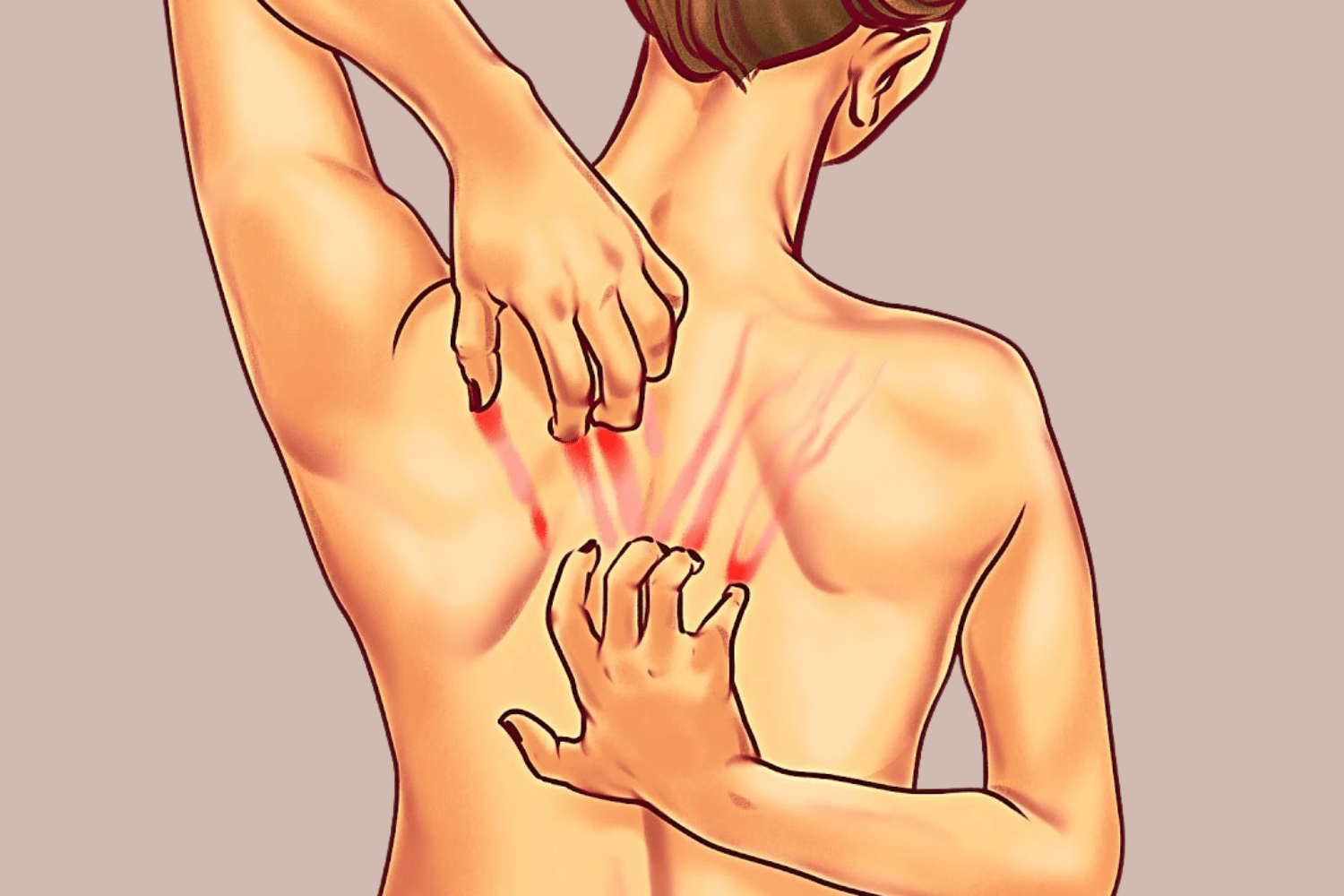
Persistent headaches, back pain, or other unexplained pain may be linked to cancer, especially if other treatments fail to relieve it.
5. Skin Changes
Watch for unusual moles, yellowing of the skin or eyes, darkened skin, itching, or excessive hair growth. These may indicate skin cancer or internal cancers.
6. Changes in Bowel Habits
Long-term constipation, diarrhea, or changes in stool consistency could signal colorectal cancer.
7. Difficulty Swallowing
Persistent difficulty swallowing, feeling like food is stuck in the throat, or chest heaviness may point to throat or esophageal cancer.
8. Persistent Cough or Hoarseness
A cough that doesn’t go away or a hoarse voice may indicate lung, throat, or thyroid cancer.
9. Unexplained Bleeding
Blood in the urine, stool, or abnormal vaginal bleeding may suggest kidney, bladder, or uterine cancer.
10. Swollen Lymph Nodes
Painless, persistent swelling in lymph nodes may be an early sign of lymphoma.
11. Sudden Vision Changes
Unexpected changes in vision without injury or other causes may indicate a brain tumor.
12. Unexplained Lumps or Thickening
Any new lump or thickened area in the body should be examined promptly, as it may be an early sign of cancer.
13. Persistent Indigestion or Heartburn
Continuous stomach pain or heartburn may indicate stomach, esophageal, or throat cancer.
14. Shortness of Breath or Difficulty Breathing
Unexplained breathlessness may point to lung cancer.
15. Changes in Urination
Frequent urination, painful urination, or unusual urine color may indicate bladder or prostate cancer.
16. Sores That Don’t Heal
Persistent sores in the mouth, skin, or genital areas should be evaluated for cancer.
17. White Patches in the Mouth or Tongue
Leukoplakia, white patches inside the mouth, may develop into oral cancer.
18. Chronic Heartburn or Indigestion
Ongoing heartburn or indigestion not related to diet or medication may indicate stomach or esophageal cancer.
19. Unusual Discharge or Bleeding
Blood in saliva, stool, or urine, or abnormal vaginal discharge, may signal lung, colon, or cervical cancer.
20. Feeling Full Quickly or Loss of Appetite
Early fullness or reduced appetite without cause may indicate ovarian or abdominal cancers.
Causes of These Symptoms
Many of these symptoms can be caused by non-cancerous conditions. However, if they persist without a clear reason, you should consult a healthcare professional. Early detection significantly improves treatment success.
How to Reduce Your Cancer Risk
1. Maintain a Healthy Diet
Eating fruits, vegetables, whole grains, and lean proteins helps reduce cancer risk thanks to antioxidants and fiber.
2. Exercise Regularly
Physical activity helps maintain a healthy weight and reduces the risk of breast, prostate, lung, colon, and kidney cancers.
3. Avoid Tobacco and Limit Alcohol
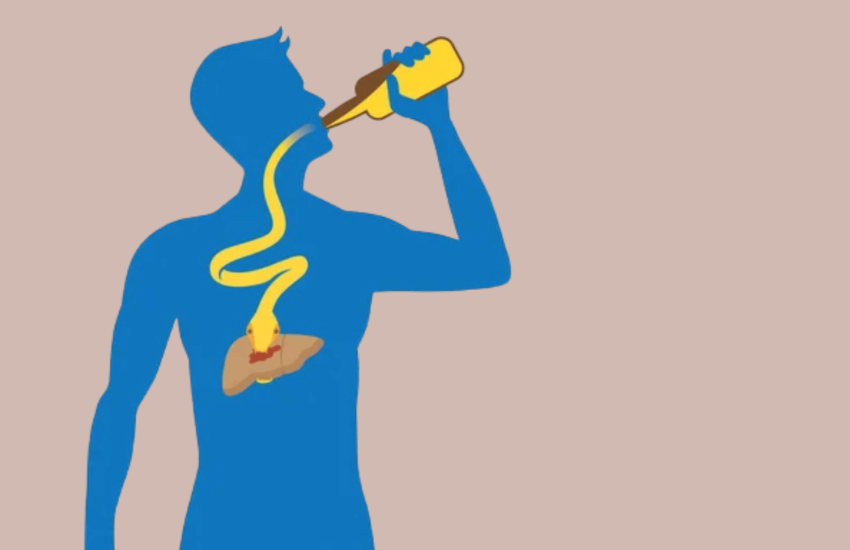
Smoking and excessive alcohol are major cancer risk factors. Reducing or quitting them helps prevent several types of cancer.
4. Protect Your Skin
Minimize sun exposure, wear sunscreen, and use protective clothing to reduce the risk of skin cancer.
5. Get Vaccinated
Vaccines like HPV (prevents cervical and other cancers) and hepatitis B (reduces liver cancer risk) help prevent virus-related cancers.
Detecting and Managing Symptoms Early
- Regular Health Screenings: Mammograms, colonoscopies, and skin checks can detect cancer early.
- Know Your Body: Pay attention to subtle changes.
- Manage Stress: Chronic stress weakens immunity; use meditation, yoga, and breathing exercises.
- Seek Support: Consult your doctor for any suspicious symptoms and consider emotional support through counseling or support groups.
Conclusion
Early detection saves lives. By staying aware of often-ignored cancer symptoms and adopting a healthy lifestyle, you can significantly reduce your risk. Listen to your body and seek medical advice if something feels wrong. Prevention, awareness, and timely action are your best defenses against cancer.