This Popular Drink Could Be Harming Your Liver – Do You Still Drink It?
Introduction
Imagine sitting down after a long day, reaching for a cold glass of your favorite drink—whether it’s soda, alcohol, or an energy drink—and taking that refreshing sip. Most of us rarely stop to think about how that drink might be affecting our liver, the organ quietly working 24/7 to detoxify our body, regulate metabolism, and keep us alive.
But here’s the shocking truth: some of the world’s most popular drinks can slowly destroy your liver over time. The damage often starts silently, without obvious symptoms, until it’s too late. That’s why understanding how these beverages affect your health is crucial for prevention and long-term wellness.
In this article, we’ll dive deep into what makes certain drinks harmful to your liver, the signs of damage you should watch for, and practical tips to protect yourself—without giving up all of life’s pleasures.
What Is This “Popular Drink” That Could Harm Your Liver?
The “popular drink” in question isn’t just one specific beverage. In fact, there are a few categories of drinks that are widely consumed yet linked to liver damage:
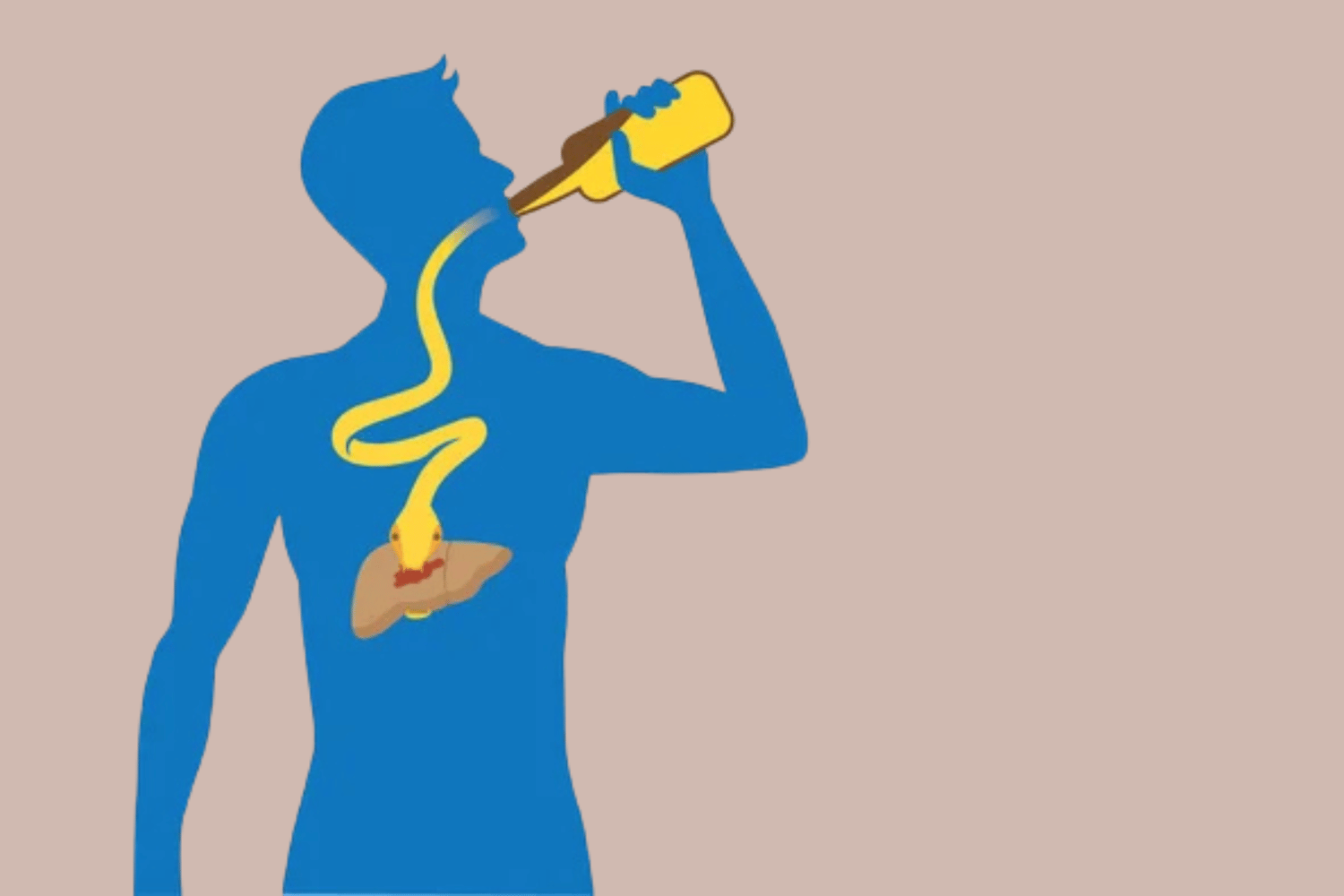
- Alcohol – Still the leading cause of liver disease worldwide. Chronic drinking leads to fatty liver, hepatitis, fibrosis, and cirrhosis.
- Sugary Beverages (Sodas & Sweetened Juices) – High-fructose corn syrup and added sugars increase fat buildup in the liver, leading to non-alcoholic fatty liver disease (NAFLD).
- Energy Drinks – Packed with caffeine, sugar, and herbal stimulants, which can overload the liver.
- Excessive Herbal or “Detox” Drinks – Even natural doesn’t always mean safe. Some herbs (like kava, green tea extract in high doses) are hepatotoxic.
In short: the drinks we love the most—alcohol, sodas, and energy drinks—are among the biggest threats to our liver health.
Causes & Risk Factors
Why do these drinks harm the liver? Here are the main reasons:
- Alcohol Overload: The liver must metabolize alcohol, producing toxic by-products that cause inflammation and scarring.
- Excess Sugar: Fructose is metabolized in the liver, and overconsumption leads to fat accumulation and insulin resistance.
- Artificial Additives: Preservatives, coloring agents, and high caffeine levels stress the liver.
- Genetic Predisposition: Some people are more sensitive to alcohol or sugar-related liver damage.
- Lifestyle Habits: Sedentary lifestyle, obesity, and poor diet amplify the harmful effects of these drinks.
Risk increases significantly if you:
- Drink alcohol regularly (more than 1–2 drinks per day).
- Consume soda or sweetened drinks daily.
- Combine alcohol with energy drinks (a dangerous but common practice).
- Already have conditions like obesity, diabetes, or high cholesterol.
Symptoms & Signs of Liver Damage
The liver is known as a “silent organ” because it doesn’t always show clear symptoms early on. But as damage progresses, you may notice:
- Early Signs:
- Fatigue or constant tiredness
- Mild abdominal discomfort (especially in the upper right side)
- Unexplained weight gain or bloating
- Dark urine or pale stool
- Advanced Signs:
- Yellowing of skin and eyes (jaundice)
- Swelling in legs and abdomen
- Nausea, vomiting, and loss of appetite
- Easy bruising or bleeding
- Mental confusion (sign of severe liver disease)
If you notice these symptoms, it’s important to consult a doctor immediately.
Prevention & Healthy Habits
The good news is that liver damage can often be prevented—or even reversed in its early stages—by making smart lifestyle choices.
Practical Tips:
- Limit Alcohol Intake: Stick to recommended guidelines (no more than 1 drink per day for women, 2 for men).
- Cut Down on Sugary Drinks: Replace sodas with water, sparkling water, or herbal teas.
- Stay Hydrated: Drinking enough water helps the liver flush out toxins.
- Eat a Liver-Friendly Diet: Focus on fruits, vegetables, whole grains, and lean protein. Limit fried and processed foods.
- Exercise Regularly: Physical activity reduces fat buildup in the liver.
- Read Labels: Watch for hidden sugars and additives in packaged drinks.
- Detox Naturally: Instead of buying “detox drinks,” support your liver with healthy habits.
Treatment Options
If liver damage has already started, treatment depends on the cause and severity.
- Medical Approaches:
- Medications for hepatitis or liver-related conditions
- Lifestyle intervention for NAFLD
- Abstinence from alcohol for alcoholic liver disease
- In severe cases: liver transplant
- Natural & Supportive Approaches:
- Milk Thistle (Silymarin): Some evidence supports its liver-protective properties.
- Coffee (in moderation): Surprisingly, coffee (not loaded with sugar) is linked to lower risk of liver disease.
- Antioxidant-rich foods: Berries, green leafy vegetables, nuts, and olive oil.
⚠️ Always consult a healthcare professional before starting supplements or drastic diet changes.
When to See a Doctor
You should seek medical advice if you:
- Notice persistent fatigue or unexplained weakness.
- Experience abdominal pain or swelling.
- Have yellow skin or eyes.
- Drink alcohol regularly and worry about your health.
- Have risk factors like diabetes, obesity, or high cholesterol.
Early diagnosis through simple blood tests (like liver function tests) can prevent severe complications.
Conclusion
Your liver is one of the hardest-working organs in your body—and it deserves protection. While enjoying an occasional soda or glass of wine won’t destroy your liver, daily consumption of alcohol, sugary drinks, or energy drinks can silently cause irreversible damage.
The choice is in your hands: swap harmful drinks for healthier options, adopt protective habits, and listen to your body. Small changes today can mean a healthier, longer life tomorrow.