
8 Warning Signs Your Body Is Asking for Help
Introduction
Have you ever brushed off constant fatigue, ignored that nagging headache, or blamed your stomach issues on stress? You’re not alone. In today’s fast-paced world, many people dismiss their body’s warning signals—only to realize later that these symptoms were their body’s way of saying, “I need help.”
Listening to your body is one of the most powerful things you can do for your health. Subtle changes in your energy, mood, skin, digestion, or sleep patterns may be early indicators of underlying problems. By paying attention and taking action, you can prevent minor issues from turning into serious health concerns.
In this article, we’ll break down 8 warning signs your body is asking for help, why they happen, what you can do about them, and when it’s time to see a doctor.
What Does It Mean When Your Body Sends Warning Signs?
Your body is an incredible self-regulating system designed to keep you healthy. But when something isn’t right—whether due to stress, poor diet, lack of sleep, or an underlying medical condition—it sends out distress signals. These may appear as physical symptoms (like fatigue or pain), emotional changes (such as irritability), or visible signs (skin changes, hair loss, weight fluctuations).
Think of these symptoms as red flags. Ignoring them may allow problems to worsen, but addressing them early often leads to faster recovery and better long-term health.
Causes and Risk Factors
There are many reasons why your body may start showing signs that it needs help. Some of the most common include:
- Poor diet and nutrient deficiencies – Lack of vitamins, minerals, or protein can affect energy, mood, and immunity.
- Chronic stress – Long-term stress disrupts hormones, digestion, and sleep.
- Lack of sleep – Insufficient rest weakens immunity, causes fatigue, and affects mental health.
- Sedentary lifestyle – Little or no physical activity can lead to weight gain, cardiovascular problems, and muscle weakness.
- Medical conditions – Diabetes, thyroid disorders, autoimmune diseases, or infections can manifest as early warning signs.
- Dehydration – Not drinking enough water affects skin, digestion, kidney function, and energy levels.
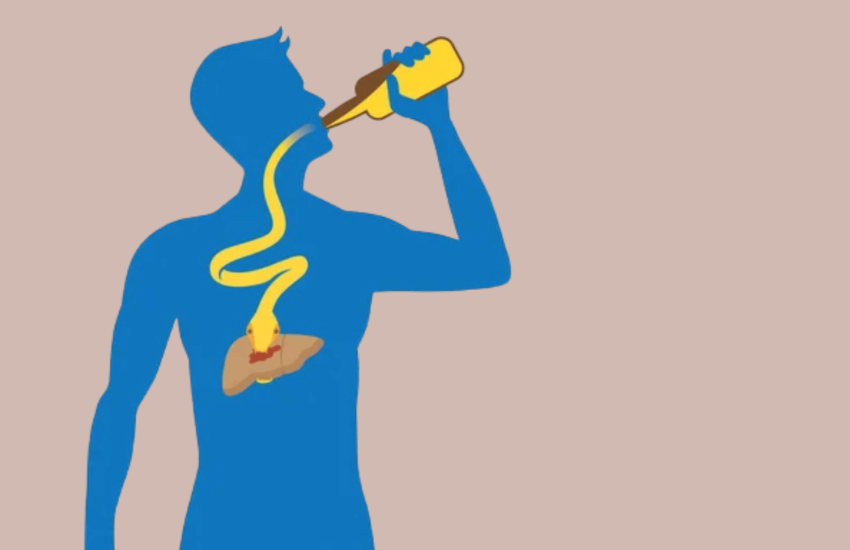
- Unhealthy habits – Smoking, alcohol abuse, or excessive caffeine intake can take a toll on the body.
8 Warning Signs Your Body Is Asking for Help
Here are the top red flags you should never ignore:
1. Persistent Fatigue
If you feel drained even after sleeping well, your body may be struggling with nutrient deficiencies, thyroid issues, or chronic stress.
- Possible causes: anemia, poor sleep quality, low B vitamins, or chronic fatigue syndrome.
- Tip: Track your sleep, manage stress, and get blood tests if fatigue continues.
2. Frequent Headaches
Occasional headaches are normal, but recurring ones could indicate dehydration, vision problems, stress, or even high blood pressure.
- Tip: Stay hydrated, manage screen time, and consult a doctor if headaches persist.
3. Digestive Issues
Bloating, constipation, or diarrhea are signs your digestive system is unhappy. These may stem from poor diet, food intolerances, or conditions like irritable bowel syndrome (IBS).
- Tip: Increase fiber intake, stay hydrated, and keep a food diary to identify triggers.
4. Sudden Weight Changes
Unexplained weight gain or loss may indicate hormonal imbalances, thyroid problems, or metabolic disorders.
- Tip: Regular check-ups can help rule out serious causes.
5. Changes in Skin, Hair, or Nails
Dry skin, hair loss, brittle nails, or acne can be linked to nutritional deficiencies, dehydration, or underlying health conditions.
- Tip: Eat a balanced diet rich in vitamins A, C, D, E, zinc, and omega-3s.
6. Shortness of Breath
Struggling to breathe during light activity may be a sign of anemia, heart problems, or lung issues.
- Tip: Don’t ignore this symptom—consult a doctor immediately if shortness of breath is frequent.
7. Constant Thirst or Frequent Urination
These could be early signs of diabetes or kidney problems.
- Tip: Track your water intake, avoid excessive caffeine, and get tested if symptoms persist.
8. Mood Swings or Brain Fog
Feeling unusually irritable, anxious, or forgetful? Mental health is directly connected to physical health. Hormonal imbalances, vitamin deficiencies, and chronic stress can affect mood and cognition.
- Tip: Prioritize rest, manage stress, and seek professional help if symptoms worsen.
Prevention & Healthy Habits
The best way to avoid health problems is through prevention. Here are practical lifestyle tips:
- Eat a nutrient-rich diet with whole foods, fruits, vegetables, lean proteins, and healthy fats.
- Stay active—aim for at least 30 minutes of exercise most days.
- Get 7–9 hours of quality sleep.
- Stay hydrated by drinking enough water daily.
- Limit processed foods, sugar, alcohol, and caffeine.
- Practice stress-reducing activities (meditation, yoga, journaling).
- Schedule regular medical check-ups.
Treatment Options
Depending on the cause, treatment may include:
- Medical care – Blood tests, medications, or treatment plans from your doctor.
- Nutritional support – Supplements or dietary changes to correct deficiencies.
- Therapies – Physical therapy, counseling, or stress management programs.
- Natural remedies – Herbal teas (chamomile for sleep, peppermint for digestion), hydration, or relaxation techniques.
When to See a Doctor
Seek medical attention if:
- Symptoms persist for more than 2–3 weeks.
- You experience sudden or severe changes (chest pain, difficulty breathing, extreme fatigue).
- Weight changes or mood swings are unexplained.
- Digestive issues interfere with daily life.
Conclusion
Your body is always communicating with you—it’s just a matter of whether you’re listening. By recognizing these 8 warning signs, adopting healthy habits, and seeking medical advice when necessary, you can protect your health and improve your quality of life.
Remember: it’s better to check early and find nothing serious than to ignore a sign and risk bigger problems later.