Early Warning Signs of High Blood Sugar: What You Need to Know
Introduction
Have you ever felt unusually thirsty, tired for no reason, or noticed that you’re running to the bathroom more often than usual? These could be more than just everyday inconveniences — they might be early warning signs that your blood sugar is higher than it should be.
High blood sugar (also known as hyperglycemia) affects millions of people worldwide, especially those with diabetes. But here’s the thing: you don’t have to be diagnosed with diabetes to experience high blood sugar. Stress, poor diet, lack of exercise, or even illness can push your blood sugar levels above normal.
Understanding the early warning signs of high blood sugar is crucial. If caught early, you can take steps to prevent long-term damage to your heart, kidneys, eyes, and overall health. In this article, we’ll break it all down in simple terms — the causes, symptoms, prevention tips, treatment options, and when to see a doctor.
What is High Blood Sugar?
High blood sugar (hyperglycemia) happens when there is too much glucose in the bloodstream and not enough insulin to help move it into the cells for energy.
- Normal fasting blood sugar levels: 70–100 mg/dL (3.9–5.5 mmol/L)
- Prediabetes range: 100–125 mg/dL (5.6–6.9 mmol/L)
- Diabetes diagnosis: 126 mg/dL (7 mmol/L) or higher
Blood sugar can temporarily spike after eating, but consistently high levels are a red flag. If left unmanaged, it can lead to type 2 diabetes, heart disease, nerve damage, kidney disease, and vision loss.
Causes and Risk Factors of High Blood Sugar
Several factors can trigger hyperglycemia. Some are temporary, while others are linked to chronic health conditions:
- Unhealthy diet – Eating too many refined carbs, sugary foods, or processed snacks.
- Sedentary lifestyle – Lack of physical activity prevents your body from using insulin effectively.
- Insulin resistance – Common in prediabetes and type 2 diabetes.
- Stress – Raises cortisol, which increases blood sugar.
- Medications – Certain steroids or diuretics can spike glucose.
- Illness or infection – Your body releases stress hormones that increase blood sugar.
- Obesity – Excess weight makes it harder for insulin to work properly.
- Family history – Genetics can play a role.
- Hormonal changes – Pregnancy (gestational diabetes) or conditions like PCOS.
Early Warning Signs & Symptoms of High Blood Sugar
Recognizing the early symptoms can help you act quickly before things get worse.
Common early warning signs include:
- Frequent urination (polyuria) – Your kidneys try to flush out excess sugar.
- Increased thirst (polydipsia) – The more you urinate, the more dehydrated you become.
- Unexplained fatigue – Cells aren’t getting the energy they need.
- Blurred vision – High sugar causes swelling in the lens of the eye.
- Headaches – Resulting from dehydration and fluctuating blood sugar.
- Slow-healing wounds or frequent infections – High sugar weakens immune response.
- Unexplained weight loss – When the body starts breaking down fat and muscle for energy.
- Dry mouth or skin – Caused by dehydration.
- Numbness or tingling in hands/feet – A sign of nerve irritation.
⚠️ Important note: Some people may not notice symptoms until their blood sugar is dangerously high. That’s why routine screening is so important, especially if you have risk factors.
Prevention & Healthy Habits
The good news is that lifestyle changes can make a big difference in keeping blood sugar under control.
1. Eat a Balanced Diet
- Focus on whole foods: vegetables, lean proteins, whole grains, legumes, nuts, and seeds.
- Limit processed foods, sugary drinks, and refined carbs.
- Practice portion control to avoid spikes.
2. Stay Active
- Aim for at least 30 minutes of exercise most days.
- Walking, cycling, swimming, or strength training all improve insulin sensitivity.
3. Manage Stress
- Practice deep breathing, meditation, or yoga.
- Chronic stress directly raises blood sugar through cortisol.
4. Stay Hydrated
- Water helps flush excess glucose out of your bloodstream.
5. Get Enough Sleep
- Poor sleep can increase insulin resistance.
- Aim for 7–9 hours of quality rest.
Treatment Options
If lifestyle changes aren’t enough, medical treatment may be needed.
Medical Approaches
- Oral medications – Such as metformin, which improves insulin sensitivity.
- Insulin therapy – For people with type 1 diabetes or advanced type 2.
- Other drugs – GLP-1 receptor agonists, SGLT2 inhibitors, etc.
Natural & Supportive Approaches
- Cinnamon, fenugreek, or bitter melon – Some studies suggest mild benefits, but they should never replace prescribed treatment.
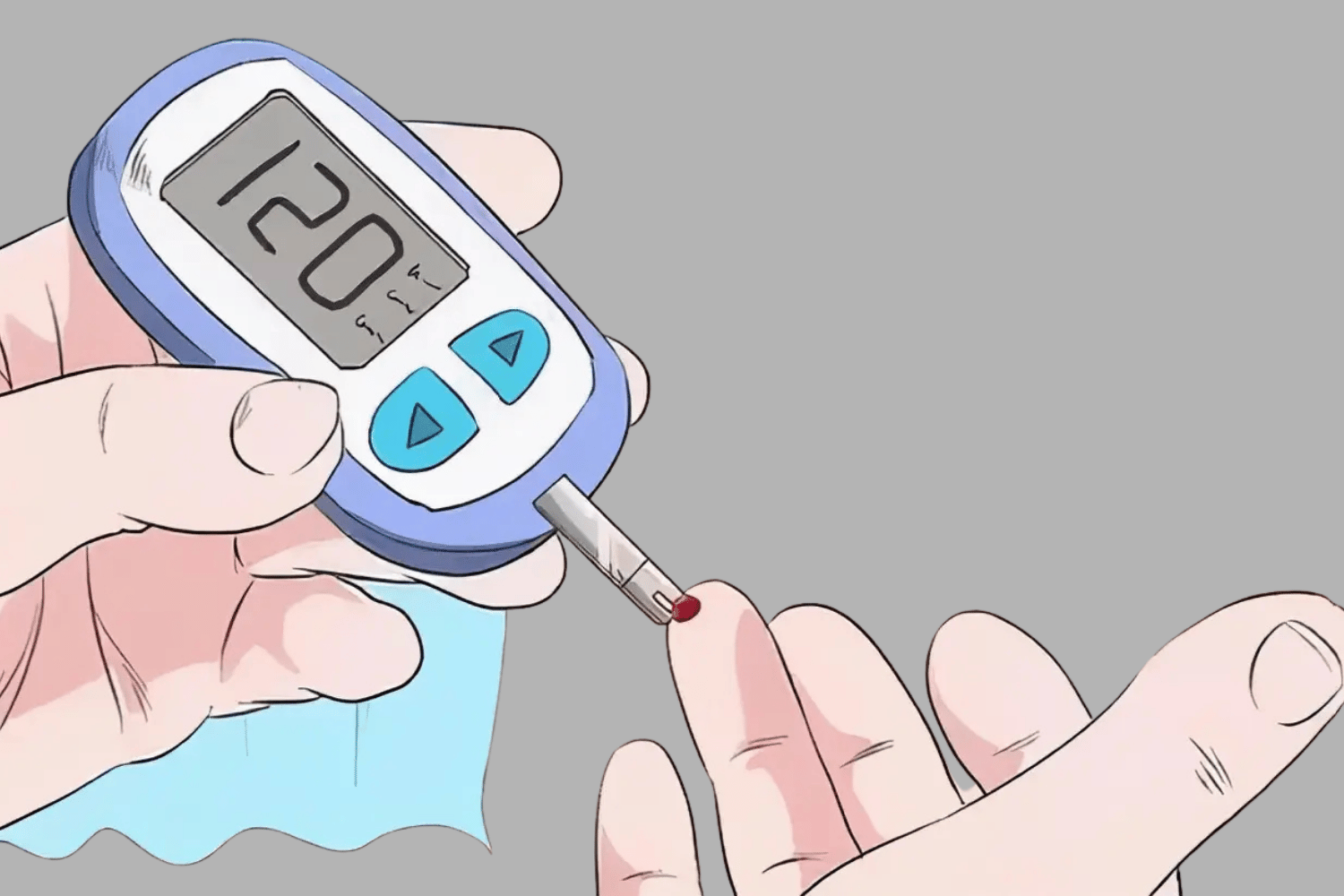
- Regular monitoring – Using a home glucose meter helps track progress.
- Weight management – Even a 5–10% reduction can significantly improve blood sugar.
When to See a Doctor
You should seek medical advice if you experience:
- Persistent high blood sugar readings (above 180 mg/dL or 10 mmol/L).
- Unexplained weight loss.
- Frequent infections or wounds that don’t heal.
- Severe symptoms such as vomiting, confusion, or fruity-smelling breath (possible diabetic ketoacidosis — a medical emergency).
Tip: Even if your symptoms are mild, don’t ignore them. Early intervention can prevent long-term complications.
Conclusion
High blood sugar doesn’t develop overnight, and the body often gives us warning signs before serious damage occurs. By learning to recognize the symptoms — and acting quickly through healthy lifestyle changes, medical support, and regular monitoring — you can take control of your health and prevent diabetes-related complications.
Remember: small, consistent steps like eating better, staying active, and getting regular check-ups can make a huge difference. Your future self will thank you.