6 Warning Signs Your Arteries Might Be Blocked
Introduction
Imagine driving your car with clogged fuel lines — the engine struggles, warning lights flash, and performance drops. Your body works in a similar way. When arteries become blocked with plaque buildup, blood flow slows or stops, putting your heart and other organs at serious risk. Unfortunately, many people don’t realize their arteries are narrowing until it’s too late.
Blocked arteries, medically known as atherosclerosis, are a leading cause of heart attacks, strokes, and peripheral artery disease worldwide. Recognizing the early signs can make the difference between prevention and a medical emergency. In this article, we’ll walk you through the six key warning signs of blocked arteries, what causes them, how to prevent them, and when it’s time to see a doctor.
What Does “Blocked Arteries” Mean?
Blocked arteries occur when plaque (a sticky mix of fat, cholesterol, calcium, and other substances) builds up along the inner walls of blood vessels. This condition is called atherosclerosis. Over time, the arteries harden and narrow, making it difficult for oxygen-rich blood to reach vital organs like the heart, brain, and legs.
If left untreated, blocked arteries can lead to:
- Heart attack (when blood flow to the heart muscle is cut off).
- Stroke (when blood flow to the brain is interrupted).
- Peripheral artery disease (PAD) (when arteries in the legs or arms narrow).
Causes & Risk Factors of Blocked Arteries
While anyone can develop blocked arteries, some factors make you more vulnerable:
- High cholesterol – Too much LDL (“bad” cholesterol) leads to plaque buildup.
- High blood pressure – Damages artery walls and accelerates blockage.
- Smoking – Harms blood vessels and reduces oxygen supply.
- Diabetes – High blood sugar damages arteries.
- Obesity – Extra weight puts stress on the heart and circulatory system.
- Sedentary lifestyle – Lack of physical activity raises risk.
- Unhealthy diet – Diets high in saturated fats, trans fats, and sugars increase cholesterol.
- Family history – Genetics play a role in heart and vascular disease.
- Age – Risk increases with age, especially after 45 for men and 55 for women.
6 Warning Signs Your Arteries Might Be Blocked
Blocked arteries often develop silently, but your body gives you warning signals. Here are the six most common signs to watch for:
1. Chest Pain or Discomfort (Angina)
- Feels like pressure, tightness, or squeezing in the chest.
- Often triggered by physical activity or stress.
- May radiate to the shoulder, arm, neck, or jaw.
2. Shortness of Breath
- Struggling to catch your breath, especially during activity.
- Caused by reduced oxygen supply to the heart and lungs.
3. Fatigue and Weakness
- Feeling unusually tired even after light activity.
- The heart isn’t pumping enough oxygen-rich blood.
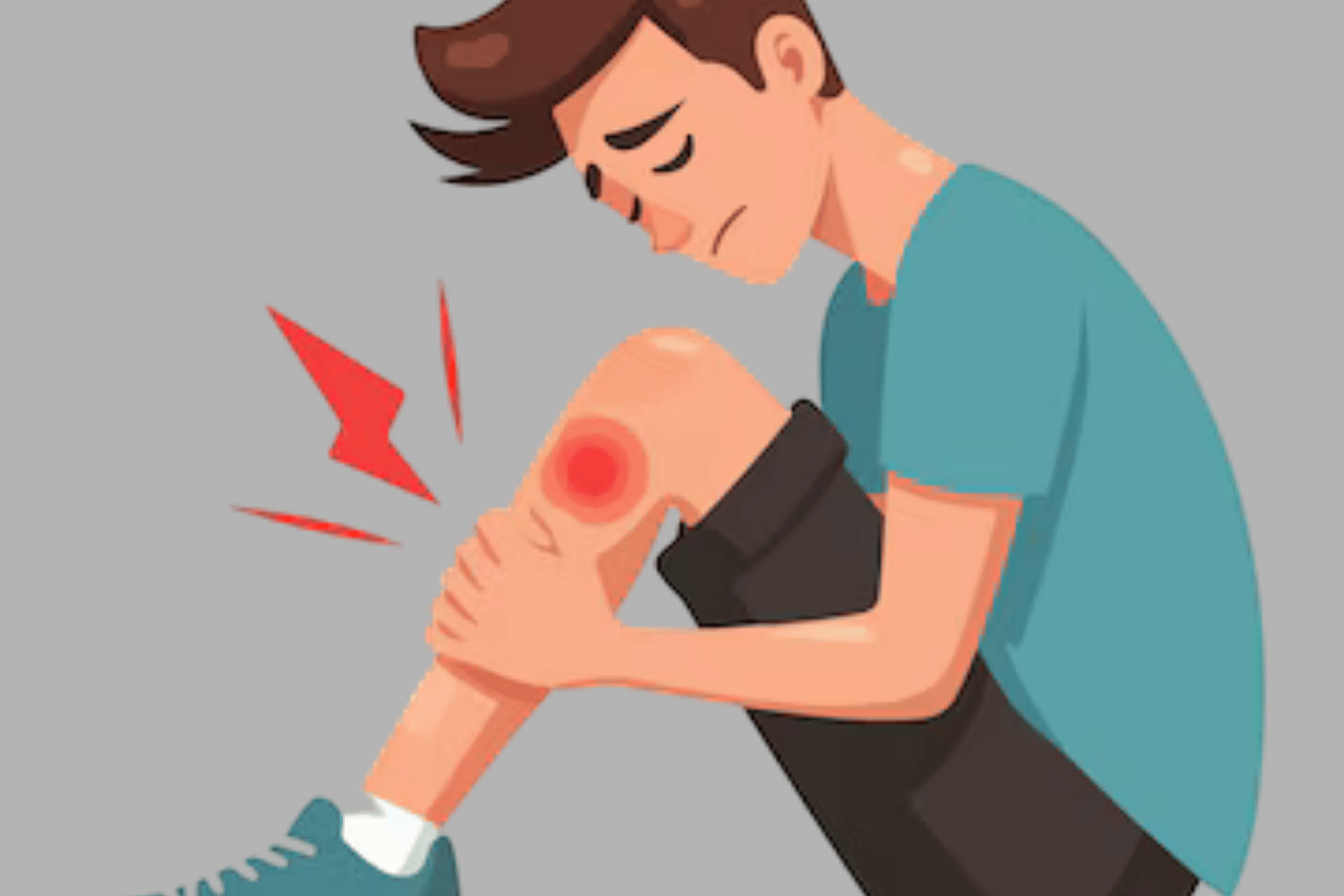
4. Pain in the Legs or Arms (Peripheral Artery Disease)
- Cramping, numbness, or weakness in legs or arms.
- Pain worsens when walking or climbing stairs and eases with rest.
5. Dizziness or Lightheadedness
- Poor blood flow to the brain may cause fainting spells or dizziness.
6. Irregular Heartbeat (Arrhythmia)
- Skipped beats, fluttering, or pounding in the chest.
- Can signal heart strain due to restricted blood flow.
Prevention & Healthy Habits
You can lower your risk of blocked arteries with consistent, heart-healthy habits:
- Eat a balanced diet: Prioritize fruits, vegetables, whole grains, lean proteins, and healthy fats (like olive oil, nuts, and fish).
- Limit unhealthy fats: Avoid trans fats and reduce saturated fats.
- Stay active: Aim for at least 150 minutes of moderate exercise per week (walking, cycling, swimming).
- Maintain a healthy weight: Even a small weight loss reduces heart strain.
- Quit smoking: Within one year of quitting, your heart attack risk drops significantly.
- Control blood pressure and blood sugar: Monitor regularly and follow your doctor’s advice.
- Manage stress: Try meditation, deep breathing, yoga, or relaxation techniques.
Treatment Options
If lifestyle changes aren’t enough, doctors may recommend medical treatment. Options include:
Medical Treatments
- Medications: Statins (lower cholesterol), blood pressure drugs, and antiplatelet therapy (like aspirin).
- Angioplasty: A balloon-like device opens blocked arteries, sometimes with a stent (tiny mesh tube).
- Bypass surgery: Surgeons create a new route for blood to flow around blockages.
Natural & Lifestyle Approaches
- Diet rich in omega-3 fatty acids (salmon, walnuts, chia seeds).
- Regular exercise to improve circulation.
- Stress-reducing practices like mindfulness or tai chi.
- Adequate sleep (7–9 hours per night).
When to See a Doctor
You should seek medical help immediately if you notice:
- Chest pain that doesn’t go away with rest.
- Sudden shortness of breath.
- Unexplained dizziness or fainting.
- Severe pain or numbness in arms or legs.
Early detection saves lives. Regular check-ups, especially if you have risk factors, can catch problems before they become emergencies.
Conclusion
Blocked arteries are a serious health concern — but they don’t have to be a silent killer. By recognizing the six warning signs, adopting a heart-healthy lifestyle, and seeking timely medical care, you can dramatically reduce your risk of life-threatening complications. Remember: your arteries are highways of life — keep them clear, and your body will thank you.