6 Early Warning Signs You Might Be Having a Stroke Soon
Introduction
Imagine waking up one morning, trying to lift your coffee mug, and suddenly your hand feels weak. Or perhaps you’re speaking to a loved one, but your words come out slurred and jumbled. These moments can be frightening—and for good reason. They could be the early warning signs of a stroke.
Stroke is one of the leading causes of disability and death worldwide. According to the World Health Organization, nearly 15 million people suffer a stroke each year, and about one-third of them do not survive. What makes strokes especially dangerous is that they often strike without warning. However, the body frequently gives subtle clues in advance. Recognizing these early signs could save your life—or the life of someone you love.
In this article, we’ll explore the 6 early warning signs you might be having a stroke soon, the underlying causes, risk factors, prevention tips, treatment options, and when to seek immediate medical attention.
What is a Stroke?
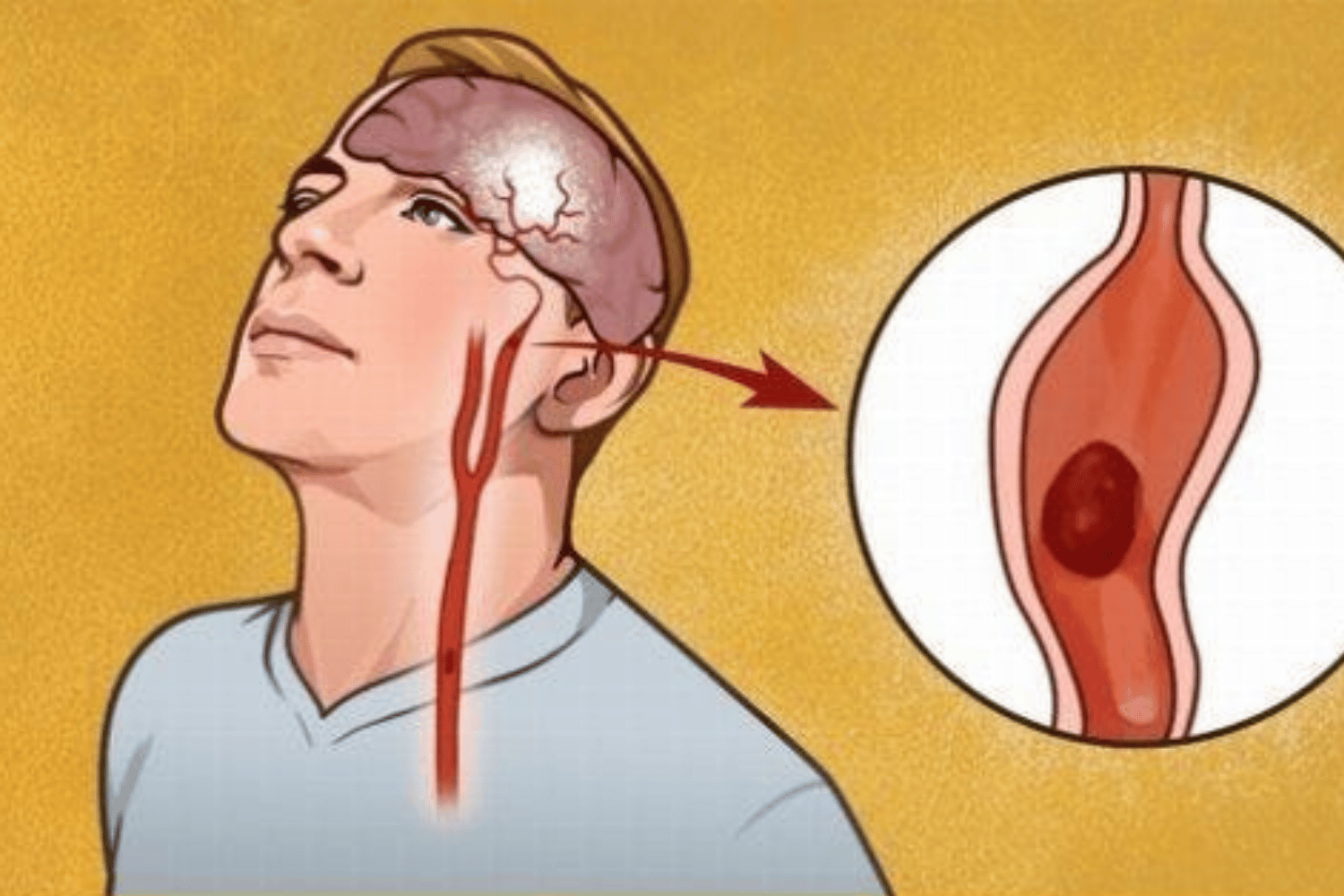
A stroke occurs when the blood supply to part of the brain is interrupted or reduced, preventing brain tissue from getting enough oxygen and nutrients. Brain cells begin to die within minutes, making stroke a medical emergency.
There are two main types of strokes:
- Ischemic stroke (the most common): Caused by a blood clot blocking a brain artery.
- Hemorrhagic stroke: Caused by a ruptured blood vessel bleeding into the brain.
There’s also a transient ischemic attack (TIA), often called a “mini-stroke.” TIAs mimic stroke symptoms but last only a few minutes to hours. Importantly, a TIA is a warning sign of an impending stroke—about 1 in 3 people who experience a TIA will later have a stroke, often within days.
Causes & Risk Factors
Strokes don’t happen randomly. They’re usually the result of underlying health issues and lifestyle factors. The main causes and risk factors include:
- High blood pressure (hypertension): The #1 risk factor for stroke.
- High cholesterol: Can lead to plaque buildup in arteries (atherosclerosis).
- Diabetes: Damages blood vessels and increases clot risk.
- Heart disease & atrial fibrillation: Irregular heartbeat can cause clots to travel to the brain.
- Obesity & sedentary lifestyle: Increase risk through multiple mechanisms.
- Smoking: Damages blood vessels and raises clot risk.
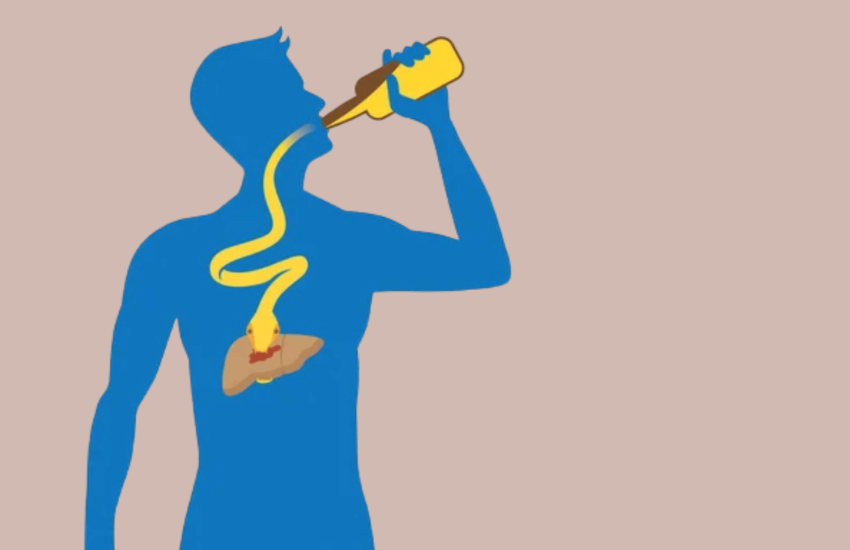
- Excessive alcohol consumption: Can raise blood pressure.
- Family history & age: Genetics and being over 55 increase risk.
6 Early Warning Signs You Might Be Having a Stroke Soon
Here are the six red-flag symptoms that should never be ignored:
1. Sudden Numbness or Weakness
- Often affects the face, arm, or leg, especially on one side of the body.
- Example: You try to smile, but one side of your face droops.
2. Trouble Speaking or Understanding Speech
- Slurred or incoherent speech.
- Difficulty understanding simple sentences.
- Example: Saying “apple” when you mean “orange.”
3. Sudden Vision Problems
- Blurred or blackened vision in one or both eyes.
- Double vision.
- Example: Seeing two overlapping images when looking at a clock.
4. Dizziness, Loss of Balance, or Coordination
- Trouble walking straight.
- Feeling suddenly lightheaded.
- Example: You feel like the room is spinning or you stumble while standing still.
5. Severe Headache with No Known Cause
- A sudden, intense headache—different from typical migraines.
- Often described as “the worst headache of my life.”
6. Confusion or Trouble Thinking Clearly
- Difficulty understanding what’s happening around you.
- Forgetting familiar names or places suddenly.
Tip: An easy way to remember the signs is the acronym FAST:
- Face drooping
- Arm weakness
- Speech difficulty
- Time to call emergency services immediately
Prevention & Healthy Habits
The good news: up to 80% of strokes are preventable with lifestyle changes and medical management. Here’s how you can lower your risk:
- Manage blood pressure: Regular checkups, reduce salt intake, take prescribed medication.
- Eat a heart-healthy diet: More fruits, vegetables, whole grains, lean proteins; less processed food.
- Exercise regularly: At least 30 minutes of moderate activity, 5 times a week.
- Maintain a healthy weight: Reduce belly fat, which is linked to stroke risk.
- Quit smoking: Within 2 years of quitting, stroke risk significantly decreases.
- Limit alcohol: No more than 1 drink/day for women, 2 for men.
- Control chronic conditions: Monitor and manage diabetes, cholesterol, and heart disease.
Treatment Options
If a stroke occurs, immediate treatment is crucial to prevent permanent brain damage.
- For ischemic stroke:
- Clot-busting medications (tPA): Must be given within 3–4.5 hours.
- Mechanical thrombectomy: Surgical removal of clots from large arteries.
- For hemorrhagic stroke:
- Controlling bleeding and reducing pressure in the brain.
- Surgery may be required.
- Rehabilitation after stroke:
- Physical therapy, speech therapy, and occupational therapy help regain lost skills.
- Psychological support is often needed to cope with emotional impact.
When to See a Doctor
- Immediately: If you notice any of the FAST symptoms (face droop, arm weakness, slurred speech).
- Urgently: After a TIA (mini-stroke)—don’t ignore it; it’s a warning sign.
- Regularly: If you have risk factors like high blood pressure, diabetes, or a family history of stroke.
Never wait to “see if symptoms improve.” Every second counts.
Conclusion
Strokes can change lives in an instant—but they don’t have to catch you by surprise. By recognizing the 6 early warning signs, managing your health, and acting quickly, you can reduce your risk and even save your life. Remember: time lost is brain lost.
Stay proactive, take care of your body, and encourage loved ones to learn the warning signs too. Awareness is the first step toward prevention.