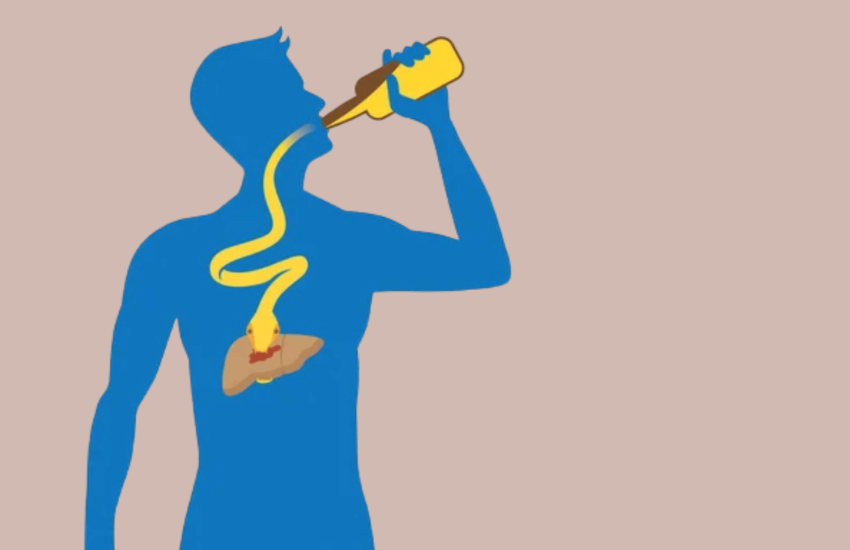

7 Warning Signs Your Kidneys May Be in Trouble
Introduction
Have you ever thought about how much your kidneys do for you every day? These two bean-shaped organs may be small, but they play a massive role in keeping your body balanced. They filter waste, regulate blood pressure, maintain fluid levels, and even help keep your bones strong. Because their job is so vital, kidney problems can quickly affect your overall health.
Unfortunately, kidney disease often develops silently. Many people don’t realize their kidneys are in danger until the condition has advanced. That’s why knowing the early warning signs is crucial. Catching kidney issues early could help prevent serious complications — and even save your life.
In this article, we’ll cover the 7 warning signs your kidneys may be in trouble, explain the causes and risk factors, and share tips on prevention, treatment, and when to seek medical help.
What Are the 7 Warning Signs of Kidney Trouble?
Kidney trouble refers to any condition where the kidneys are not functioning properly, such as chronic kidney disease (CKD), kidney infections, kidney stones, or acute kidney injury.
When kidneys are damaged, they cannot filter toxins and waste products effectively. This leads to a buildup of harmful substances in the body, which can trigger a variety of noticeable symptoms. While not every symptom automatically means kidney disease, being aware of them can help you take action sooner.
Causes and Risk Factors of Kidney Problems
Several factors increase the risk of kidney damage. Understanding them helps explain why some people are more vulnerable than others.
Common Causes
- High blood pressure (hypertension): Damages the blood vessels in the kidneys.
- Diabetes: High blood sugar levels harm the kidney’s filtering system.
- Urinary tract infections (UTIs): Repeated or untreated infections can spread to the kidneys.
- Kidney stones: Block urine flow and increase pressure on the kidneys.
- Autoimmune diseases: Conditions like lupus can attack kidney tissue.
- Certain medications: Long-term use of painkillers or antibiotics can strain the kidneys.
Risk Factors
- Family history of kidney disease
- Obesity
- Smoking
- Aging (risk increases after age 60)
- Poor hydration and diet high in processed foods or salt
7 Warning Signs Your Kidneys May Be in Trouble
Here are the main symptoms and red flags to watch for:
- Changes in Urination
- Urinating more or less than usual
- Foamy or bubbly urine (indicating protein leakage)
- Blood in urine (pink, red, or cola-colored)
- Pain or burning sensation while urinating
- Swelling in Hands, Feet, or Ankles
When kidneys can’t remove excess fluid, it collects in tissues, causing puffiness (edema). - Constant Fatigue and Weakness
Damaged kidneys lead to toxin buildup and decreased red blood cell production, which can cause anemia and tiredness. - Skin Problems (Itching or Dryness)
Waste buildup in the blood causes persistent itching and dry skin. - Back or Side Pain
Pain below the rib cage or in the lower back may indicate kidney stones, infection, or inflammation. - Nausea, Vomiting, and Loss of Appetite
Accumulated waste products can upset digestion and reduce appetite. - High Blood Pressure or Shortness of Breath
Kidneys regulate blood pressure and fluid balance. Damage can lead to hypertension, chest tightness, or breathing difficulties.
Prevention and Healthy Habits
Protecting your kidneys is often about adopting a healthier lifestyle. Here are practical tips:
- Stay hydrated: Drink enough water daily (unless advised otherwise by your doctor).
- Eat a kidney-friendly diet: Limit processed foods, added salt, and excessive protein. Focus on fruits, vegetables, whole grains, and lean proteins.
- Manage blood sugar and blood pressure: Regular monitoring is crucial if you have diabetes or hypertension.
- Avoid overusing painkillers: Ibuprofen and similar drugs can harm kidneys if taken long-term.
- Exercise regularly: Helps control weight, blood pressure, and overall kidney health.
- Quit smoking and limit alcohol: Both negatively impact kidney function.
Treatment Options
Treatment depends on the cause and severity of kidney issues.
Medical Treatments
- Medication: To control blood pressure, blood sugar, or reduce protein in urine.
- Dialysis: Artificially removes waste when kidneys can’t keep up.
- Surgery: For kidney stones, blockages, or structural issues.
- Kidney transplant: For end-stage kidney failure.
Natural / Supportive Approaches
- Eating antioxidant-rich foods (berries, leafy greens).
- Maintaining a balanced lifestyle with stress management.
- Herbal remedies (such as nettle tea or cranberry) — only under professional guidance.
When to See a Doctor
You should seek medical attention if you experience:
- Persistent swelling, fatigue, or changes in urination
- Blood in urine or foamy urine
- Severe or recurring back pain
- Unexplained high blood pressure
- Recurrent urinary tract infections
Early detection can prevent permanent kidney damage, so don’t ignore the signs.
Conclusion
Your kidneys are silent workers, but when they’re in danger, your body sends signals. Changes in urination, swelling, fatigue, skin issues, back pain, digestive problems, and blood pressure changes are all red flags worth taking seriously.
By adopting healthier habits, monitoring your risk factors, and seeking medical advice promptly, you can protect your kidneys and maintain long-term health.
Remember: prevention is always easier than treatment. Listen to your body — your kidneys will thank you.